The Uberisation Of The C-Suite
Fractional leadership is the professional world’s version of the access economy.

For most of history, ownership has been the default way that people consume. We have been taught to value possessions, whether that means a shelf of vinyl records or a car parked in the driveway. In recent decades, this idea of ownership has been challenged by access.
Streaming services have replaced physical media, and ride-hailing has disrupted the traditional car market. Across many industries, people now see access as a serious alternative to possession.
This change is no longer limited to consumer choices. More and more businesses are applying the same principle to how they manage leadership. Instead of employing a full-time executive team, companies are turning to what is known as fractional leadership. This model allows them to bring in C-suite expertise for only a few days a month or a couple of days a week without having to hire a full-time leader.
Fractional leadership is the professional world’s version of the access economy. Just as Uber transformed the way people think about transportation, this approach has the potential to transform how organisations think about leadership.
What Uber Teaches Us
When Uber launched in California in 2009, it reshaped the taxi industry. By using technology to connect riders with nearby drivers, Uber created a new system that did not rely on owning vehicles or operating a fleet. Today, it operates in thousands of cities and towns around the world.
Drivers choose whether to treat Uber as a side hustle or as a full-time role. Those who use it for flexibility enjoy being able to set their own schedules, while others who rely on it full-time often wish for more stability and benefits. The central idea is that Uber does not employ drivers or own cars. Instead, it simply creates the connection between supply and demand.
Fractional leadership mirrors this principle in one way. Companies can access executive services without putting leaders on the payroll. But that is where the similarities largely stop.
Accessing Leadership in a New Way
Unlike Uber drivers, fractional executives sit at the opposite end of the gig economy. They are highly skilled professionals who choose self-employment rather than being forced into it. They have the freedom to select the clients they want to work with, the number of days they want to commit, and the industries they want to focus on.
For businesses, this creates access to world-class talent without the heavy cost of full-time employment. A fractional chief marketing officer, for example, might spend two days a week building brand strategy for one client, one day leading digital transformation for another, and still have time for other projects.
For executives, the portfolio approach spreads risk. Losing a single client does not mean losing an entire career. Instead of relying on job security from one employer, they achieve income security by diversifying their work.
While Uber drivers rarely see the same customer twice, fractional leaders usually build deep relationships. They deliver premium services and often stay engaged with clients for the long term. They may not hold a full-time contract, but they are still invested in the success of the organisations they serve.
Freedom, Flexibility and Risk
Both Uber drivers and fractional executives face a simple truth. If they are not working, they are not earning. The difference lies in how they view that reality. Many drivers see it as a vulnerability, while executives often see it as an advantage.
Fractional leaders actively avoid full-time roles because they want to create flexible schedules. They may be balancing board positions, advisory projects, or personal commitments alongside their client work. What unites them is a strong sense of psychological ownership. They may not appear on the payroll, but they still treat their work with the responsibility and care of someone who does.
The Access Economy at Large
The access economy thrives when products and services are cheap, convenient, and reliable enough that the value of ownership begins to fade. Music streaming made it unnecessary to buy CDs. Ride hailing made car ownership less important in urban areas.
Fractional leadership sits within this same movement. Adoption is growing, but the concept is still emerging. The market is far from saturated, and there is huge growth potential.
Some access-based businesses have struggled, often because demand is difficult to generate or because they need significant outside investment to survive. Even so, forecasts suggest that the global sharing economy will grow from 113 billion dollars in 2021 to 600 billion by 2027. The shift is happening, but it will take time for cultural habits around ownership to adjust.
Barriers and Momentum
Like any innovation, fractional leadership faces challenges. Businesses want reassurance around trust, cultural fit, and accountability. Executives moving into this model must redefine what career success means and often need to build new networks.
Yet momentum is clear. The pandemic accelerated flexible working practices and made portfolio careers more common. Many organisations, faced with uncertainty, prefer to avoid the cost and risk of full-time senior hires. At the same time, experienced executives increasingly value autonomy, variety, and control over their time.
What the Future Holds
The Uber-ization of the C-suite does not mean leadership becomes a commodity. It means companies can rethink how they access talent, and executives can rethink how they design their careers. Uber did not eliminate car ownership, but it offered a powerful alternative. In the same way, fractional leadership will not replace the traditional C-suite, but it will become a compelling option alongside it.
This model allows organisations to scale leadership up or down depending on their needs. Small businesses gain access to skills they could never afford full time, while large firms benefit from flexibility during times of transition. Executives, meanwhile, enjoy careers that offer variety, autonomy, and resilience.
As the access economy continues to reshape how people live and work, leadership may come to look less like a corner office and more like a portfolio of meaningful engagements. The emphasis will not be on ownership but on access, and in that shift lies enormous opportunity.
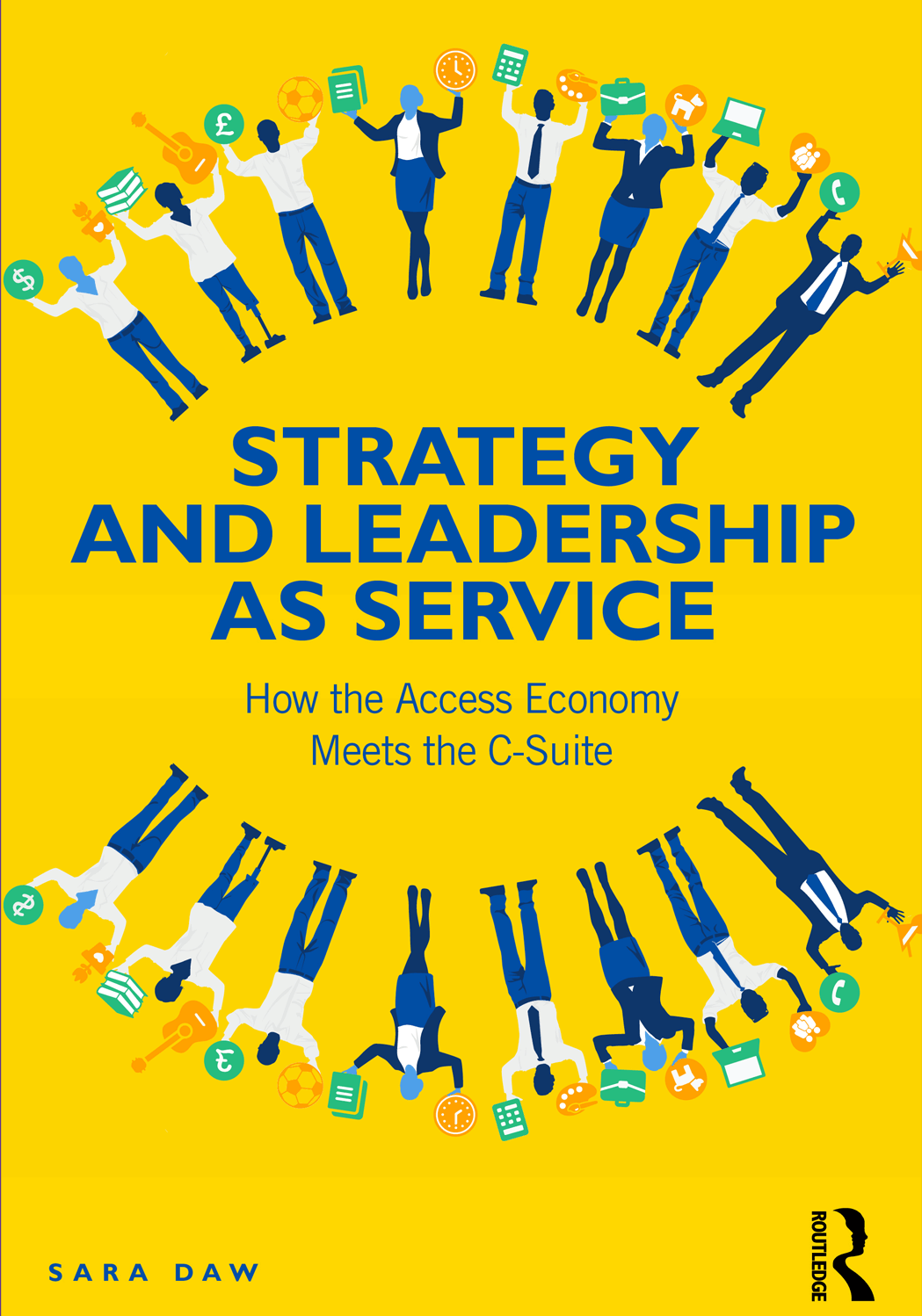
Sara Daw is Group CEO of The CFO Centre and The Liberti Group, and the author of Strategy and Leadership as Service – How the Access Economy Meets the C-Suite, which explores the fractional leadership trend.





 Share article via email
The Uberisation Of The C-Suite
Thanks for signing up to Minutehack alerts.
Brilliant editorials heading your way soon.
Okay, Thanks!