Founders don’t need to run hospitality businesses to learn from hospitality. But they do need to recognise that people are not moved by logic alone.
What Can Founders And Business Owners Learn From The Hospitality Sector To Create A Sustainable Business?
Founders don’t need to run hospitality businesses to learn from hospitality. But they do need to recognise that people are not moved by logic alone.
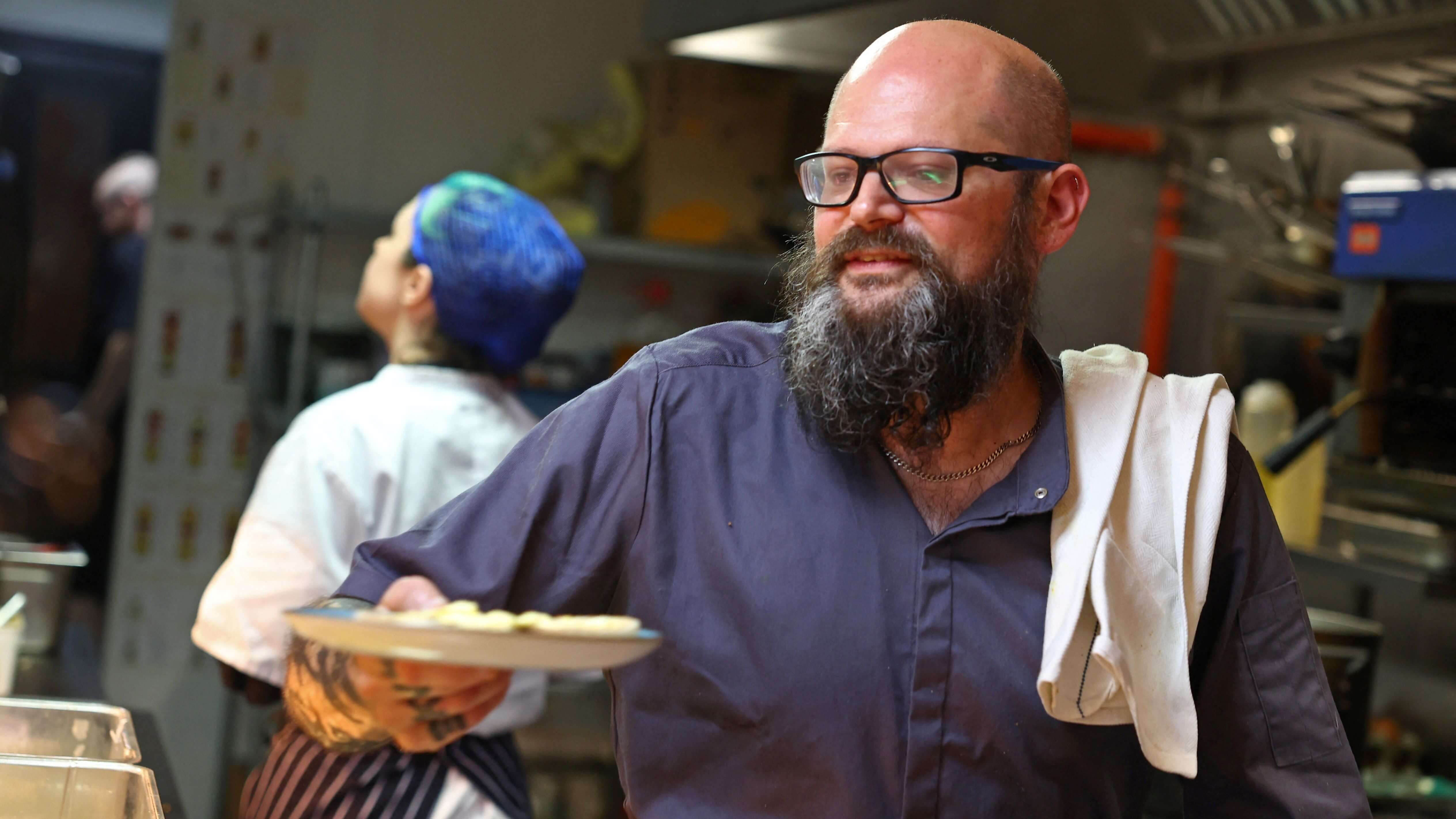
Hospitality is often described as a service industry. In truth, it is an emotional one.
Yes, hospitality businesses rely on systems, training, standards and technology. Those things matter. But they exist to support something far less tangible and far more powerful: how people feel. Long after a transaction is forgotten, the emotional imprint remains. That is why hospitality works when it works, and why it struggles when it forgets what it really is.
From the very beginning, hospitality has existed to bring people together and create spaces where people feel welcome, recognised and safe enough to be themselves. Everything else sits in service of that purpose. This is where hospitality offers an important lesson to founders and business owners in any sector.
People do not choose businesses through logic first. They choose them through feeling. Logic comes later, to justify a decision that has already been made.
In hospitality, the experience is never created by one person alone. It emerges from the environment itself - the space, the light, the sound, the rhythm of the room and the quiet details that give a place its character. It is shaped by the people sharing that space, by the unexpected moments that unfold, and by the subtle sense of ease or tension that guests instinctively absorb. Together, these elements create a canvas on which people live small but meaningful parts of their lives.
This is why the food is rarely the true product. The memory is.
People talk about places because of moments. A conversation that lingered. A feeling of being known. A sense of belonging that stayed with them after they left. Those memories turn into stories, and those stories travel further than any campaign ever could.
Every business creates memories, whether it intends to or not. The real question is whether those memories reflect what the business truly believes in.
This is where storytelling matters. Not as a marketing tactic, but as a human one. Storytelling is how people make sense of experiences. It’s how we communicate meaning, signal values and decide whether we trust something. Word of mouth is storytelling. Strong cultures are stories people live inside. Brands that endure are stories people recognise themselves in.
Trying to persuade people to buy something by explaining, logically, why it is the best rarely works on its own. Logic informs, but it doesn’t inspire. Feeling does. And feeling lives in the story.
In hospitality, storytelling is rarely scripted. It shows up in how a regular is greeted, how a problem is handled, and how much pride a team takes in their work. These moments aren’t designed as stories, but they are remembered as such. Because they are felt, they are shared.
The hospitality businesses that truly stand out don’t try to appeal to everyone. By being clear about who they are for, they’re able to genuinely understand their customers and align the business around them. That clarity turns the business into a beacon. Customers may not always be able to explain it, but they feel it. They feel that they belong. The place becomes theirs.
This is what real loyalty looks like. Not a scheme or a reward, but the quiet feeling that this business is part of your life.
Behind that sense of belonging is a series of deliberate decisions, all aligned with purpose. Decisions rooted in knowing what the business is for, the kind of world it is trying to create, and the standard it chooses to hold itself to. Not in pursuit of generic performance metrics, but in being the best possible version of itself for the customers it serves.
Hospitality is purpose-led by nature. When a business remains aligned with that purpose, decision-making becomes simpler. Not easier, but clearer. Purpose acts as a filter, helping leaders decide what to protect, what to let go of, and where to focus their energy. When decisions consistently relate back to why the business exists, complexity reduces and coherence follows.
This is when businesses stop chasing attention and start becoming places people are drawn to. Not because they are the loudest or the most polished, but because they feel grounded, intentional and real.
The best hospitality businesses often make this look instinctive, but instinct doesn’t mean accidental. What feels natural is usually intentional. Belonging is created through clarity, leadership and a commitment to people, purpose and standards that serve the experience first.
Hospitality shows us that sustainable businesses are not built on tactics alone. Systems, technology and strategy all have their place, but they are not what people remember. What lasts is meaning. What spreads is a story. What builds loyalty is how a business makes people feel.
In an increasingly digital and transactional world, that emotional connection is not a soft edge. It is a competitive one.
Founders don’t need to run hospitality businesses to learn from hospitality. But they do need to recognise that people are not moved by logic alone. They are moved by stories, memories and a sense of belonging.
And the businesses that understand that are the ones people return to, talk about, and quietly believe in.
Cassie Davison is a hospitality leader, business coach, author of Stand Out Hospitality and the founder of Kith & Kin, a movement for independent hospitality operators and their wider community.




 Share article via email
What Can Founders And Business Owners Learn From The Hospitality Sector To Create A Sustainable Business?
Thanks for signing up to Minutehack alerts.
Brilliant editorials heading your way soon.
Okay, Thanks!