
Table of Contents
- Ignoring Small Leaks
- Overusing Chemical Drain Cleaners
- Flushing Inappropriate Items
- Pouring Grease Down the Drain
- Attempting DIY Repairs Without Proper Knowledge
- Neglecting to Winterize Pipes
- Using the Wrong Tools
- Over-Tightening Connections
- Conclusion
Maintaining your home’s plumbing system is essential to avoid costly repairs and ensure your comfort. However, many people unintentionally make simple mistakes that lead to plumbing issues or costly emergencies. By learning how to avoid these errors and when to call a plumber in San Antonio, you can keep your plumbing working reliably for years to come.
From small leaks to improper DIY solutions, understanding these areas of risk can save you money, trouble, and stress. Many common problems start with habits that seem harmless but can develop into severe damage, underscoring the importance of proactive care and preventive maintenance. Prevention is always preferable to cure when it comes to home repairs. With some vigilance and knowledge, you can avoid the most frequent mistakes and help your pipes, fixtures, and appliances last much longer. If an issue seems beyond your skill set, professional assistance is always the safest option. Plumbing issues are among the most disruptive household inconveniences because they affect basic needs such as hygiene, washing, and hot water supply. Even small mistakes can set off a chain reaction, so careful attention is essential at every step.
Ignoring Small Leaks
A steady drip from a faucet, a small trickle from a pipe joint, or moisture around the base of a toilet may seem minor. Yet, even small leaks can waste gallons of water and lead to problems such as mold growth or water damage to cabinetry and flooring. Addressing small leaks immediately prevents further deterioration and can help you catch other developing issues early. The EPA notes that a leaky faucet can waste up to 3,000 gallons of water per year.
Overusing Chemical Drain Cleaners
Chemical drain cleaners are heavily marketed for fast clog removal, but their repeated use can corrode pipes, especially in older plumbing systems. Strong chemicals may offer temporary relief, but eventually weaken or damage pipe materials, creating larger problems later. Mechanical solutions like a plunger or drain snake are safer options for most clogs. For persistent or recurring problems, a professional plumber should assess the underlying issue rather than rely on chemicals.
Flushing Inappropriate Items
Toilets are intended to handle only human waste and toilet paper. Flushing other items, like wipes labeled "flushable," feminine hygiene products, paper towels, dental floss, or cotton swabs, can block sewer lines and damage plumbing. These blockages often go undetected until significant backups occur, leading to costly repairs. Always discard such items in the trash to keep your system clear. For more tips, the Consumer Reports website offers more guidance on what not to flush.
Pouring Grease Down the Drain
Hot grease may flow easily down the kitchen sink, but as it cools, it solidifies and clings to the inside of pipes, gradually causing tough clogs and bad odors. Over time, these obstructions can completely block pipes, requiring costly removal or replacement. The safest approach is to pour cooling grease into a disposable container and place it in the trash after it hardens.
Attempting DIY Repairs Without Proper Knowledge
DIY repairs are appealing for budget-conscious homeowners, but plumbing involves a range of specialized skills and tools. Mistakes such as poorly fitted pipes, inadequate sealing, or incorrectly reassembled components can worsen the original problem or create new issues. When you face unfamiliar plumbing challenges, it’s wise to call in a qualified professional rather than take chances with incorrect fixes.
Neglecting to Winterize Pipes
In colder climates, exposed pipes are vulnerable to freezing and bursting, leading to significant water damage. Proper winterization, such as insulating pipes in unheated areas and allowing a slow drip from a faucet during severe cold, can make all the difference. If you are unsure how to protect your pipes, a local professional can advise on best practices specific to your home’s layout.
Using the Wrong Tools
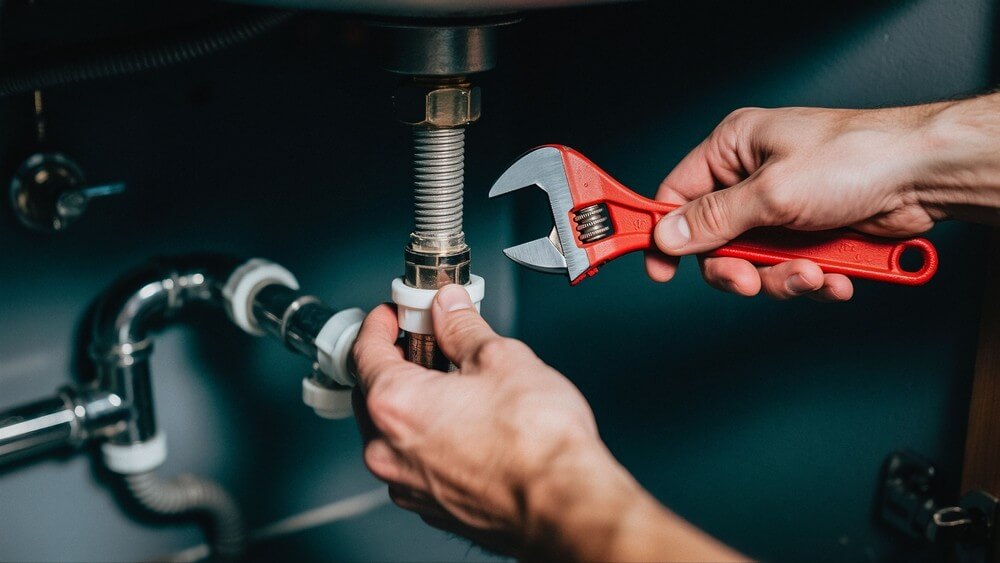
The right tool ensures a safe, secure repair, while the wrong one can ruin pipes, strip fittings, or scratch fixtures. For example, using a basic wrench can damage plumbing connections that need a pipe wrench or a specialty tool. Invest in adequate plumbing tools, or contact a professional for repairs beyond your toolbox, to avoid accidental injury.
Over-Tightening Connections
Making connections overly tight seems like a good insurance policy against leaks, but it can actually crack fittings and damage rubber seals. Modern pipe connections are designed to seal tightly without excessive force. The best practice is to tighten until snug, then gently secure a bit more, if necessary, never forcing components beyond their capacity.
Conclusion
Paying attention to these frequent plumbing mistakes helps protect your home and wallet from unnecessary trouble. With some vigilance and basic preventive maintenance, you can avoid costly leaks, clogs, and repairs. Simple habits such as properly disposing of waste, checking for small leaks, and avoiding harsh chemical drain cleaners can significantly extend the life of your plumbing system. Regular inspections also help identify potential issues before they develop into major problems. For complex issues or anything beyond your comfort zone, the peace of mind that comes with hiring a professional is invaluable. Experienced plumbers have the knowledge, tools, and expertise to diagnose problems accurately and provide long-lasting solutions. Taking proactive steps today can save you time, money, and stress while ensuring your plumbing system remains efficient and reliable for years to come.
Most read in News
Trending articles on News
Top articles on Minutehack


 Share article via email
Common Plumbing Mistakes Homeowners Make And How To Avoid Them
Thanks for signing up to Minutehack alerts.
Brilliant editorials heading your way soon.
Okay, Thanks!