
Business
Debenhams Tops List Of High Street Brands Shoppers Want Back
Search data reveals nostalgia for former retail giants as sector faces another year of closures.
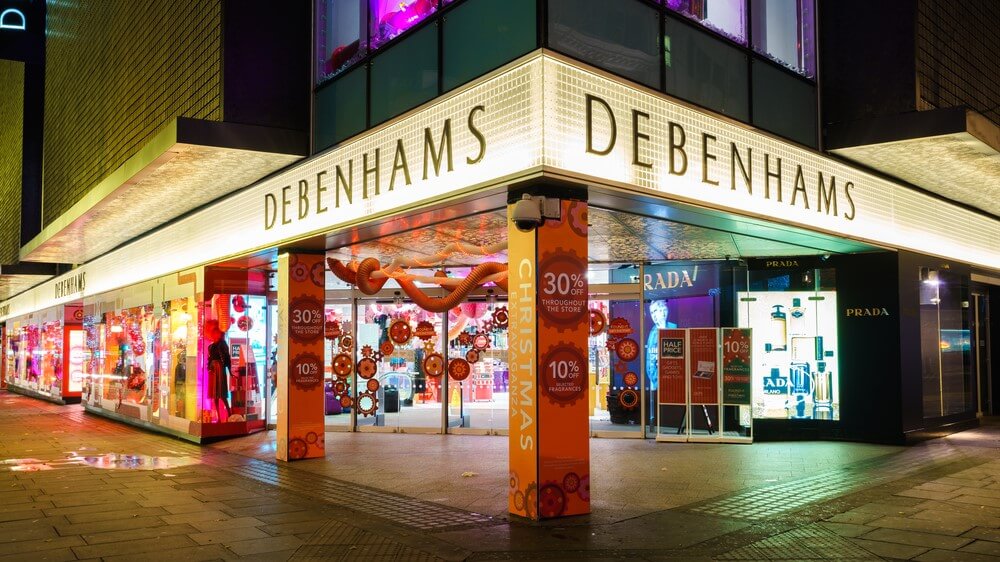
British shoppers would most like to see Debenhams return to the high street, according to new analysis of online search trends, highlighting continued nostalgia for several once-dominant retail brands that have disappeared from town centres in recent years.
Research from Liquidation Centre found Debenhams attracts around 415,000 average monthly searches in the UK from consumers hoping for a revival of the department store chain. Although the brand continues online after being acquired by Boohoo in 2021, its physical stores were not included in the deal and are unlikely to return.
Fashion retailer Dorothy Perkins ranked second, with around 40,000 monthly searches. The brand was previously part of the collapsed Arcadia Group before its online rights were acquired by Boohoo. As with Debenhams, its high street presence has not returned.
Chocolate retailer Thorntons and lifestyle brand Cath Kidston tied for third place, each attracting roughly 24,000 monthly searches. Both brands retreated from physical retail after struggling with declining footfall and the shift towards e-commerce. Cath Kidston’s brand was later acquired by Next, which now operates it primarily online.
Other names on the list reflect the long tail of retail nostalgia. Former variety chain Woolworths ranked fifth with around 15,000 searches, followed by toy retailer Toys R Us, which entered administration in the UK in 2018. The top ten also included BHS, Mothercare, Blockbuster and JJB Sports.
Richard Hunt, director at Liquidation Centre, said the data reflects both consumer loyalty and the structural challenges facing traditional retail. “Many of these brands struggled to adapt to changing consumer behaviour, particularly the shift towards online shopping,” he said. “High fixed costs such as rent and staffing also became unsustainable as footfall declined.”
The analysis comes amid renewed pressure on UK retail, with several well-known chains entering administration in early 2026. Rising costs, subdued consumer spending and intense competition from online platforms continue to reshape the high street.
Hunt said the demise of once-dominant retailers offered lessons for surviving businesses. Regular market research and close monitoring of competitors are essential, he argued, while financial discipline remains critical in periods of economic uncertainty.
“For businesses under pressure, the starting point is a clear understanding of income and expenditure,” he said. “That may involve renegotiating with landlords or suppliers, or seeking advice from insolvency specialists before problems escalate.”
While the return of many former high street names appears unlikely, the enduring public interest suggests their legacy still resonates — even as the shape of Britain’s retail landscape continues to change.

Most read in News
Trending articles on News
Top articles on Minutehack


 Share article via email
Debenhams Tops List Of High Street Brands Shoppers Want Back
Thanks for signing up to Minutehack alerts.
Brilliant editorials heading your way soon.
Okay, Thanks!