

Running a small business comes with a unique set of risks that can threaten even the most carefully laid business plans. From sudden property damage and accidental injuries to costly lawsuits and cyber threats, unforeseen circumstances have the power to destabilize or even derail business operations in an instant. Proactive risk management, grounded in a solid foundation of business insurance coverage, is crucial for every entrepreneur seeking to safeguard not only their investments but also the future growth and stability of their enterprise. Business insurance serves as a critical safety net, helping business owners weather adverse incidents that could otherwise result in catastrophic losses and, in some cases, the end of the business altogether.
Too often, small business owners underestimate their vulnerability to loss or may become overwhelmed by the broad array of policy options in the marketplace. Without a clear understanding of the necessity of business insurance, the types available, and how to select a trustworthy insurance provider, business owners may find themselves underinsured, exposing their companies to unnecessary risks. A strategic, informed approach to insurance can spell the difference between bouncing back stronger from adversity and facing irreversible setbacks.
Understanding the Importance of Business Insurance
Business insurance acts as your company’s safety net—protecting against financial losses due to accidents, lawsuits, natural disasters, theft, and a host of other potential hazards. Adequate insurance coverage means that, in the event of a worst-case scenario, such as a fire destroying your office or a customer slipping and injuring themselves on your premises, your business will have the necessary financial resources to recover. Despite the compelling necessity of insurance, there is a significant coverage gap: nearly three out of four small businesses in the U.S. are underinsured, and 70% of small business owners admit they don’t fully understand their coverage. This knowledge gap exposes businesses to significant risk, making comprehensive coverage and regular policy reviews imperative.
Having robust insurance isn’t only about shielding your company from unforeseen disasters; it’s an investment in the long-term credibility and resilience of your business. Insurance sends a clear message to clients, partners, and vendors that you operate professionally and take risk management seriously. In many industries, carrying specific types of coverage—such as workers’ compensation or professional liability insurance—isn’t just a best practice; it’s a legal requirement. Failing to maintain adequate insurance can restrict your ability to secure contracts, obtain business licenses, or attract top-tier employees who want a stable working environment. The security insurance provides can let you focus on growing your company rather than worrying about the unpredictable.
Common Types of Business Insurance
Identifying the right mix of insurance policies for your business is essential for minimizing financial risk and ensuring long-term continuity in the face of challenges. Here are the most common—and often most crucial—types of business insurance policies every small business owner should consider:
- General Liability Insurance: This foundational policy is vital for nearly every business and covers claims involving bodily injury, property damage, medical payments, and personal injury (such as defamation, slander, or libel). For example, if a customer slips and falls in your store or office, general liability insurance would help cover medical costs and potential legal fees.
- Professional Liability Insurance: Also known as Errors and Omissions (E&O) insurance, this protects your business if a client alleges negligence, mistakes, or omissions in the professional services or advice you provided. This type is essential for consultants, accountants, marketing professionals, and other service-based businesses.
- Workers' Compensation Insurance: Required by law in most states, this policy covers medical expenses and lost wages for employees injured on the job. Even in low-risk industries, accidents can occur, and workers' compensation ensures that injured staff receive care while protecting your business from costly lawsuits and regulatory penalties.
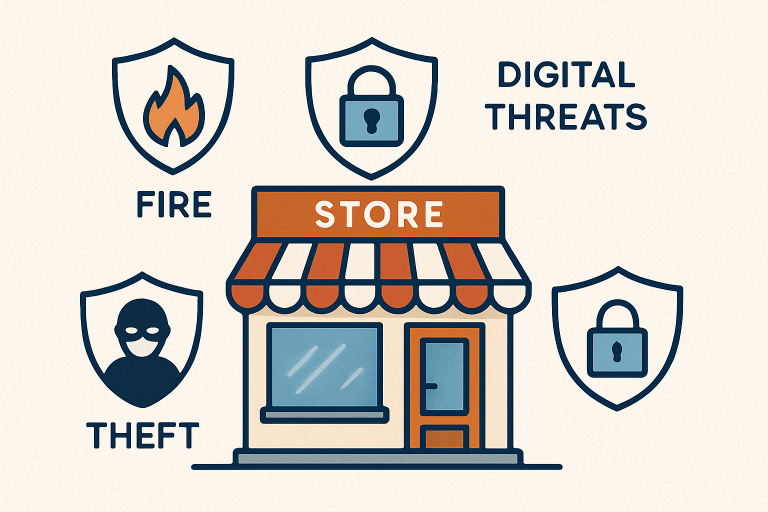
- Commercial Property Insurance: This policy protects your building, inventory, office furniture, and equipment against damage or loss from perils like fire, theft, vandalism, and specific weather events. Whether you own or lease your workspace, commercial property insurance is crucial for maintaining your operations after a disaster strikes.
- Cyber Liability Insurance: As businesses of all sizes become more dependent on technology and digital data, cyber liability insurance has become increasingly critical. This insurance helps cover the financial fallout from cyberattacks, ransomware incidents, or data breaches, including costs related to legal defense, customer notifications, regulatory fines, and restoring compromised data.
Assessing Your Business's Specific Needs
Every business is unique, which means the right insurance mix varies from one organization to the next. Start by conducting a thorough risk assessment: walk through your operations step by step, identify valuable assets such as inventory, equipment, and data, and evaluate potential vulnerabilities. Consider factors such as the types of products or services you offer, your physical location and weather risks, employee headcount, and the scale of your digital operations. For growing businesses, projected changes—such as hiring new staff or opening a second location—should also guide your insurance strategy.
Engaging industry associations or consulting risk management professionals can deliver valuable, tailored insights, including recommended coverage minimums and specific endorsements common to your field. What’s appropriate for a tech start-up may be drastically different from what a construction company, restaurant, or retail establishment needs. Consider regulatory requirements, customer expectations, and recent legal trends affecting your segment of the market to ensure you’re not overlooking critical coverage areas.
Choosing the Right Insurance Provider
The insurance marketplace offers numerous providers, but quality and reliability vary significantly. Select a reputable insurer recognized for its excellent customer service, fair claims handling, transparent policies, and solid financial stability. Check third-party reviews and ratings from reputable agencies and seek trusted recommendations. An insurer with industry expertise or tailored solutions adds value and peace of mind.
Partnering with agents and brokers can help you understand complex language, compare options, and customize plans to suit your budget and risks. Independent brokers, representing multiple carriers, help maximize coverage and value. Experienced agents can identify coverage gaps or suggest add-ons, especially as your business changes or faces new risks.
Regularly Reviewing and Updating Coverage
Like your business, the risks and opportunities you face are dynamic and evolving. Regularly reassessing your policies is essential. Schedule annual reviews and more frequent check-ins after significant events, such as expansions, new product launches, or legal changes. These reviews prevent gaps in your insurance, allowing updates before problems arise to ensure robust coverage and avoid costly shortfalls. Staying ahead of emerging risks, such as cyberattacks, extreme weather, and legal shifts, requires staying informed through industry news, professional groups, or consulting with your agent, so you’re always prepared.
Conclusion
Adequate business insurance is a cornerstone of entrepreneurial success. By understanding its critical importance, familiarizing yourself with coverage options, rigorously assessing your unique needs, choosing a trusted provider, and committing to regular reviews, you can build a foundation that withstands both everyday annoyances and major disruptions. Begin your insurance journey today to cultivate greater peace of mind, operational security, and confidence in your business’s future.
Key Takeaways
- Many small businesses are underinsured, leaving them vulnerable to unforeseen events that could jeopardize their operations and reputation.
- Understanding and selecting the appropriate insurance policies provides comprehensive protection, ensuring that a single mishap doesn’t evolve into a devastating loss.
- Regularly reviewing and updating coverage is crucial to ensure protection remains aligned with a business’s evolving needs, industry trends, and growth plans.
Most read in News
Trending articles on News
Top articles on Minutehack


 Share article via email
Essential Coverage Every Small Business Might Need
Thanks for signing up to Minutehack alerts.
Brilliant editorials heading your way soon.
Okay, Thanks!