
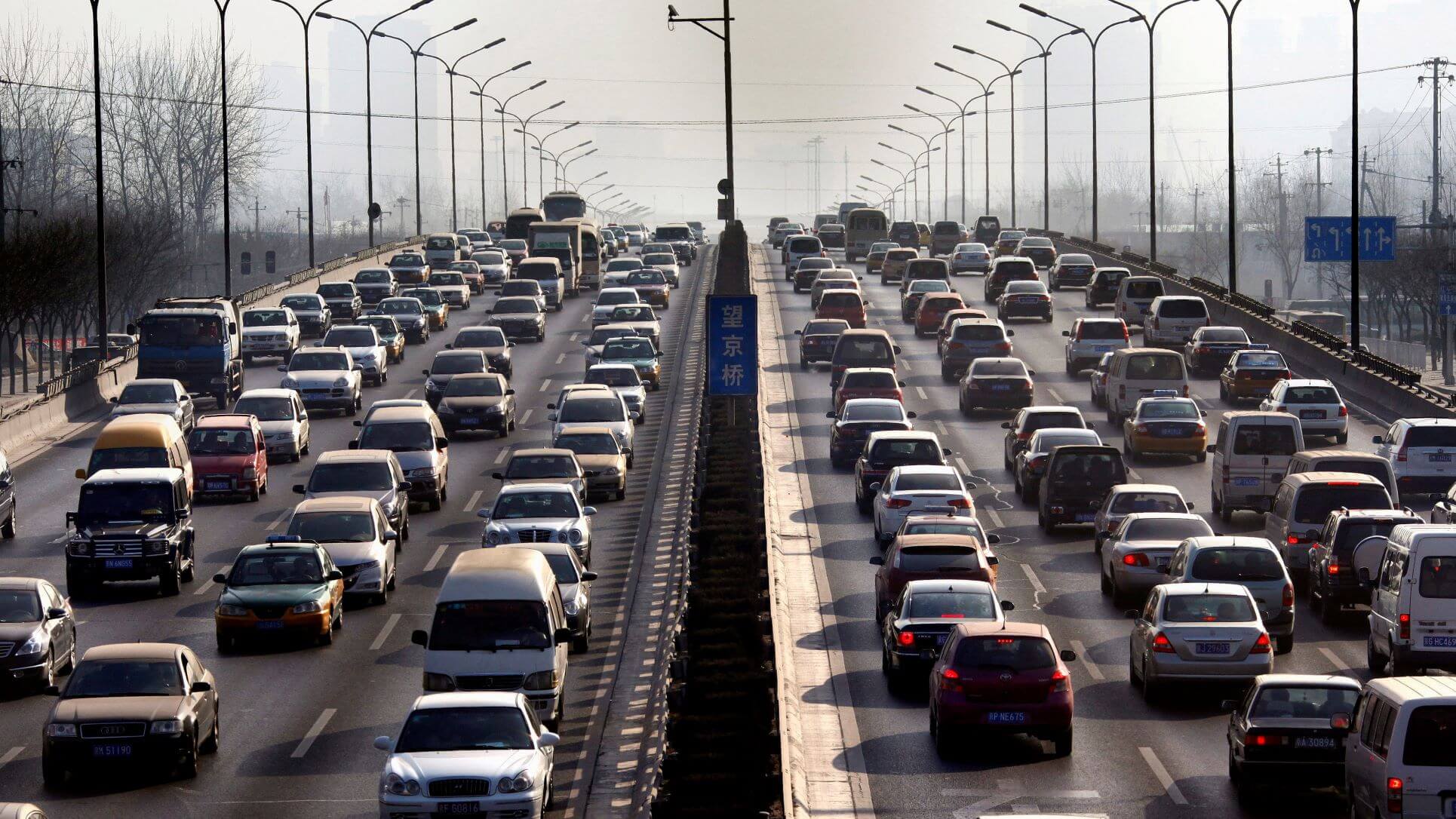
Rear-end collisions remain one of the most frequent causes of road trauma, leading to injuries, costly repairs, and sometimes life-changing consequences. Understanding the underlying causes and adopting practical safety strategies can dramatically lower the risk of these accidents. For drivers in Indiana seeking legal support after such incidents, consulting a rear end car accident lawyer can provide valuable guidance on the next steps following a crash. Adopting a proactive approach to driving safety not only helps prevent physical harm but also provides peace of mind for you and your loved ones.
Rear-end collisions are not exclusive to high-speed highways; they frequently occur in stop-and-go urban traffic, during inclement weather, or even because of momentary lapses in attention. Most rear-end accidents are preventable with the right combination of alertness, safe driving techniques, and regular vehicle maintenance.
This article explores essential strategies every driver should follow to reduce the risk of rear-end collisions significantly. It covers the most effective practices and highlights the importance of ongoing education and vigilance behind the wheel. Staying informed about recent advancements in vehicle safety technology and legislative changes, like mandatory crash-avoidance systems, can provide additional layers of protection for you and your family.
Understanding Rear-End Collisions
Rear-end collisions occur when one vehicle strikes the rear of another, most commonly due to distractions, following too closely, or abrupt braking, and many victims turn to an Indianpolis car injury lawyer to understand their options after an accident better. Data from the National Highway Traffic Safety Administration (NHTSA) reveals that these types of crashes account for nearly 30% of all car accidents in the United States, underscoring their prevalence on American roads.
Maintaining a Safe Following Distance
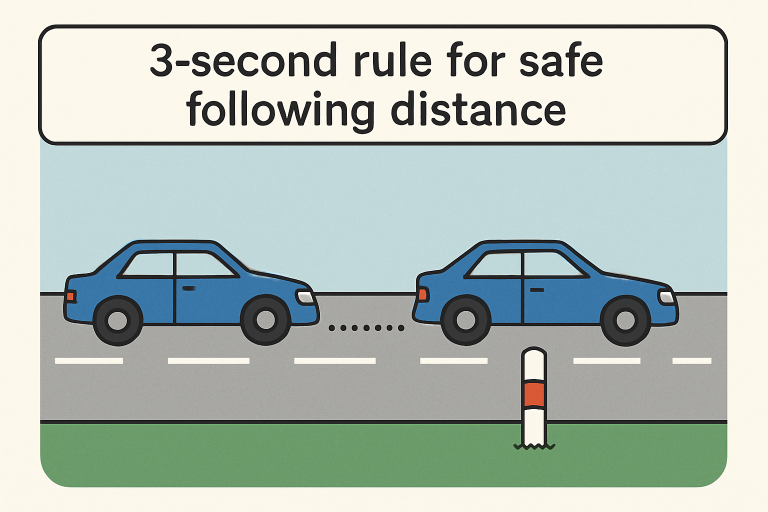
One of the most effective ways to avoid rear-end collisions is to always keep a safe distance from the vehicle ahead. The three-second rule is a simple yet powerful technique:
- Select a stationary roadside marker.
- When the vehicle ahead passes the marker, count "one thousand one, one thousand two, one thousand three."
- If you reach the marker before finishing the count, slow down to increase your distance.
During poor weather conditions such as heavy rain, snow, or fog, increase the following distance to 4 or 5 seconds. Longer stopping distances are essential for maintaining control when traction or visibility is compromised.
Minimizing Driving Distractions
Distracted driving is a leading factor in rear-end accidents. Common distractions include texting, handling navigation systems, or eating and drinking while on the road. According to The New York Times, distracted driving has become a serious public safety risk, making attention-focused driving more critical than ever. Consider enabling ‘Do Not Disturb’ modes on mobile devices and making all seat and navigation adjustments before your journey begins to mitigate the risk of distraction.
Leveraging Vehicle Safety Technologies
The automotive industry has made significant advances in crash-prevention technology. Automatic Emergency Braking (AEB) and adaptive cruise control are now standard in many modern vehicles, providing an additional safety net. These systems work by sensing potential collisions and automatically activating the brakes, helping reduce the severity of crashes or even avoid them. The NHTSA has set a timeline for all new passenger vehicles to be fitted with AEB systems in the coming years, reflecting the technology’s strong safety record.
Adapting to Weather and Road Conditions
Adverse weather greatly increases the likelihood of rear-end collisions by degrading traction and lowering visibility. To adapt, always reduce speed, allow extra stopping distance, and use headlights appropriately during poor weather. Being proactive and adjusting your driving style to suit current conditions is vital for avoiding unwelcome surprises on the road and preventing accidents in unpredictable situations.
Regular Vehicle Maintenance
Your vehicle’s health is directly tied to your safety on the road. Regularly inspect and service your brakes, lights (especially brake lights), tires, and other critical systems. Proper tire inflation and tread depth ensure effective stopping, while functional brake lights quickly alert following drivers to your intentions. Many mechanical-failure accidents are preventable with routine maintenance, so taking time for these checks is an investment in safety.
Defensive Driving Techniques
Defensive driving goes beyond the basics to help anticipate hazards and respond swiftly. Stay alert to other drivers' movements and behavior, anticipate their actions before they occur, and always plan an escape route in dense traffic. Signal your intentions early and avoid slamming on the brakes, especially when vehicles are tailgating you. Defensive driving training can further improve awareness and reaction times, helping you remain prepared for whatever happens on the road.
Final Thoughts
Consistently practicing the above strategies, keeping a safe following distance, reducing distractions, leveraging safety technology, adapting to changing weather, and maintaining your vehicle, creates safer roads for everyone. Educating yourself and prioritizing defensive habits helps minimize your risk of rear-end collisions and fosters a culture of safe driving throughout your community.
Key Takeaways
- Maintain a safe following distance using the three-second rule.
- Stay alert and minimize distractions while driving.
- Utilize vehicle safety technologies, such as Automatic Emergency Braking (AEB).
- Adapt driving habits to weather and road conditions.
- Ensure regular vehicle maintenance, with a focus on brakes and lights.
Most read in News
Trending articles on News
Top articles on Minutehack


 Share article via email
Essential Strategies To Prevent Rear-End Collisions
Thanks for signing up to Minutehack alerts.
Brilliant editorials heading your way soon.
Okay, Thanks!