
Business
Global Trade Fragmentation Could Cut World GDP By 5%, WTO Warns
Geopolitical trade blocs could trigger steep losses in global output and exports.
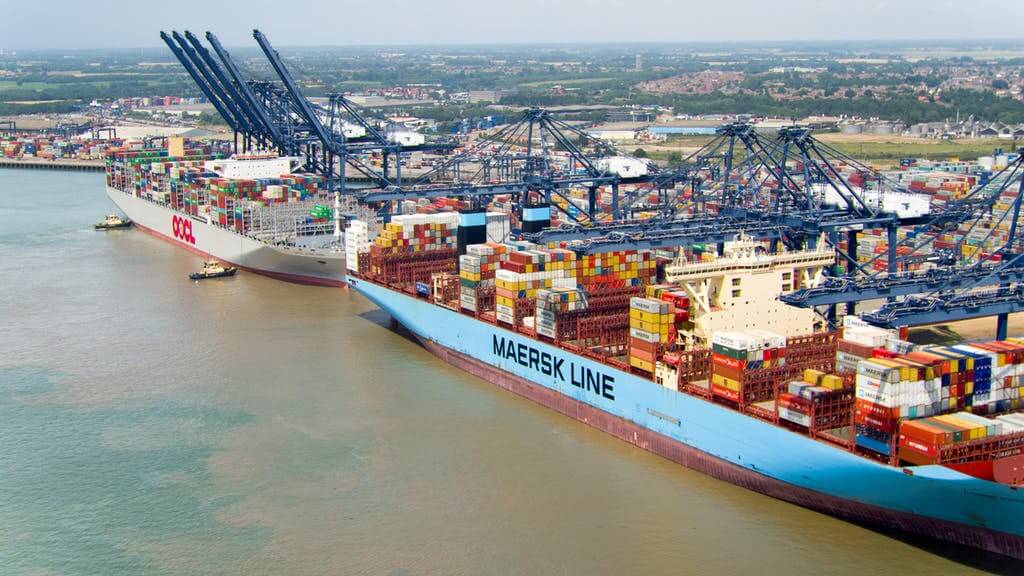
A fragmentation of the global trading system along geopolitical lines could reduce world GDP by 5.1 per cent and exports by almost a fifth, according to new modelling from the World Trade Organization.
The WTO's World Trade Report 2026 warned that the multilateral trading system was at a "critical juncture" as geopolitical tensions, subsidies, national security concerns and shifts in economic power place increasing strain on rules developed for an earlier era.
Its modelling found that dividing trade into geopolitically aligned blocs could reduce global exports by 18.6 per cent alongside the 5.1 per cent hit to GDP.
A more extreme scenario in which the WTO ceased to operate and multilateral co-operation was replaced by a network of free trade agreements could reduce global GDP by 6.9 per cent and exports by 26.9 per cent.
Conversely, stronger multilateral co-operation could increase global GDP by 2.9 per cent and exports by 17.9 per cent, highlighting the potential economic stakes as governments reconsider international trading relationships.
The WTO said its 166 members had benefited significantly from the rules-based system. Research cited in the report estimated membership had increased trade between members by about 140 per cent, while 72 per cent of global merchandise trade continues to take place under the organisation's core most-favoured-nation tariff arrangements.
However, the organisation acknowledged that its rules had struggled to keep pace with changes including the growth of global supply chains, digitalisation and artificial intelligence, increased use of industrial subsidies and the greater economic weight of emerging markets.
William Bain, head of trade policy at the British Chambers of Commerce, said the report demonstrated the need for reform.
"Global trade has changed, WTO reform is now essential, and greater transparency on subsidies is key to helping UK exporters," he said.
Bain added that UK companies wanted a reformed organisation capable of responding to the pressures facing international commerce.
The warning comes against an already subdued outlook for trade. The WTO forecast in March that global merchandise trade volumes would grow by 1.9 per cent in 2026, sharply below the 4.6 per cent expansion recorded last year.


Most read in News
Trending articles on News
Top articles on Minutehack


 Share article via email
Global Trade Fragmentation Could Cut World GDP By 5%, WTO Warns
Thanks for signing up to Minutehack alerts.
Brilliant editorials heading your way soon.
Okay, Thanks!