
Businesses and individuals struggling with tax debts face mounting financial pressure following the Bank of England's latest interest rate increase.
None
HMRC Raises Late Tax Payment Interest Rate To 8%
Businesses and individuals struggling with tax debts face mounting financial pressure following the Bank of England's latest interest rate increase.
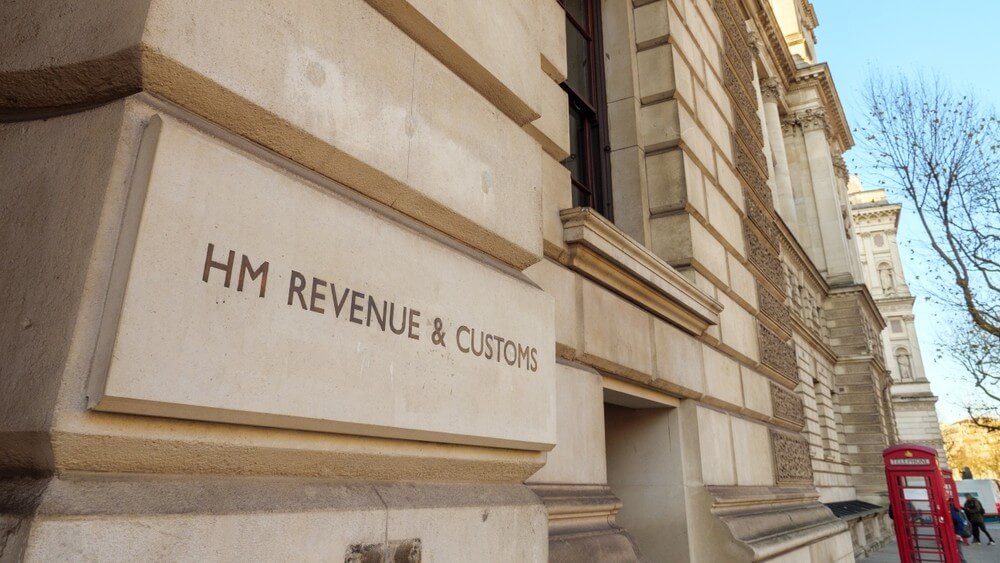
HM Revenue & Customs has increased the interest rate charged on overdue tax payments to 8 per cent, adding to financial pressures on businesses and individuals experiencing cash flow difficulties.
The increase from 7.75 per cent, effective from 24 November, follows the Bank of England's decision earlier this month to raise its base rate from 3.75 per cent to 4 per cent, the first increase since August 2023.
The rise compounds the impact of changes introduced in April 2025, when the government increased the interest rate applied to most overdue tax liabilities from 2.5 percentage points above the base rate to four percentage points.
The measure was designed to encourage prompt payment, increase Treasury revenues and reduce outstanding tax debt, which currently exceeds £43bn.
However, accountancy firm BDO warned that higher interest charges could exacerbate financial difficulties for taxpayers already struggling to meet their obligations.
Ezra Dulberg, a director in BDO's tax dispute resolution team, said: “The increase in the rate of late payment interest will come as a nasty shock to those in arrears, many of whom may well already be struggling with cashflow problems.”
At a constant interest rate of 8 per cent, an outstanding tax liability of £50,000 would generate £4,000 in annual interest charges.
The government previously forecast that increasing the late payment interest surcharge would generate an additional £260mn this year and £215mn annually over the following three years.
Taxpayers experiencing financial difficulties can apply for HMRC's Time to Pay arrangements, which allow outstanding liabilities to be settled through monthly instalments. However, interest continues to accrue until the debt is repaid.
Higher rates also create complications for businesses and individuals involved in tax disputes or HMRC investigations.
Taxpayers can make advance payments against potential liabilities to limit interest charges should additional tax ultimately become payable.
However, HMRC's repayment interest rate, which applies when excess tax payments are refunded, has risen to just 3 per cent, leaving a five-percentage-point gap between the two rates.
BDO said the disparity created a difficult financial calculation for taxpayers under investigation, particularly those seeking to preserve working capital while managing potential liabilities.
The firm urged taxpayers struggling with arrears to engage with HMRC and seek professional advice where appropriate, rather than allowing outstanding debts and associated interest charges to accumulate.
Most read in News
Trending articles on News
Top articles on Minutehack

 Share article via email
HMRC Raises Late Tax Payment Interest Rate To 8%
Thanks for signing up to Minutehack alerts.
Brilliant editorials heading your way soon.
Okay, Thanks!