
Key Takeaways
- Technology is streamlining the recruitment process, making it more efficient and data-driven.
- AI and machine learning are enhancing candidate matching and reducing hiring biases.
- Digital platforms are expanding the reach of job postings, connecting employers with a global talent pool.
- Continuous learning and upskilling are essential to keep pace with technological advancements in recruitment.
In a rapidly evolving digital landscape, businesses are harnessing innovative technologies to reshape the way they discover and attract the best candidates. From artificial intelligence to advanced data analytics, tech-driven recruitment is transforming the entire talent acquisition process, opening up new possibilities for both employers and job seekers. Companies now have more tools to identify ideal candidates, while digital solutions like Greenhouse Real Talent make it easier than ever to connect businesses with talent that matches their unique needs.
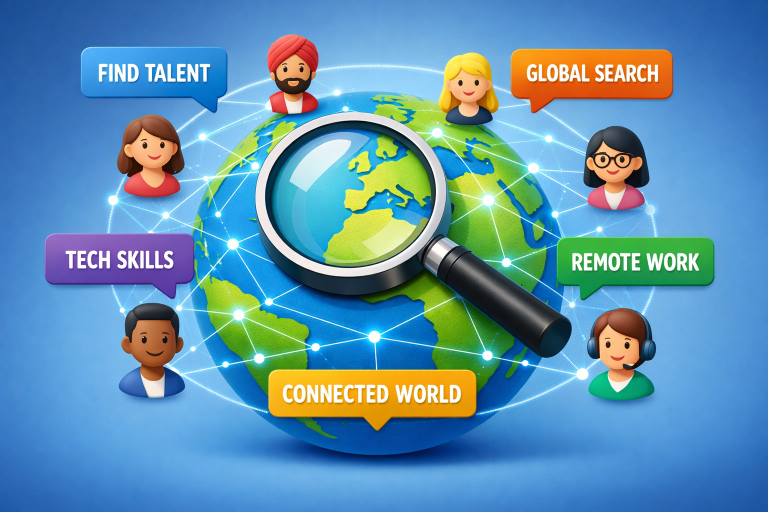
The rise of automation and digital platforms means more efficiency and a wider reach in hiring practices. No longer are employers limited to the local market or traditional hiring channels. Modern recruitment technologies have leveled the playing field, letting companies compete globally for the best talent. With integrated analytics and AI-driven systems, businesses can streamline candidate selection and onboarding, making hiring both faster and smarter.
These advancements also bring new dynamics to how organizations present themselves and engage with candidates. The digital transformation of recruiting is not simply about using new software; it is about building a process that is responsive, data-informed, and inclusive. As expectations of talent and businesses shift in this competitive job market, leveraging technology has become essential in staying ahead.
Embracing these changes means navigating both opportunities and challenges. As organizations optimize their talent acquisition efforts, they must also ensure ethical and thoughtful use of these technologies to promote fairness, diversity, and strong organizational cultures. Understanding these evolving dynamics is key for leaders interested in long-term success.
AI in Recruitment
Artificial intelligence is revolutionizing the recruitment landscape by taking over many of the repetitive, time-consuming tasks that once fell to human recruiters. AI-powered platforms can scan thousands of resumes within moments, evaluating candidates based on skills, experience, and cultural fit. These smart systems learn from data, constantly improving their ability to match top candidates to the most suitable roles. While this automation reduces time-to-hire and lowers operational costs, companies must also ensure that algorithms are carefully monitored for fairness and transparency, as unchecked biases in AI systems can perpetuate existing inequalities.
Data-Driven Hiring Decisions
Analytics now underpin every stage of the talent acquisition process. Employers use sophisticated data tools to track candidate progress, filter applicants through predictive models, and assess future performance. This granular insight enables organizations to identify patterns, such as which backgrounds and skills best correlate with long-term success or higher retention rates. By relying on robust data, hiring managers can eliminate guesswork, improve efficiency, and plan proactively for talent needs. In turn, this strategic approach helps reduce costly hiring mistakes and ensures the business is prepared for future growth.
Virtual Recruitment Platforms
The growth of remote work has accelerated the rollout of virtual recruitment platforms. Tools facilitating video interviews, online skills assessments, and digital onboarding have become the norm for companies operating in diverse markets. These platforms provide flexibility for both candidates and employers, removing geographic barriers and allowing for real-time, face-to-face engagement no matter the location. In addition, virtual career fairs bring together global talent and employers on a single digital platform, greatly expanding the talent pool and enabling organizations to attract top candidates from around the world.
Social Media in Talent Acquisition
With billions of users engaged on platforms like LinkedIn, Facebook, and Twitter, social media is now a central hub for recruitment marketing and networking. Recruiters regularly tap into these channels to share company culture, post job listings, and directly approach potential hires. Social media provides a unique space to connect with passive candidates, professionals who may not be actively searching for roles but are open to new opportunities when presented with the right offer. By cultivating a strong employer brand online, companies can engage talent communities and stand out in a crowded recruitment space.
The Importance of Upskilling
As work becomes increasingly technology-driven, continual learning is a must for career growth and talent retention. Forward-thinking companies invest in employee upskilling programs that foster both hard and soft skills needed in evolving roles. Offering ongoing training not only boosts employee morale but also helps attract ambitious candidates eager for growth opportunities. For organizations, prioritizing professional development ensures a workforce that is flexible, future-ready, and more likely to adapt successfully to technological change.
Enhancing Diversity and Inclusion
further to enhance the scope and accuracy of talent acquisition and inclusive hiring processes. AI tools can be fine-tuned to detect and neutralize biases in job postings and candidate evaluations, promoting fairness from the start. Furthermore, virtual recruitment methods allow companies to consider applicants from varied backgrounds and locations, reaching talent that may have been overlooked in traditional processes. An inclusive approach to talent acquisition is not only the right thing to do but also drives better business outcomes by fostering innovation and engagement within teams.
Challenges in Tech-Driven Recruitment
Despite its many advantages, tech-driven recruiting is not without hurdles. Automated screening processes can inadvertently filter out non-traditional candidates who might excel in new roles. For instance, some qualified professionals may be missed because their experiences do not perfectly align with conventional keywords or patterns identified by AI. Data privacy and security are persistent concerns as organizations manage increasing amounts of sensitive personal information. Human oversight remains essential to make sure technology is used ethically and responsibly, ensuring that the process complements rather than replaces good judgment and personal connection.
Future Trends in Talent Acquisition
The next decade will see even deeper integration of artificial intelligence, predictive analytics, and immersive technologies such as virtual reality into recruitment processes. These tools promise richer candidate assessments, from simulating real work environments to evaluating soft skills in more dynamic ways. Companies will also place greater emphasis on leveraging real-time data and talent analytics for making strategic hiring decisions. As these innovations promise to further enhance the scope and accuracy of talent acquisition, businesses must remain agile and open to adopting best practices to ensure they build resilient workforces for the challenges ahead.
Technology is redefining how businesses compete for and nurture top talent. Organizations that embrace these digital advancements will not only attract the best people but also set the standard for ethical, inclusive, and effective recruiting in a digital-first world.
Most read in News
Trending articles on News
Top articles on Minutehack


 Share article via email
How Technology Is Changing the Way Businesses Find Top Talent
Thanks for signing up to Minutehack alerts.
Brilliant editorials heading your way soon.
Okay, Thanks!