
Business
Manufacturers Face £1bn Business Rates Surge Amid Rising Cost Pressures
Make UK warns higher property taxes risk jobs, investment and competitiveness.
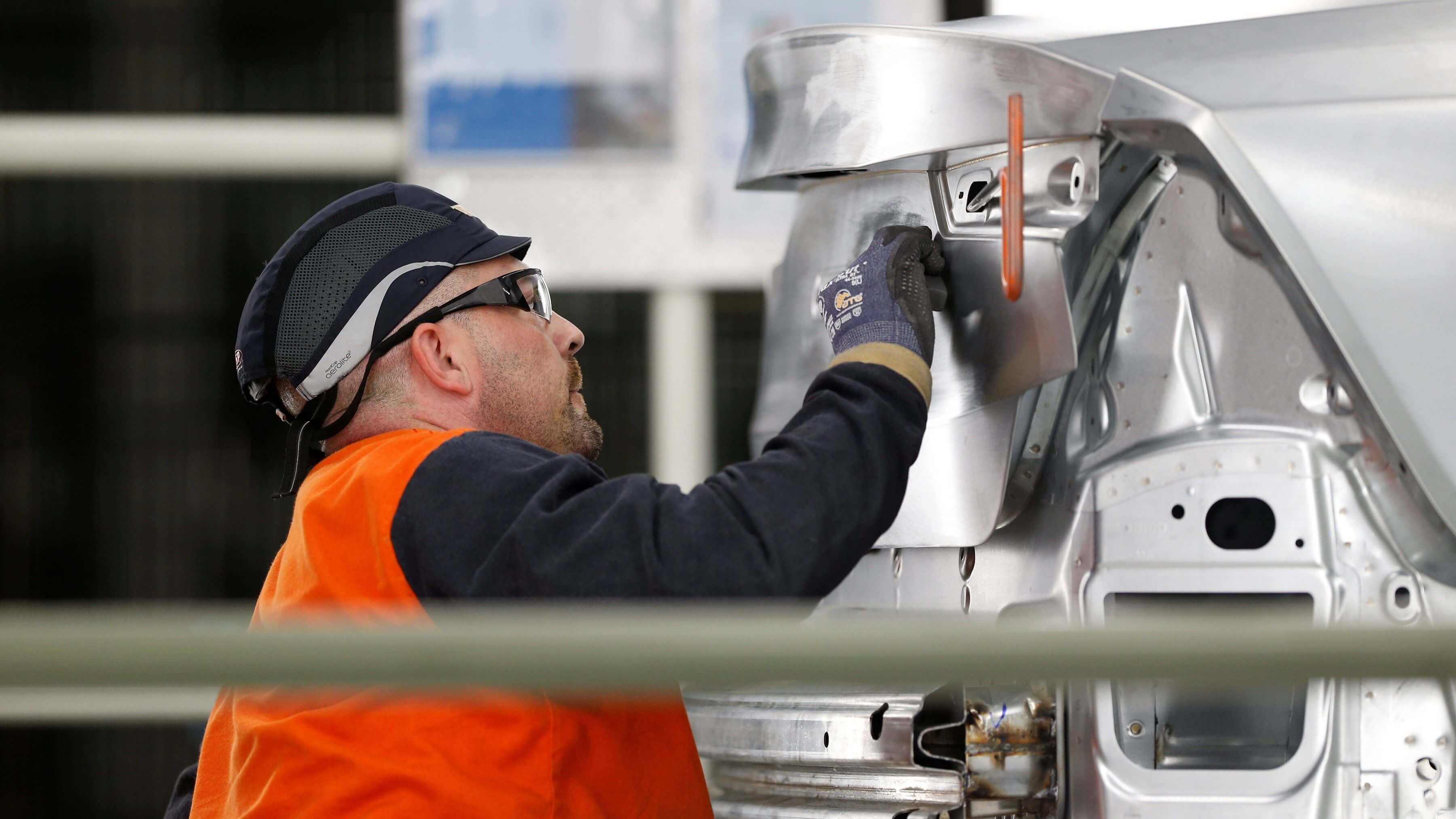
Britain’s manufacturers are set to face an increase of up to £1bn in annual business rates from April, adding to mounting pressure from higher energy and employment costs, according to new analysis from Make UK.
The industry body estimates the sector will pay an additional £939m a year following changes in rateable values between 2023 and 2026. Despite accounting for around 10% of the economy, manufacturers contribute more than 20% of total business rates revenues.
A separate survey of 172 companies found that two-thirds had seen their rateable values rise by up to 20%. More sharply, 17% reported increases of between 20% and 50%, while 3% saw rises of up to 100%.
The increases come as many firms renegotiate energy contracts and absorb higher employment costs, compounding financial pressures.
Verity Davidge, policy director at Make UK, said the system placed a disproportionate burden on the sector. “The current business rates system is outdated and acts as a blunt instrument,” she said. “Manufacturers are being hit at a time when they are already facing significant cost pressures beyond their control.”
Business rates are already a major expense for the sector. Around 23% of manufacturers said it was their second-largest cost, while 8% identified it as their biggest. The report suggests rising bills could influence decisions on investment, hiring and innovation, with modelling indicating up to 25,000 jobs could be at risk.
Make UK argues the current system penalises manufacturers because it is based on property size rather than business performance. This means firms can face higher charges even if they are relatively small by turnover or employment.
More than half of manufacturing properties have rateable values above £100,000, and one in five exceed £500,000, exposing them to higher multipliers. By contrast, only 6% fall below £20,000, limiting access to relief schemes.
The system may also discourage investment in sustainability, the group said, as improvements such as renewable energy installations can increase property values and therefore tax liabilities.
Make UK is calling for reforms including linking rates more closely to business performance, providing at least 12 months’ notice before increases take effect, and improving transparency on how revenues are used by local authorities.


Most read in News
Trending articles on News
Top articles on Minutehack


 Share article via email
Manufacturers Face £1bn Business Rates Surge Amid Rising Cost Pressures
Thanks for signing up to Minutehack alerts.
Brilliant editorials heading your way soon.
Okay, Thanks!