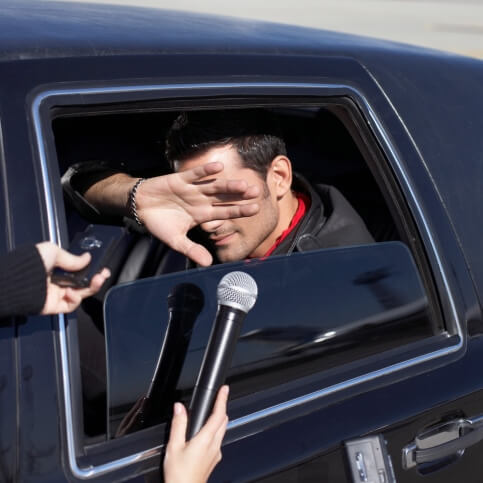
Drink-driving carries severe consequences, including automatic disqualification, potential prison sentences and long-term licence endorsements.
People
Small Businesses Not Doing Enough To Tackle Drink-Driving Risks, Research Suggests
Drink-driving carries severe consequences, including automatic disqualification, potential prison sentences and long-term licence endorsements.

Many UK small and medium-sized enterprises are failing to educate staff on the dangers of drink-driving, despite a significant number having experienced incidents in recent years, according to new research from road safety charity IAM RoadSmart.
The survey of 250 HR directors and business owners found that 52% of SMEs employing people who drive for work had recorded at least one drink-driving incident in the past three years. More than half of those affected (54%) said the incident had a damaging impact on their business.
The findings are of particular concern ahead of the festive season, a period that traditionally sees an increase in drink-driving offences. Fifty-nine percent of firms expect some employees to drive the day after their Christmas party, yet 48% provide no drink-driving awareness training at this time of year. Only 19% carry out daily alcohol tests during the festive period, and more than a third (35%) admit they only take action after an incident has already occurred.
The research also reveals dissatisfaction with current policies and training. Thirty-six percent of respondents said their drink-driving policy should be stronger, and 39% of businesses that run their own awareness sessions are not fully satisfied with the training they provide.
Third-party training could help address these shortfalls, but uptake remains mixed. Although 97% of businesses that have used external courses would recommend them, only 48% currently do so. Time pressure (36%) and cost (32%) were cited as the main barriers.
Drink-driving carries severe consequences, including automatic disqualification, potential prison sentences and long-term licence endorsements that can significantly affect a person’s career. Employers also face potential legal, financial and reputational risks if staff are involved in incidents while driving for work.
Nicholas Lyes, Director of Policy and Standards at IAM RoadSmart, said the findings point to a “worrying picture” of complacency.
“These results suggest many SMEs are not doing enough to educate or test drivers for alcohol, especially during the festive season when drink-drive occurrences rise,” he said. “Drink-driving is not only dangerous for drivers and other road users, it can also harm a company’s reputation and push up repair costs and insurance premiums.”
Lyes urged firms to adopt a more proactive approach, including reviewing policies, offering training and reducing risks around workplace celebrations.
“Businesses should take steps to ensure drivers are aware of the risks and minimise the chance of an incident occurring. This might include holding Christmas parties at the end of the week, providing accommodation or transport, or planning an alcohol-free event.”
He added that IAM RoadSmart’s Fitness to Drive Toolbox Talk is designed to ease the burden on SMEs that struggle to provide training in-house, offering expert-led sessions aimed at reducing risks before they materialise.
While training comes with costs, Lyes said these are minor compared with the potential human, financial and reputational damage caused by drink-driving incidents.
Most read in News
Trending articles on News
Top articles on Minutehack


 Share article via email
Small Businesses Not Doing Enough To Tackle Drink-Driving Risks, Research Suggests
Thanks for signing up to Minutehack alerts.
Brilliant editorials heading your way soon.
Okay, Thanks!