
People
Strike Disruption Falls Sharply During Labour’s First Year In Office
Union says higher pay and stronger workplace protections have helped reduce industrial unrest.
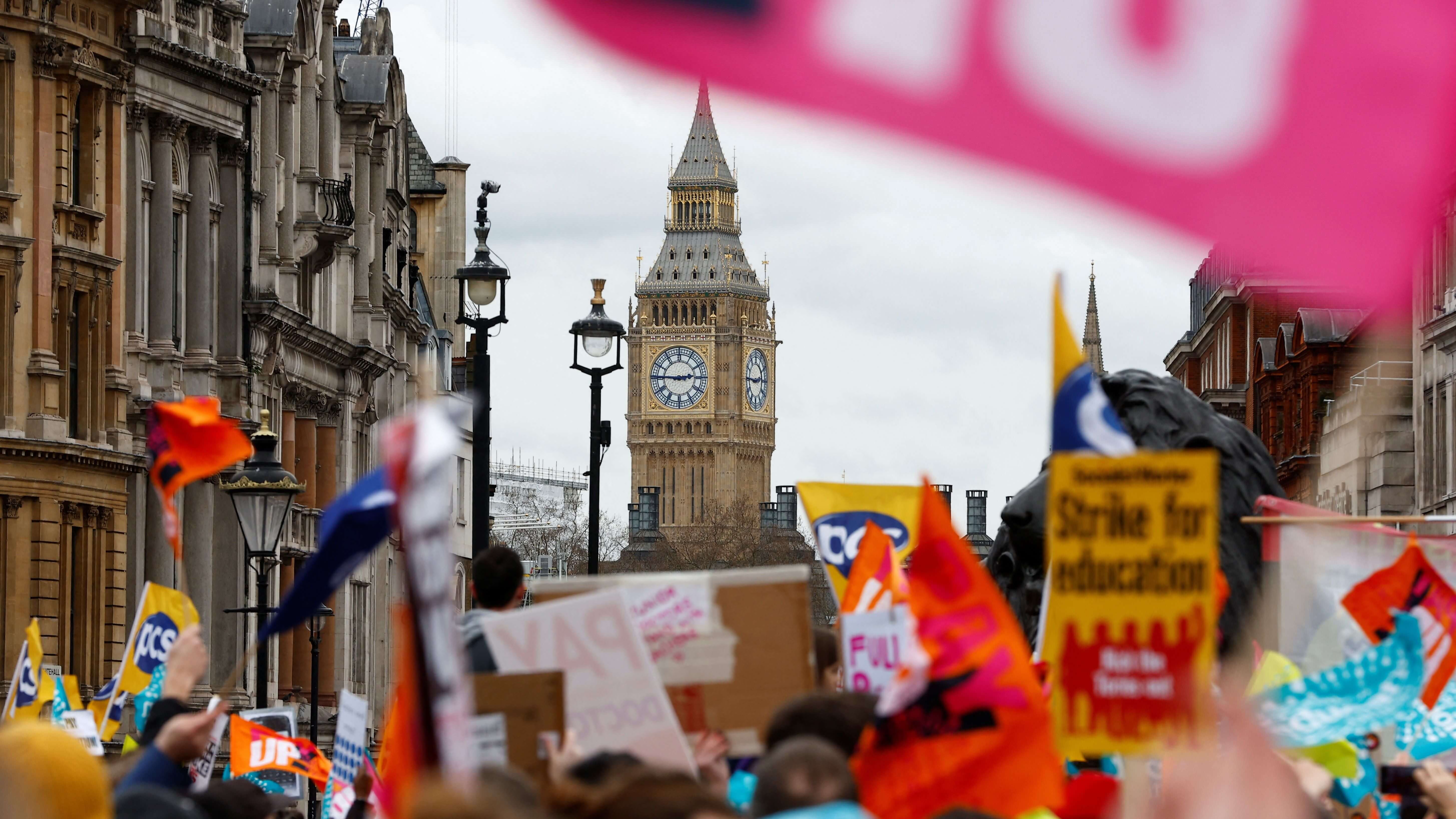
The number of working days lost to industrial action fell by more than 60 per cent during Labour’s first year in government, according to analysis by the GMB, suggesting a significant easing in workplace disputes after several years of elevated strike activity.
Drawing on data from the Office for National Statistics, the union found that 559,000 working days were lost to strikes in the 12 months following Labour’s election victory in July 2024. That compares with 1.4 million days lost in the year preceding the change of government.
The figures represent one of the sharpest declines in industrial action since the wave of strikes that affected sectors ranging from transport and healthcare to education and local government during the final years of the previous administration.
GMB argues that the reduction reflects a combination of rising wages and improvements to employment protections, including measures designed to strengthen workers’ rights and expand access to sick pay.
The findings will be discussed at the union’s annual congress in Blackpool, where delegates are expected to examine the impact of Labour’s wider employment agenda on industrial relations.
Ross Holden said industrial disputes were often a consequence of workers feeling that pay had failed to keep pace with living costs or that concerns were not being addressed by employers.
He argued that the fall in strike activity demonstrated that stronger workplace protections and efforts to improve pay could help reduce conflict rather than increase it.
The data also suggest a broader stabilisation in labour relations after a period marked by widespread disputes over wages, inflation and working conditions. During the peak of the industrial unrest, Britain experienced its highest level of strike activity for decades as workers sought compensation for rapidly rising living costs.
While the number of days lost remains above some pre-pandemic levels, the latest figures indicate a significant easing in tensions across much of the economy.


Most read in News
Trending articles on News
Top articles on Minutehack


 Share article via email
Strike Disruption Falls Sharply During Labour’s First Year In Office
Thanks for signing up to Minutehack alerts.
Brilliant editorials heading your way soon.
Okay, Thanks!