
New data shows tech startups are drawn to stablecoins’ speed and efficiency — but wary of their darker side.
Technology
Tech Startups Stall On Stablecoins Amid Fears Of Fraud And Crime Links
New data shows tech startups are drawn to stablecoins’ speed and efficiency — but wary of their darker side.
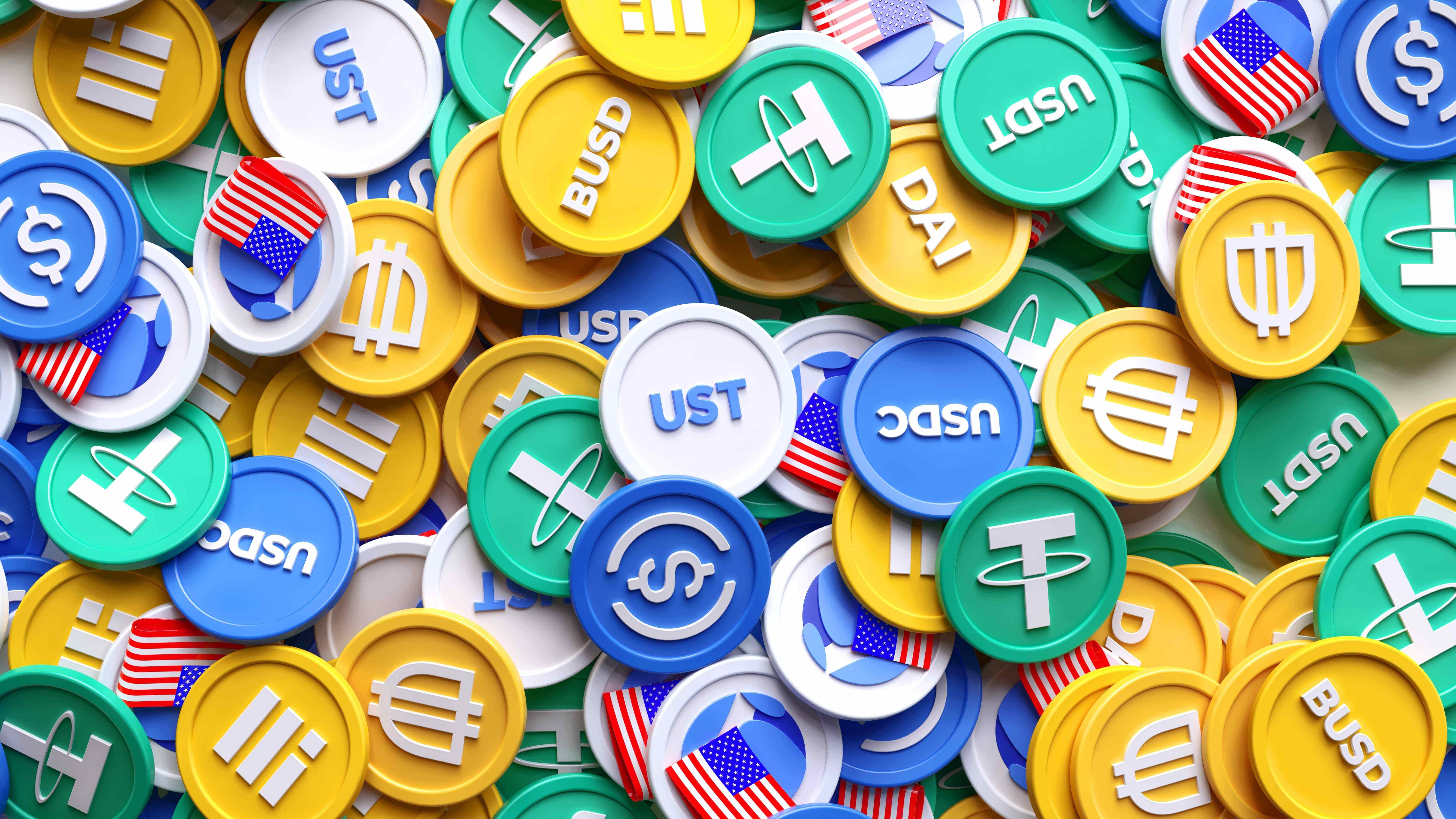
Half of Europe’s tech startups view fraud and links to illicit trade as major barriers to adopting stablecoins, according to new research from Enfuce, despite widespread optimism about their potential to transform payments.
The study, conducted by Sapio Research for the Finnish payments processor, surveyed 250 technology startups across the EU and UK. While 87% of respondents said stablecoins could offer a competitive advantage, and 76% described them as the “future of money,” concerns about trust and compliance continue to hold adoption back.
Nearly all respondents — 97% — cited external risks to using stablecoins. Fraud and criminal use were mentioned most frequently, followed by regulatory complexity (37%), the risk of devaluation or “depegging” (34%), and environmental impact (27%).
Stablecoins are increasingly under scrutiny from regulators and financial crime watchdogs. The Financial Action Task Force has warned that these digital assets now account for the majority of on-chain illicit transactions, raising the stakes for startups and investors entering the space.
Yet for firms that already use them, the technology is quickly becoming integral to operations. Forty percent of startups surveyed said they hold stablecoins — keeping an average of 39% of their reserves, or around €60,000, in tokens. Most cited faster, cheaper cross-border payments, and access to new financial infrastructure as key benefits.
Many players chase bold wins in modern casino entertainment because vivid themes and sharp action create strong anticipation. The experience grows even more intense when a session features Wanted Dead or a Wild with its fierce Western spirit.
However, understanding of the underlying safeguards remains limited. Only 18% of respondents said they fully understood whether their holdings were insured or protected, and just 20% reported having a clear grasp of the current regulatory environment.
Monika Liikamaa, Co-Founder and Co-CEO of Enfuce, said stablecoins were becoming “part of the financial toolkit” for modern startups, but trust needed to catch up with innovation.
“Stablecoins are fast becoming part of the financial toolkit for startups, but trust still needs to catch up with the pace of innovation,” she said. “To unlock their full potential, we need clear rules, strong safeguards and greater transparency across the ecosystem.”
Denise Johannson, Co-Founder and Co-CEO of Enfuce, said that while adoption was growing, scaling it sustainably would depend on better regulation and education.
“Many startups see stablecoins as a practical way to improve speed and efficiency,” she said. “But for adoption to grow responsibly, the industry needs clearer guidance on risk and accountability — and stronger collaboration between regulators and innovators.”
The research highlights a sector torn between enthusiasm and caution: startups recognise stablecoins’ potential to streamline payments and modernise finance, but for many, concerns over security and oversight remain the deciding factor.
Related Articles
Most read in News
Trending articles on News
Top articles on Minutehack


 Share article via email
Tech Startups Stall On Stablecoins Amid Fears Of Fraud And Crime Links
Thanks for signing up to Minutehack alerts.
Brilliant editorials heading your way soon.
Okay, Thanks!