The new “tech prosperity deal” will see the UK and US deepen collaboration on AI, quantum computing and nuclear power, unlocking tens of billions of pounds in investment and opportunities for innovators.
UK And US Strike Tech Deal As Trump Arrives For State Visit
The new “tech prosperity deal” will see the UK and US deepen collaboration on AI, quantum computing and nuclear power, unlocking tens of billions of pounds in investment and opportunities for innovators.
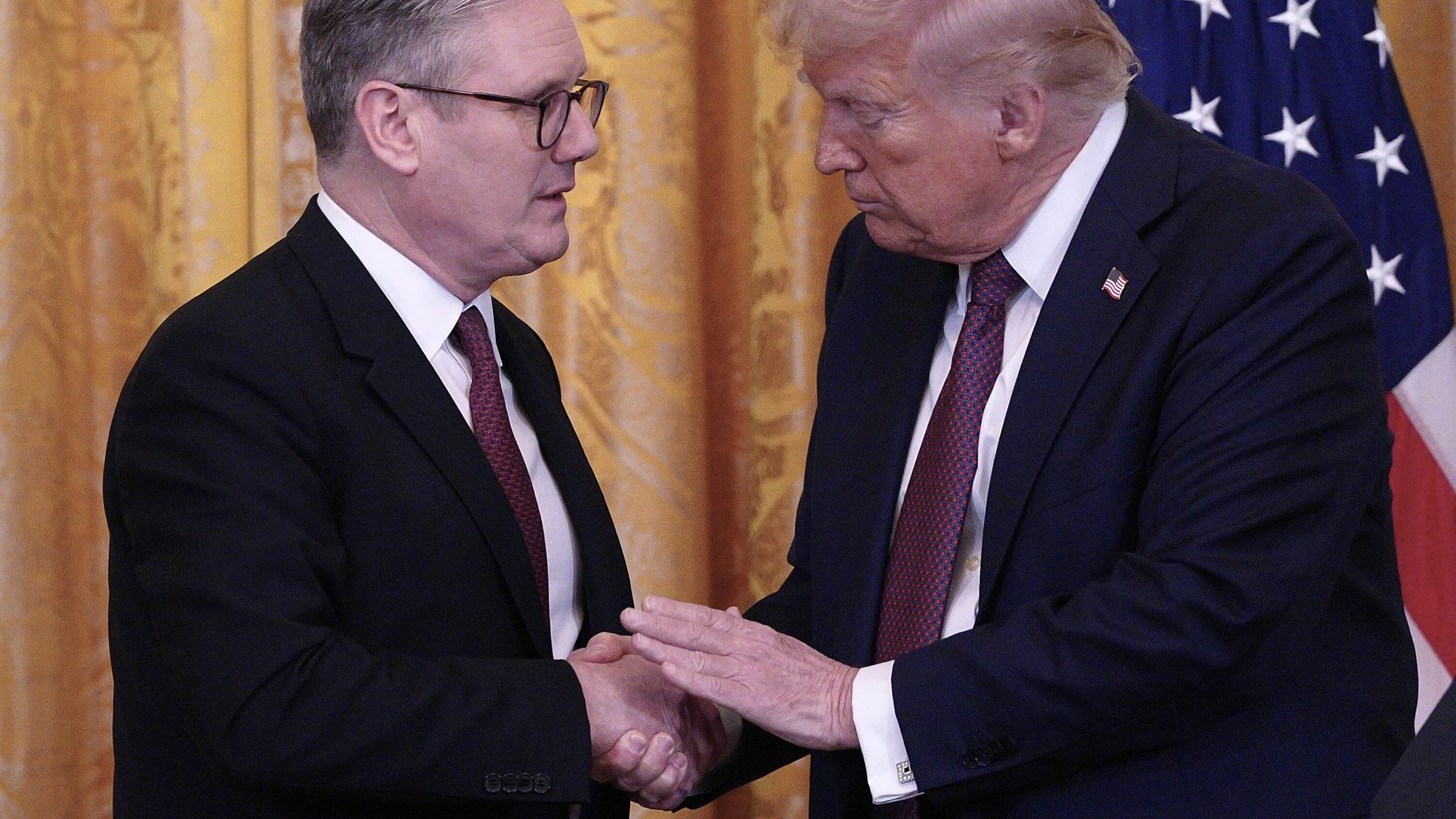
Britain has secured a major technology partnership with the United States as President Donald Trump begins his second state visit, with the agreement promising billions in fresh investment and a boost to the UK’s standing as a hub for advanced industries.
Announced by prime minister Sir Keir Starmer on Tuesday night, the “tech prosperity deal” is designed to strengthen co-operation in areas such as artificial intelligence, quantum computing and nuclear power. It comes alongside commitments worth £31bn from some of America’s biggest tech companies, including a record £22bn investment from Microsoft to expand UK AI infrastructure and build the nation’s largest supercomputer.
Brad Smith, Microsoft’s president, said the decision reflected confidence in the UK’s direction. “You don’t spend £22bn unless you have confidence in where the country, the government and the market are all going,” he said.
Other major investments include £1.5bn from cloud computing firm CoreWeave, £1.4bn from Salesforce to build a European AI hub, and over £1bn from UK-based Pathfinder to expand computing capacity. Nvidia, the world’s most valuable chipmaker, will deploy 120,000 processors across Britain, while OpenAI will support a new “AI Growth Zone” in the North East expected to create 5,000 jobs and attract £30bn in private funding.
For entrepreneurs, the deal signals a wave of opportunities. Access to advanced computing infrastructure, new AI clusters and international partnerships could open doors for start-ups and scale-ups working in healthcare, fintech, clean energy and other high-growth sectors. The focus on regional investment also suggests founders outside London may benefit as growth zones are rolled out.
But the scale of investment also raises challenges: competition for skilled talent will intensify, infrastructure demands such as energy capacity must be addressed, and regulatory frameworks will need to keep pace with rapid innovation.
Starmer hailed the partnership as a “generational step change” in the UK-US relationship, saying it would deliver “growth, security and opportunity up and down the country.” For founders, the message is clear – global capital is ready to back British innovation, but seizing it will require agility, collaboration and readiness to scale.





 Share article via email
UK And US Strike Tech Deal As Trump Arrives For State Visit
Thanks for signing up to Minutehack alerts.
Brilliant editorials heading your way soon.
Okay, Thanks!