
HMRC figures show revenues climbing 4 per cent as banks contribute more and the higher corporation tax rate boosts Treasury receipts.
Economy
UK Corporate Tax Receipts Hit Record £100bn
HMRC figures show revenues climbing 4 per cent as banks contribute more and the higher corporation tax rate boosts Treasury receipts.
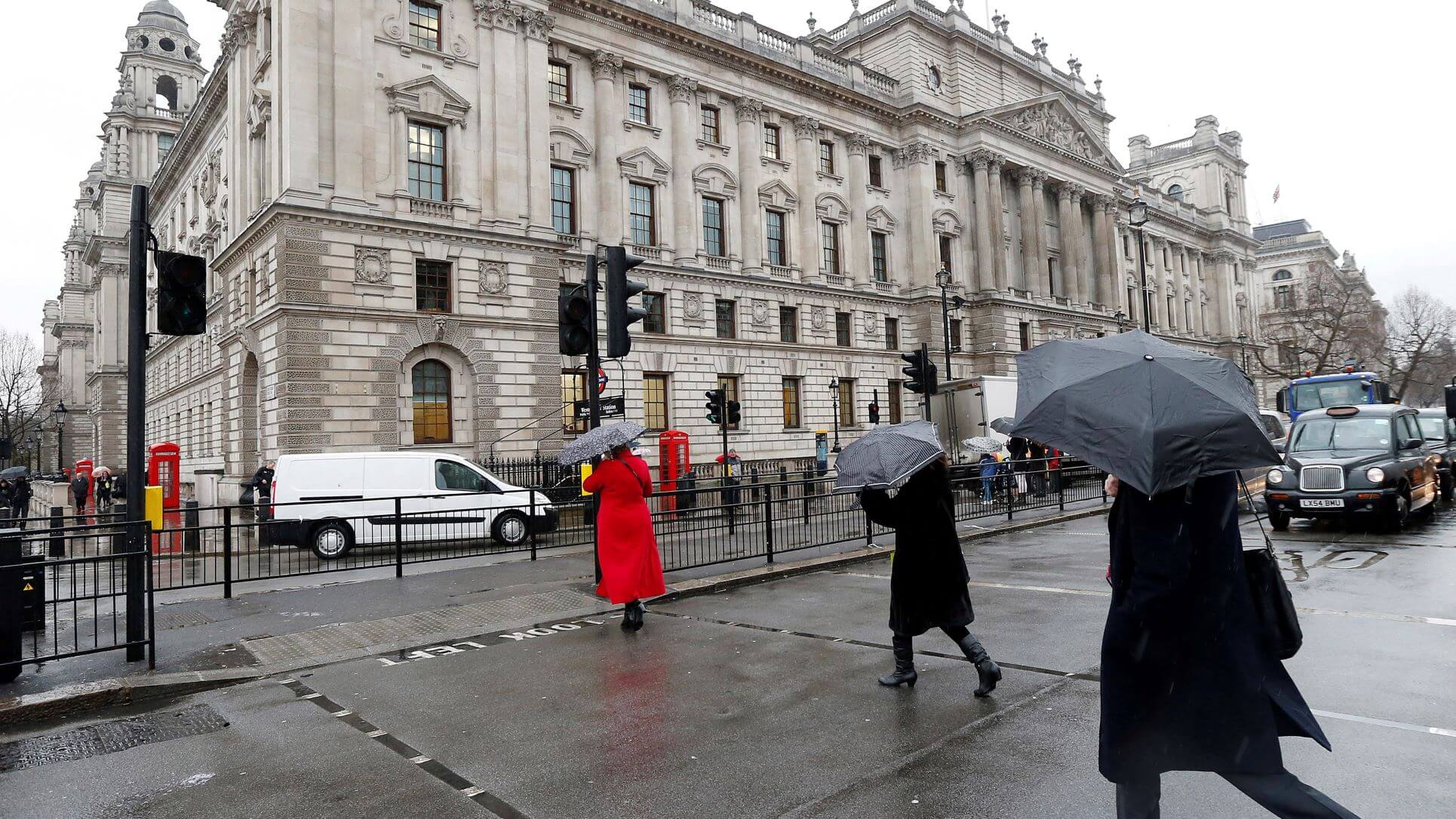
UK corporate tax receipts exceeded £100bn for the first time last year, as higher payments from banks and the increase in the headline corporation tax rate boosted government revenues.
HM Revenue & Customs said receipts from corporation tax and related corporate levies reached £100.4bn in 2025-26, up £3.5bn, or 4 per cent, from £96.9bn a year earlier.
Mainstream corporation tax accounted for £95.1bn of the total, comprising £92.9bn from onshore companies and £2.2bn from offshore businesses. The remainder included the bank levy and surcharge, energy profits levy, residential property developer tax and electricity generator levy.
Financial and insurance companies were by far the biggest source of corporation tax, contributing £25.3bn, or 27 per cent of receipts. Payments from the sector increased £3.6bn, or 17 per cent, from the previous year.
Wholesale and retail businesses were the second-largest contributor at £9.5bn, although their payments fell 6 per cent year on year. Professional, scientific and technical businesses contributed £8.6bn. Overall, 13 of the 20 industry sectors recorded increases.
HMRC said the longer-term rise in receipts reflected the post-pandemic economic recovery, new corporate levies and the increase in the main corporation tax rate from 19 to 25 per cent in April 2023.
The figures do not, however, point simply to rapidly rising company profits. HMRC's latest liabilities data show profits chargeable to corporation tax fell 0.5 per cent in 2024-25, while corporation tax liabilities increased 5 per cent to £87.9bn, largely because of the higher headline rate.
Companies with profits above £250,000 currently pay corporation tax at 25 per cent, while those making £50,000 or less face a 19 per cent small profits rate. Marginal relief applies between the two thresholds.
Jonathan Hickman, tax partner at BDO, called on the Chancellor to use the Budget to simplify the regime by phasing in a single 21 per cent rate.
He argued that the existing combination of the main rate, small profits rate and marginal relief added complexity as companies grew.
Such a change would represent a substantial departure from current policy. The government has legislated to maintain the 25 per cent main rate and 19 per cent small profits rate for the 2027 financial year.
Most read in News
Trending articles on News
Top articles on Minutehack


 Share article via email
UK Corporate Tax Receipts Hit Record £100bn
Thanks for signing up to Minutehack alerts.
Brilliant editorials heading your way soon.
Okay, Thanks!