
Opinions
What Makes Integration Work In The Digital Studio Market?
What is a digital product studio? It’s never been an easy question to answer.
Some focus on design, others on engineering, but most end up somewhere between the two because client problems rarely sit in one neat category. Lines quickly get blurred between genuine specialisms and the desire to manage as much as the digital product creation process as possible.
AI has taken this blurring of lines even further. Many businesses are no longer just experimenting with AI in the background; they are starting to ask how it should shape the products their customers actually use, which in turn changes the brief for a digital studio.
A website is no longer always just a website. It might need to personalise content, connect with a CRM, draw on customer data, automate parts of a journey, or learn from how people use it over time. All of that creates a different kind of pressure, where studios whose strength is design may suddenly need deeper engineering around data, integration, and performance, and more technical studios may need stronger UX thinking so that AI-driven features feel useful rather than confusing.
The work has to account for how the product behaves over time, how people interact with it, and whether the technology underneath can support it properly, making product delivery more difficult.
That is putting pressure on the digital studio market, particularly when clients are watching budgets more closely and studios are carrying higher costs themselves. A client might still ask for a new website, app, or platform, but the actual need has become broader, with that work now needing to be moved between several disconnected partners, decisions slowing down, and the cost of delivery becoming harder to justify.
That is why integration, partnerships, and acquisitions are seemingly becoming more common in this space. For some digital product studios, joining with a complementary partner can give their clients access to capabilities that would be difficult to build alone, while keeping the relationships and ways of working that clients already value.
Clients want fewer gaps
For a long time, it was relatively normal for one studio to handle design and another to build the technology. Support, again, was often separate. This can still work, but it puts a lot of pressure on the client.
When digital products sit at the centre of how a business serves customers or runs daily operations, those handovers matter: a polished interface has limited value if the platform behind it cannot support real use. A technically sound product will still struggle if people find it difficult to use. AI only increases the need for those choices to sit together.
Studios still need a clear specialism, but when design and engineering sit too far apart, the gaps usually show up later in the product. That is why closer working between those teams now matters so much.
That is the practical reason Studio Graphene has integrated Tribe Digital into its wider offering. Studio Graphene has grown around product engineering, platforms, cloud, DevOps, and AI-native development. Tribe, based in Dublin, brings user experience, design, and high-end customer-facing digital work.
The fit is straightforward. Tribe strengthens an area that sits naturally beside our existing work, while Studio Graphene gives Tribe’s clients access to deeper technical capability, and it gives us a presence in Ireland for the first time. Eoin McKenna, Tribe’s Founding Director, is helping Irish and European clients connect with the wider Studio Graphene team, while also providing a stronger end-to-end experience for Tribe’s clients.
A broader platform for specialist studios
Many specialist studios are really good at what they do. The challenge comes when clients begin asking for work that stretches beyond the studio’s original focus.
It’s difficult for a specialist studio to keep adding new skills on its own. Senior technical talent is expensive, and credibility in areas such as software engineering, cloud, or AI takes time. Clients may trust the studio, but still need more breadth than it can comfortably provide by itself.
In that situation, integration can be a positive route forward. It can give founders and their teams a broader platform, while keeping the client relationships and judgement that made the studio valuable. Clients get continuity, but also enjoy the added benefits of a more rounded, more capable partner. The wider studio gains people, experience, and reach that would be hard to build quickly from scratch.
What makes the fit work
Bringing two businesses together only helps when clients understand the benefit. A longer list of services does not mean much if they still feel unclear about who is responsible for what.
In our case, design, UX, and engineering are closely connected. If the connection is forced, it will show in the work and in the relationship with the client.
The people also need to work in a similar way, which is something that was critical to our Tribe integration. Quality shows up in how teams scope work, respond to pressure, and talk to clients when something is difficult, and we knew that Tribe shared our attention to detail.
For Studio Graphene and Tribe, the aim is simple: a clearer route from idea to designed, built, and supported product. Tribe’s strengths in design and experience now sit beside our strengths in engineering, while Irish and European clients get an easier route into a wider team.
The digital studio market will see more of this. Some founders will keep building independently, while others will decide that the next stage needs a broader base. When the fit is right, integration can offer that. It can help good studios keep moving, give clients more confidence, and create stronger businesses without losing the craft that made them valuable in the first place.
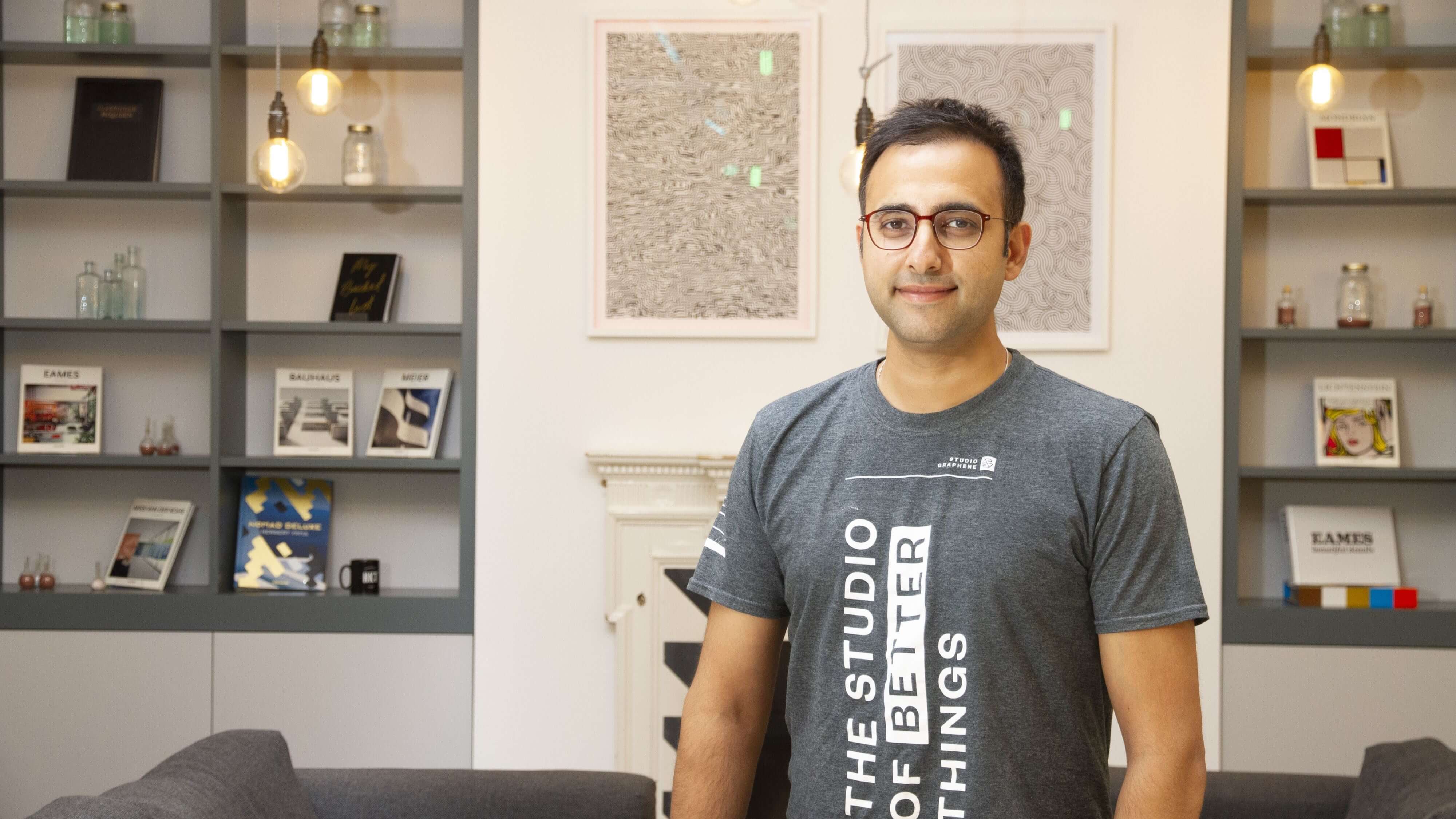
Ritam Gandhi is the founder and director of Studio Graphene.
Most read in Opinions
Trending articles on Opinions
Top articles on Minutehack


 Share article via email
What Makes Integration Work In The Digital Studio Market?
Thanks for signing up to Minutehack alerts.
Brilliant editorials heading your way soon.
Okay, Thanks!