Bank Of England Expected To Cut Interest Rates Again As Job Market Weakens
The Bank is widely tipped to lower interest rates to 4% this week, marking its fifth cut in a year.
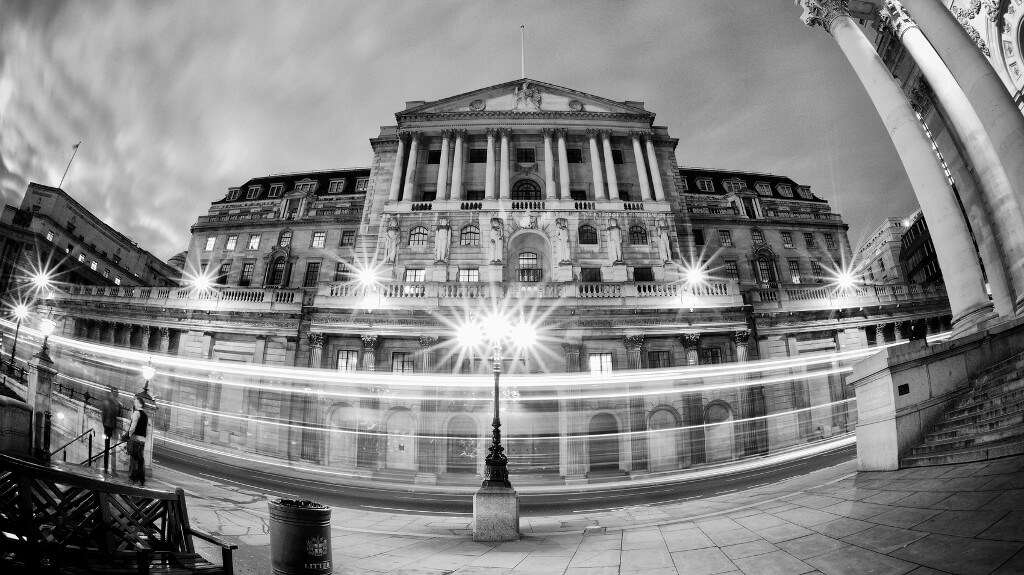
Borrowing costs are likely to fall again on Thursday as the Bank of England prepares to reduce interest rates in response to weak growth and rising unemployment.
Most economists expect the Bank’s Monetary Policy Committee (MPC) to cut the base rate by 0.25 percentage points to 4%. It would be the fifth reduction since last August, when rates began to come down from a peak of 5.25%.
A cut would ease some of the pressure on mortgage holders and could help unlock cheaper lending deals for homebuyers and businesses.
The decision comes amid signs that the UK economy is struggling to gain momentum. Official figures show that unemployment rose to 4.7% in the three months to May, the highest level in four years. Wage growth, excluding bonuses, also slowed to 5%, the weakest pace in nearly three years.
Bank of England Governor Andrew Bailey signalled earlier this month that the Bank was prepared to act if the jobs market continued to deteriorate. Additional data showing that the economy shrank in both April and May has added to the case for a rate cut.
Matt Swannell, chief economic adviser to the EY Item Club, said a cut now looks “almost certain” as the Bank responds to what he called a “sluggish” economy. He added that recent survey data points to rising labour costs and geopolitical uncertainty putting further pressure on business investment.
“With the MPC balancing signs of fragility in the labour market against evidence of lingering inflationary pressure, the committee will likely signal that further gradual interest rate cuts remain appropriate,” he said.
Sanjay Raja, senior economist at Deutsche Bank, said economic performance since May has fallen short of the MPC’s expectations. He noted that unemployment is higher, wage growth is weaker and redundancies remain elevated.
However, he also warned that the MPC faces a difficult decision. He expects a split vote among its nine members, with two preferring to hold rates at 4.25% and two opting for a more aggressive 0.5 percentage point cut.
Other analysts said they would be watching closely for signals from the Bank about the likely pace of future rate reductions, which remains uncertain.
Some policymakers may be concerned by the latest inflation figures, which showed prices rising at their fastest rate in 15 months in June, driven in part by food costs.



 Share article via email
Bank Of England Expected To Cut Interest Rates Again As Job Market Weakens
Thanks for signing up to Minutehack alerts.
Brilliant editorials heading your way soon.
Okay, Thanks!