Economic think tank Niesr says the Chancellor faces a tough budget this autumn, with tax rises increasingly likely.
Reeves Warned Tax Hikes Likely As £51bn Gap Opens In UK Public Finances
Economic think tank Niesr says the Chancellor faces a tough budget this autumn, with tax rises increasingly likely.
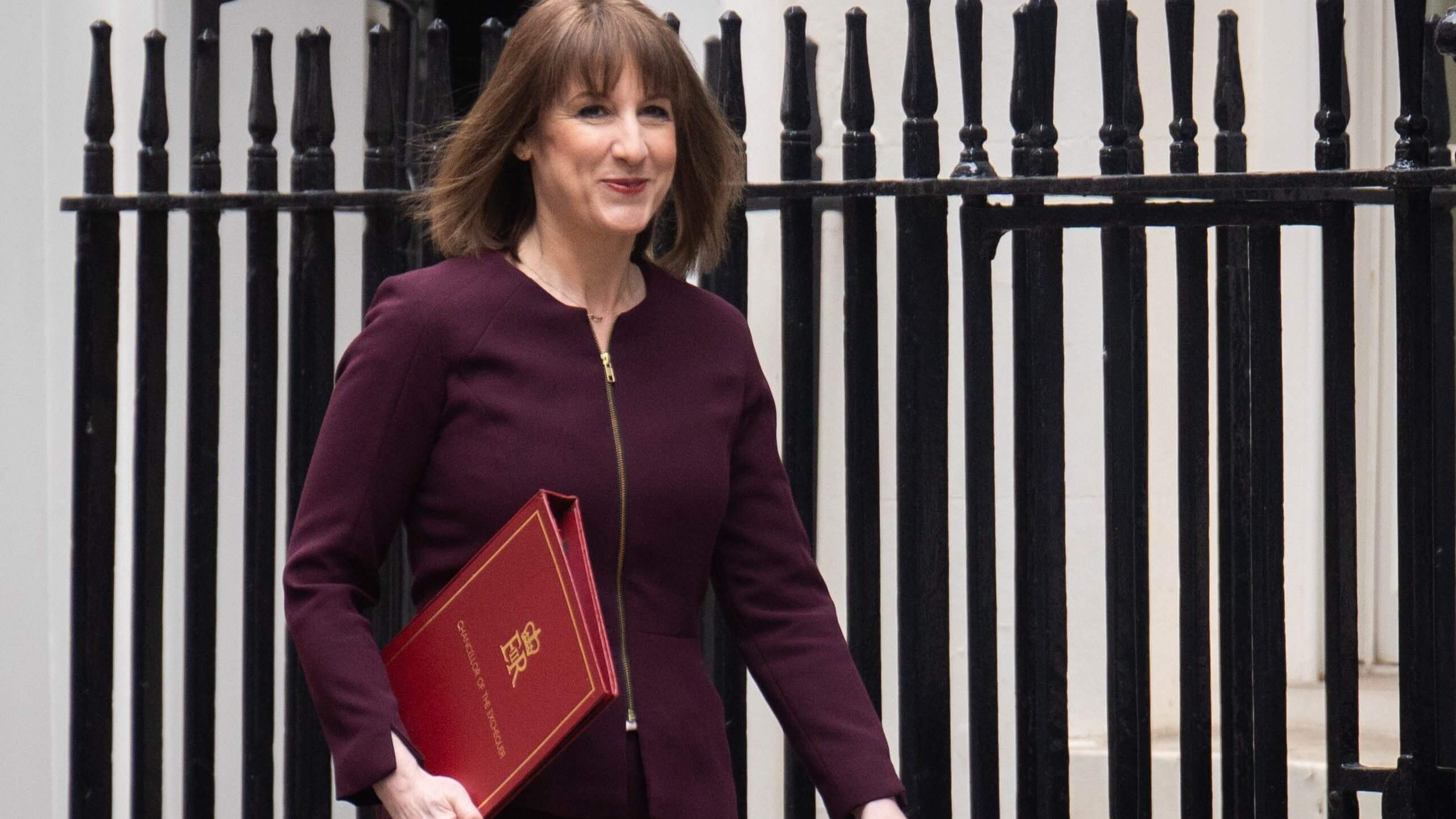
Chancellor Rachel Reeves may have to break her pledge not to raise taxes for working people, as a major economic think tank warned she faces a £51 billion shortfall in the public finances.
The National Institute of Economic and Social Research (Niesr) said a combination of weaker economic growth, rising borrowing and policy reversals have left a major gap that cannot be filled without “substantial adjustments” in the autumn budget.
In its latest forecast, Niesr said Reeves is on course to miss one of her fiscal rules by more than £41 billion by 2029–30. With the loss of an additional £10 billion fiscal buffer, it puts the total gap at over £51 billion.
The institute said the Chancellor faces an “impossible trilemma” of meeting her fiscal rules, maintaining public spending and sticking to Labour’s manifesto pledge not to raise taxes for working people.
To meet the shortfall, Niesr said the Government will likely need to pursue “moderate but sustained” tax increases or make cuts to public spending. It also suggested broader tax reform, including a review of council tax and a potential shift towards a land value tax.
Professor Stephen Millard, Niesr’s deputy director for macroeconomics, said: “Things are not looking good for the Chancellor, who will need to either raise taxes or reduce spending or both in the October budget if she is to meet her fiscal rules.”
Some economists believe the Chancellor may explore changes to tax thresholds or indirect tax reforms. Niesr said extending the freeze on income tax thresholds beyond 2028 could raise £8.2 billion, far short of what is needed. Raising the basic and higher rates of income tax by five percentage points would be required to close the full gap, it added.
Despite growing speculation, Culture Secretary Lisa Nandy ruled out a wealth tax, saying it would be the wrong approach at a time when the tax burden on working people is already high.
“We want to bring taxes down for people. We want to help support them and put money back into their pockets,” she said.
Niesr said building a stronger fiscal buffer was necessary to reassure financial markets and keep borrowing costs down. It warned that fiscal uncertainty could harm business confidence and consumer spending.
The Chancellor is bound by two fiscal rules. The first requires that day-to-day spending is matched by tax revenue, so borrowing is used only for investment. The second aims to reduce public sector debt as a share of the economy.
Shadow Chancellor Sir Mel Stride criticised Labour’s approach, saying: “Experts are warning Labour’s economic mismanagement has blown a black hole in the nation’s finances which will have to be filled with more tax rises – despite Rachel Reeves saying she wouldn’t be back for more taxes.”
Despite the warnings, Niesr slightly upgraded its forecast for UK growth in 2025 to 1.3%, up from 1.2% in May. However, it trimmed its 2026 prediction from 1.5% to 1.2%.
The think tank also expects inflation to remain higher than previously forecast, averaging 3.5% this year and easing to 3% by mid-2026.
Despite inflationary pressure, Niesr said it expects the Bank of England to continue cutting interest rates, forecasting a drop from the current 4.25% to 3.5% by early 2026.




 Share article via email
Reeves Warned Tax Hikes Likely As £51bn Gap Opens In UK Public Finances
Thanks for signing up to Minutehack alerts.
Brilliant editorials heading your way soon.
Okay, Thanks!