The Institute for Government says Labour’s stance on VAT, income tax and national insurance has boxed the Chancellor into piecemeal fixes rather than long-term reform.
Reeves Urged To Reverse ‘Rash’ Tax Commitments And Reform System By Think Tank
The Institute for Government says Labour’s stance on VAT, income tax and national insurance has boxed the Chancellor into piecemeal fixes rather than long-term reform.
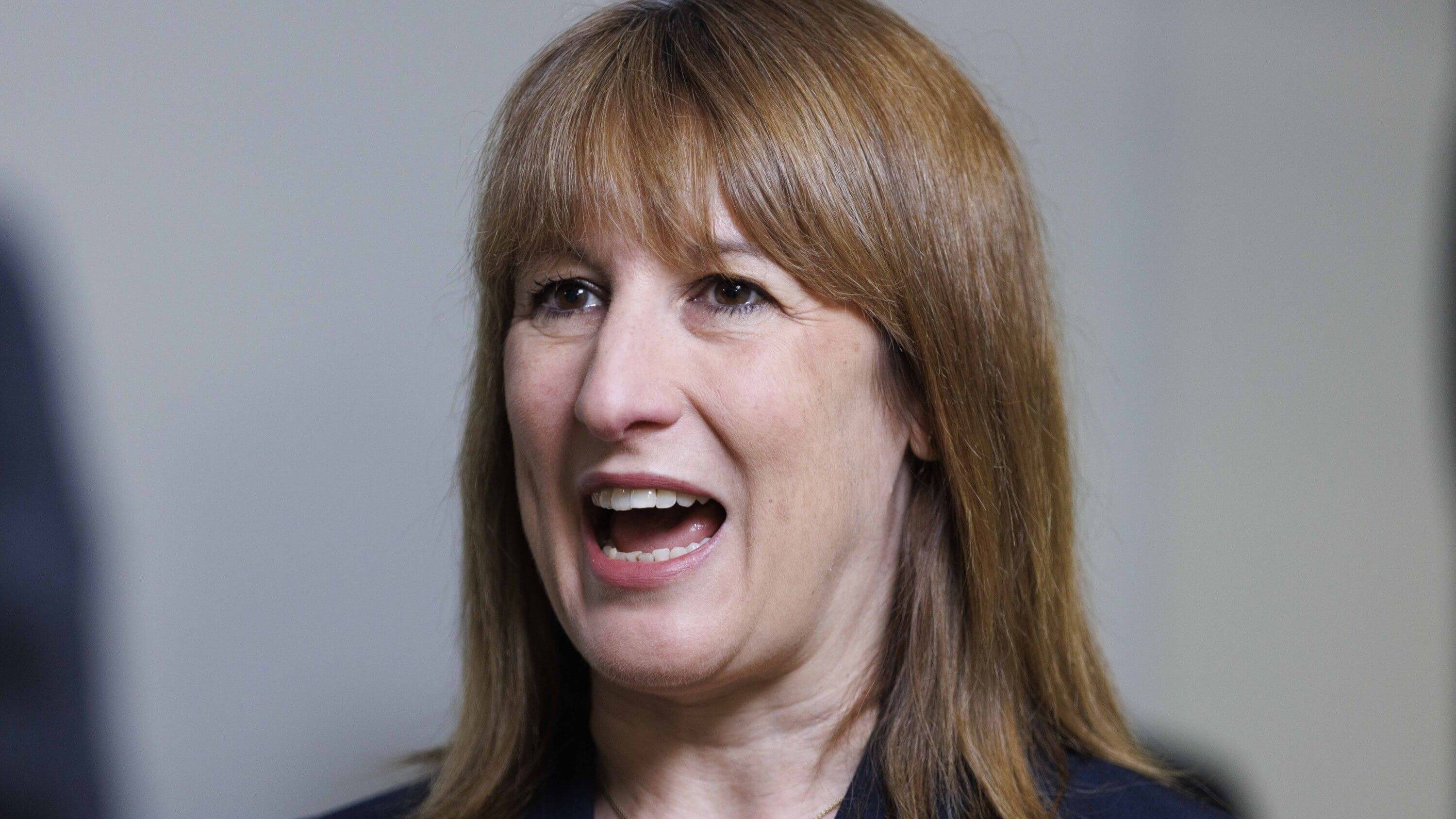
Rachel Reeves is facing calls to rethink Labour’s tax strategy as she prepares for her second Budget, with a leading think tank warning that rigid commitments not to raise VAT, income tax or national insurance could lead to short-term tinkering rather than structural reform.
The Institute for Government (IfG) said the Chancellor risked falling back on “piecemeal changes” and an “eclectic grab bag of tax raisers” that could complicate the system and undermine growth. Its report, 2025 Budget and Beyond, urged Reeves to “reject the path of least resistance” and set out a coherent tax strategy aligned with her wider economic goals.
Tom Pope, deputy chief economist at the IfG, said: “This autumn, the Chancellor finds herself in a difficult position. With tax rises all but inevitable, she should reject the path of least resistance, often taken by her predecessors, of raising taxes in an inconsistent way based on what seems easiest. Instead, now is the time to commit to tax reform and lay out an agenda on tax that fits with her broader growth objectives.”
The debate comes as the Resolution Foundation floated the idea of a 2p cut in national insurance matched by a 2p rise in income tax to create a “level playing field” between different forms of work and protect take-home pay.
The IfG report also cautioned that introducing a wealth tax would be politically and practically difficult, though it did not rule out broader reform of capital taxation.
The analysis is a reminder that fiscal policy is unlikely to stay still. Smaller firms may face shifts in business rates, capital gains, or sector-specific levies rather than headline hikes in income or VAT. Clarity and consistency on tax are vital for long-term planning, yet current signals suggest business owners should prepare for incremental changes that add to complexity.
In practice, founders and SMEs may need to build more flexibility into financial models, watch closely for “stealth” taxes that erode margins, and engage in the debate around reform to ensure the voice of smaller businesses is heard.





 Share article via email
Reeves Urged To Reverse ‘Rash’ Tax Commitments And Reform System By Think Tank
Thanks for signing up to Minutehack alerts.
Brilliant editorials heading your way soon.
Okay, Thanks!