Government borrowing hit £18bn in August, the highest for five years, fuelling warnings that chancellor Rachel Reeves will be forced to raise taxes in November.
Tax Rises At Autumn Budget ‘Inevitable’ After Borrowing Soars, Experts Warn
Government borrowing hit £18bn in August, the highest for five years, fuelling warnings that chancellor Rachel Reeves will be forced to raise taxes in November.
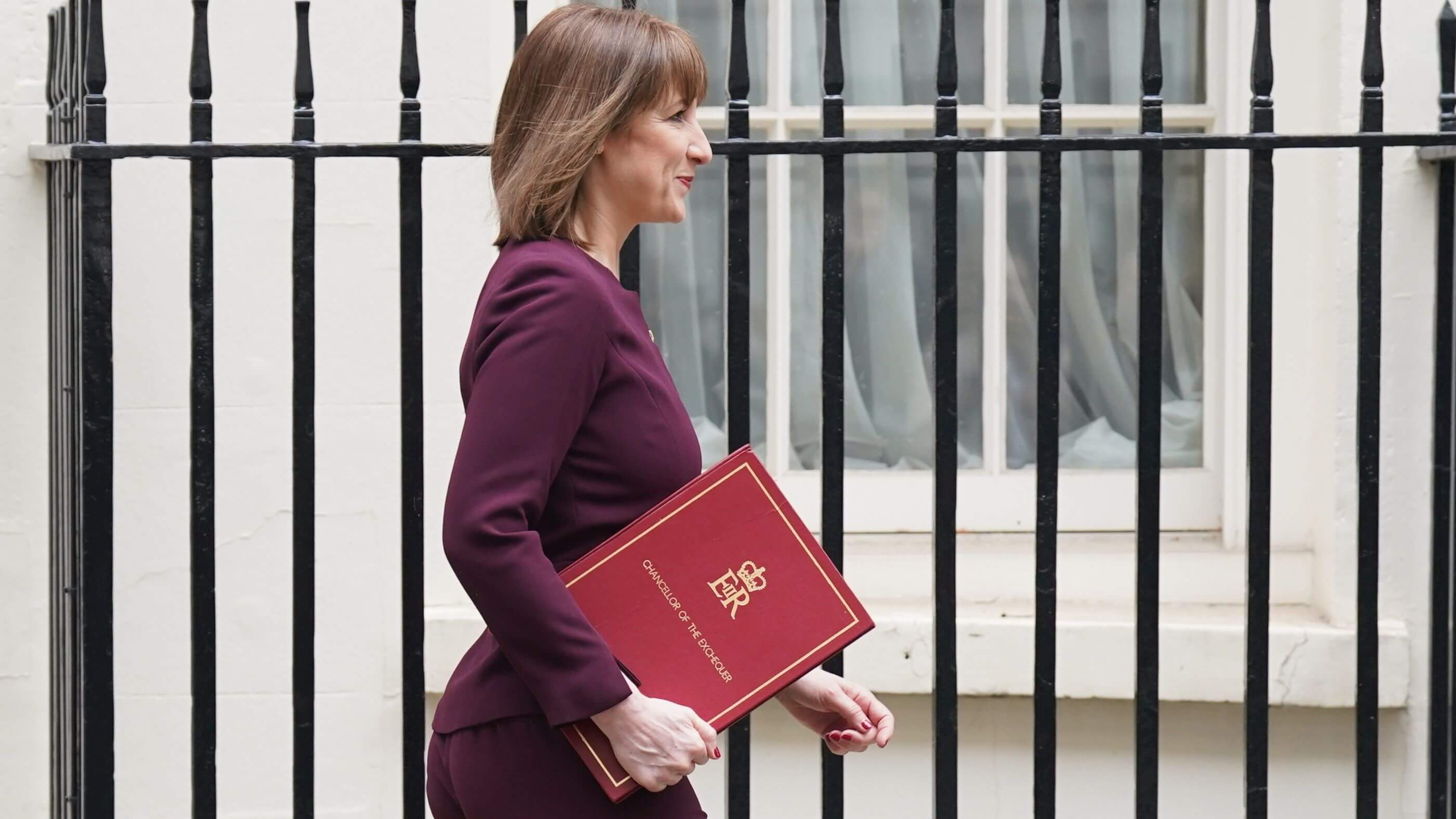
Rachel Reeves is under mounting pressure to raise taxes in her autumn Budget after fresh figures showed government borrowing surged to its highest August level in five years.
Data from the Office for National Statistics (ONS) revealed borrowing reached £18bn last month – £3.5bn higher than August 2024 and far above the £12.8bn expected by economists. The figure also overshot the Office for Budget Responsibility’s (OBR) March forecast by £5.5bn.
The rise was driven by soaring debt interest payments, up £1.9bn to £8.4bn, and higher spending on welfare and public services. These pressures more than offset additional revenues from April’s national insurance increase.
Revisions to earlier months also added nearly £6bn to recent borrowing figures, bringing the total for the first five months of the financial year to £83.8bn – £16.2bn more than the same period last year. Public sector net debt now stands at £2.91 trillion, equivalent to 96.4% of GDP, the highest ratio since the early 1960s.
Martin Beck, chief economist at WPI Strategy, said: “The £10bn buffer the Chancellor pencilled in against her key fiscal rule in March has almost certainly gone. That means tax rises in November look inevitable.” Elliott Jordan-Doak of Pantheon Macroeconomics added that Reeves may need to raise “more than the £20bn we had previously estimated,” likely through stealth taxes, duties and selective spending cuts.
The Treasury insisted it has a plan to restore stability. Chief secretary James Murray said: “Taxpayer money should be spent on the country’s priorities, not on debt interest. Our focus is on economic stability, ripping up needless red tape and putting more money in working people’s pockets.”
For entrepreneurs, the figures point to a tougher fiscal environment ahead. Businesses may face higher duties, reduced reliefs or sector-specific levies as the government seeks new revenue streams without breaking manifesto pledges on income tax, VAT or national insurance.
With borrowing costs climbing, fiscal tightening looks unavoidable, making efficiency, cashflow management and contingency planning critical for firms of all sizes.





 Share article via email
Tax Rises At Autumn Budget ‘Inevitable’ After Borrowing Soars, Experts Warn
Thanks for signing up to Minutehack alerts.
Brilliant editorials heading your way soon.
Okay, Thanks!