

Table of Contents
- Introduction
- The Role of Lobbyists in Policy Making
- Strategies Employed by Lobbyists
- The Revolving Door Phenomenon
- Case Study: Google's Lobbying Efforts
- Ethical Considerations and Transparency
- The Future of Lobbying in the Digital Age
- Wrap Up
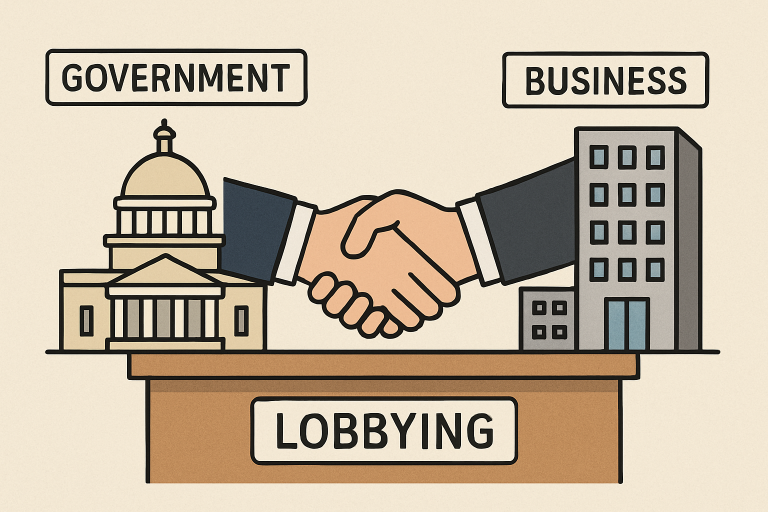
Lobbyists are essential players in the nexus of business and government, shaping laws and regulatory frameworks that ultimately affect everything from technology and energy to healthcare and financial markets. Acting as intermediaries, their work often goes unseen by the public eye, but their impact is undeniable. Prominent figures, such as Brian Ballard, exemplify how experienced lobbyists can influence policy discussions and offer unique perspectives to lawmakers.
In an era where public scrutiny of corporate influence is at an all-time high, understanding the mechanics of lobbying is more important than ever. Lobbyists inform, advocate for, and sometimes challenge the legislative process, making them crucial conduits for diverse interests, ranging from multinational corporations to grassroots movements.
The Role of Lobbyists in Policy Making
Lobbyists play a crucial role in facilitating communication between private stakeholders and public officials. Their primary task is to provide policymakers with timely, relevant information, research, and analysis that reflects their clients’ interests. By providing industry perspectives and technical data, lobbyists help ensure that a range of viewpoints is integrated into public policy, ultimately supporting a more informed legislative process.
Importantly, this dynamic helps promote a system where legislatures are not making decisions in a vacuum, but instead are equipped with insights from both sides of an issue. The work of lobbyists can range from complex regulatory environments, such as healthcare, to fast-evolving industries like technology, where the stakes are exceptionally high and the pace of change is relentless. Legislators, who often juggle dozens of pressing issues simultaneously, benefit from the expertise that lobbyists provide. This symbiotic relationship not only shapes policy but occasionally raises concerns of undue influence, necessitating greater transparency and oversight.
Strategies Employed by Lobbyists
Lobbyists draw from a versatile toolkit to influence outcomes. The effectiveness of any lobbying campaign hinges on matching the right tactics to the right situation:
- Direct Advocacy: Face-to-face meetings between lobbyists and lawmakers are a cornerstone of lobbying, allowing the presentation of data, analysis, and arguments tailored to legislative agendas.
- Grassroots Mobilization: Rallying public action leverages the democratic process, urging individuals to contact their representatives to demonstrate broad-based support or opposition to legislation.
- Coalition Building: Alliances with other advocacy groups or industries can substantially amplify the reach and influence of a lobbying campaign.
- Public Relations Campaigns: Utilizing traditional and digital media channels to shift public sentiment, subtly or overtly pressuring legislators to act in line with public opinion.
The Revolving Door Phenomenon
One of the more controversial aspects of the lobbying world is the “revolving door” phenomenon, which occurs when individuals transition between government roles and private sector positions in industries that are affected by public policy. This movement can raise questions of conflict of interest, with critics warning that it risks regulatory capture or favoritism. However, the revolving door can also be a source of technical and policy expertise. Former regulators or legislative aides often possess deep institutional knowledge, which can be invaluable to private organizations seeking to comply with or influence regulatory frameworks. Balancing the advantages of this expertise with strong ethical guidelines is an ongoing challenge for the lobbying profession.
Case Study: Google's Lobbying Efforts
Corporate lobbying is perhaps most visible when tech giants like Google engage with lawmakers over regulatory changes. In 2025, Google launched a sophisticated lobbying effort against California’s Assembly Bill 566, a law that requires web browsers to offer users the option to opt out of data sharing with third parties automatically. Google enlisted the Connected Commerce Council—a lobbying group it jointly funds with Amazon—to frame the debate as an existential threat to small businesses that rely on data-driven practices. This campaign involved mobilizing small business owners to contact legislators and mounting a broad awareness drive. Despite their involvement and significant resources devoted to the effort, the bill ultimately passed, illustrating how legislative outcomes can defy even the most well-funded lobbying pushes.
Ethical Considerations and Transparency
Questions around transparency and conflicts of interest remain at the forefront. Cases like those in Oregon, where weak disclosure laws have allowed lobbyists to represent conflicting interests without clear accountability, highlight the need for reform. More precise and rigorous disclosure requirements would bolster trust in the legislative process and ensure that lobbying is conducted openly and in the public interest.
Legislative efforts to strengthen oversight—both at the state and federal level—are ongoing and crucial in preventing abuse of the process and protecting the integrity of representation.
The Future of Lobbying in the Digital Age
The digital age is rapidly transforming the practice of lobbying, ushering in a new era of transparency and analytical power. Artificial intelligence tools are now capable of dissecting lobbying reports, uncovering patterns, and measuring the positions of interest groups with unprecedented speed and accuracy. These advances promise more robust insight into how influence is wielded—potentially enhancing both public awareness and regulatory responsiveness. As technology shapes the future of policymaking, the intersection between digital tools and lobbying will become increasingly central to the democratic process, demanding vigilant oversight and innovative transparency solutions.
Wrap Up
Understanding the mechanisms, motivations, and ethical considerations of lobbying allows citizens to engage more thoughtfully in the policymaking process. As technology reshapes advocacy and amplifies both influence and accountability, maintaining transparency and public oversight becomes paramount. In the years ahead, the balance between private interests and public good will define the credibility of modern lobbying—and, by extension, the integrity of democratic governance itself.
Most read in News
Trending articles on News
Top articles on Minutehack


 Share article via email
Behind The Scenes: How Lobbyists Bridge Business And Government Interests
Thanks for signing up to Minutehack alerts.
Brilliant editorials heading your way soon.
Okay, Thanks!