
Key Takeaways
- Regular cleaning helps reduce the spread of germs, resulting in fewer employee sick days.
- A clutter-free environment enhances focus and reduces stress among staff.
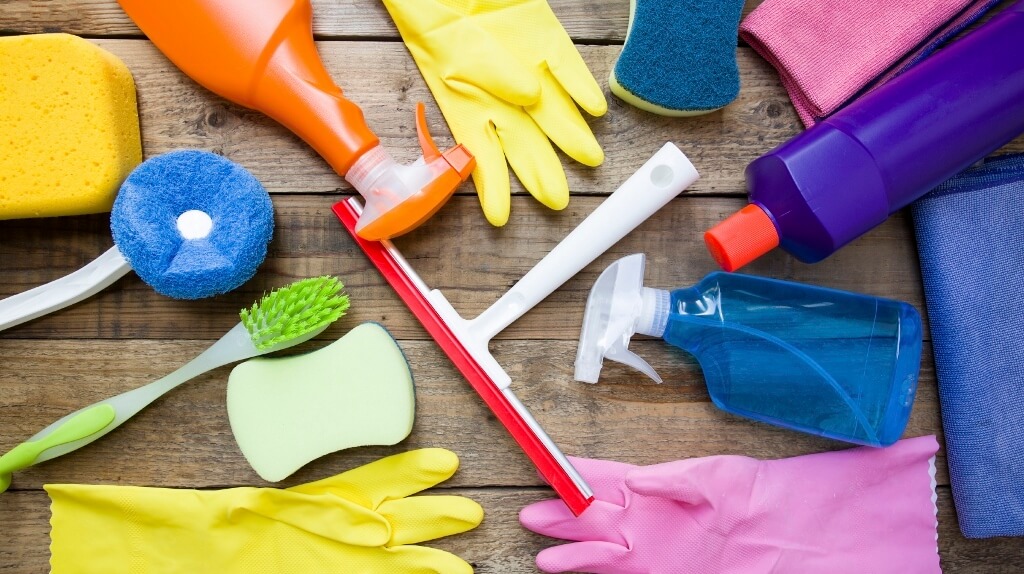
- Investing in quality cleaning supplies ensures adequate sanitation and safety.
- Encouraging personal responsibility among employees promotes a culture of cleanliness.
- Proper storage solutions help maintain organization and prevent clutter.
A clean and organized workspace is a catalyst for productivity, employee satisfaction, and overall business growth. Beyond appearances, cleanliness is tied directly to workplace health, influencing absenteeism and morale. Companies that consistently prioritize clean environments experience noticeably fewer disruptions from illness and reduced workplace stress. Partnering with professionals in office cleaning services can give businesses a strategic edge by ensuring that every corner is hygienic, safe, and welcoming.
Incorporating practical, daily cleaning habits empowers teams to maintain organization amid their busy routines. These efforts, paired with a culture of accountability, demonstrate to employees that their health and well-being are valued. In turn, focusing on a cleaner workplace supports creativity and sharpens focus, underpinning higher productivity and a happier workforce.
Prioritize Regular Cleaning Schedules
Establishing a consistent cleaning schedule is the backbone of a healthy workspace. High-touch surfaces such as door handles, keyboards, elevator buttons, and shared workstations must be sanitized daily to curb the spread of bacteria and viruses throughout the office. The CDC provides detailed guidance on when and how to clean and disinfect a facility, helping businesses adopt effective hygiene practices. Adhering to strict cleaning and hygiene protocols can slash employee sick days by up to 46%, directly impacting business continuity and staff well-being. Regular cleaning routines should be documented and monitored to ensure accountability across the team.
Encourage Personal Responsibility
A clean workspace is a collective effort, where every employee plays a part. Encouraging staff to take ownership of their personal areas—by discarding unused items, tidying after meals, and routinely wiping down their desks—promotes an environment of respect and pride. When employees see their managers leading by example, a sense of shared responsibility blossoms, reducing friction and elevating workplace morale. This approach not only keeps offices looking their best but also creates a community invested in mutual well-being.
Invest in Quality Cleaning Supplies
Effective cleaning depends on the right tools and products. Choosing high-quality cleaning supplies not only ensures thorough sanitation but also protects the health of everyone in the office. It's crucial in high-traffic areas such as kitchens and restrooms, where harmful contaminants can otherwise linger. By investing in trusted products, business owners reinforce their commitment to safety, and high-quality supplies also tend to be more efficient and longer-lasting, making them a sensible and cost-effective choice for long-term operations.
Provide Adequate Storage Solutions
Organization starts with smart storage. Offices lacking appropriate filing cabinets, shelving, and storage bins often become cluttered quickly, which hinders productivity and morale. Providing ample storage ensures every item has its place, transforming chaos into order. Not only does this make the workspace more inviting, but it also helps avoid the frustration of misplaced files and supplies. Implementing innovative storage solutions—like digital document management alongside physical storage—can streamline workflows and further boost operational efficiency.
Seek Feedback
The most effective cleanliness strategies are not just top-down mandates—they’re informed by the experiences of everyone in the workplace. Encourage employees to offer feedback about areas needing improvement, overlooked spots, or concerns about current cleaning processes. Open communication lays the foundation for continuous improvement in cleanliness standards, demonstrating that management values employee input.
Promote a Culture of Cleanliness
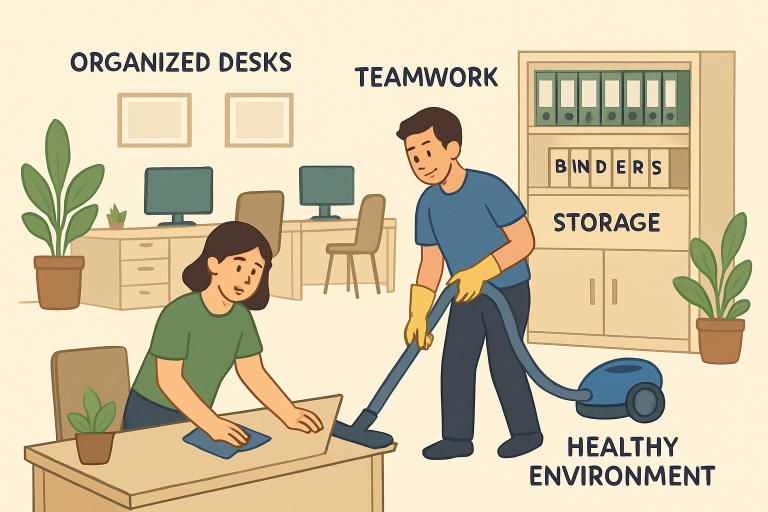
A culture that values cleanliness serves as the cornerstone of a positive and productive office environment. This ethos begins at the leadership level, where business owners and managers model and reinforce good habits—sanitizing common areas, keeping their own spaces organized, and ensuring that supplies are readily available to all. Shared responsibility and pride in the environment foster collaboration, reduce conflict over shared spaces, and enhance team spirit.
Implement Eco-Friendly Cleaning Practices
Integrating green cleaning products and practices not only benefits the environment but also safeguards indoor air quality and employee health. Switching to eco-friendly supplies reduces exposure to harsh chemicals and demonstrates a commitment to sustainable business operations. Employees increasingly value sustainability in their workplaces, and investing in environmentally friendly products can boost morale and attract top talent.
Regularly Evaluate and Update Cleaning Protocols
The workplace—and the standards for cleanliness—are constantly evolving. Regularly reviewing and updating cleaning protocols is essential to ensure ongoing compliance with health regulations and to adapt to new threats or needs, such as seasonal illnesses or changes in office capacity. Soliciting feedback from staff, examining new technologies, and staying up-to-date with industry best practices enable businesses to stay ahead and maintain a safe, productive environment for everyone.
Embracing these straightforward habits and protocols transforms a tidy office into a hub of health, pride, and productivity. A clean workspace isn’t just a reflection of your company’s values—it’s a strategic asset that advances every aspect of your business and the lives of your employees.
Most read in News
Trending articles on News
Top articles on Minutehack


 Share article via email
Cleaner Workspaces, Healthier Lives: Simple Habits For Every Business
Thanks for signing up to Minutehack alerts.
Brilliant editorials heading your way soon.
Okay, Thanks!