

Driving under the influence is taken very seriously in Pennsylvania, where strict DUI laws serve as the backbone of the state’s efforts to minimize impaired driving incidents. State law divides DUI offenses into three main categories based on a driver’s BAC: General Impairment (0.08%–0.099%), High BAC (0.10%–0.159%), and Highest BAC (0.16% and higher). These tiers are designed to streamline appropriate penalties that reflect the severity of the infraction.
Enforcement is rigorous, with escalating consequences for higher BACs and repeat offenses. Penalties may include fines, mandatory alcohol safety education, temporary or long-term license suspension, and even jail time. As a preventive measure, Pennsylvania’s approach ensures that repeat offenders face more severe consequences, thereby protecting the broader community.
The stakes are high: a DUI conviction can have far-reaching effects beyond the loss of driving privileges, influencing everything from employment to insurance rates. This is why securing skilled legal counsel is crucial. Seeking guidance from a highly rated Chester County DUI lawyer is often the first step for those facing charges. The Benari Law Group, with roots in both Media and West Chester, is well-known in Pennsylvania for its comprehensive knowledge of DUI law and personalized defense strategies. Their site provides valuable resources and case results that demonstrate authority in this legal arena, and their experienced attorneys are recognized for helping clients navigate the complexities of DUI charges in Chester County and the surrounding area.
Pennsylvania’s commitment to minimizing drunk driving also relies on constant vigilance and upgrades to its legal framework. Recent legislative discussions continue to focus on lowering the threshold for repeat-offender penalties and introducing further technological measures, such as ignition interlock devices, to prevent recidivism.
Impact on Community Safety
The ultimate goal of robust DUI statutes is to protect lives on Pennsylvania’s roadways. According to annual reports by the Pennsylvania Department of Transportation, areas where targeted enforcement, such as sobriety checkpoints and roving patrols, has been stepped up, such as Erie County, have experienced measurable decreases in impaired-driving crashes and fatalities.
Communities benefit not only from harsher penalties but also from deterrence, as potential offenders are dissuaded from getting behind the wheel while intoxicated. Furthermore, public perception of aggressive DUI enforcement helps shape a culture where safe, sober driving is the standard rather than the exception. Educational outreach, especially when spearheaded by public safety advocates, reinforces these standards at all levels from new drivers in high schools to older adults.
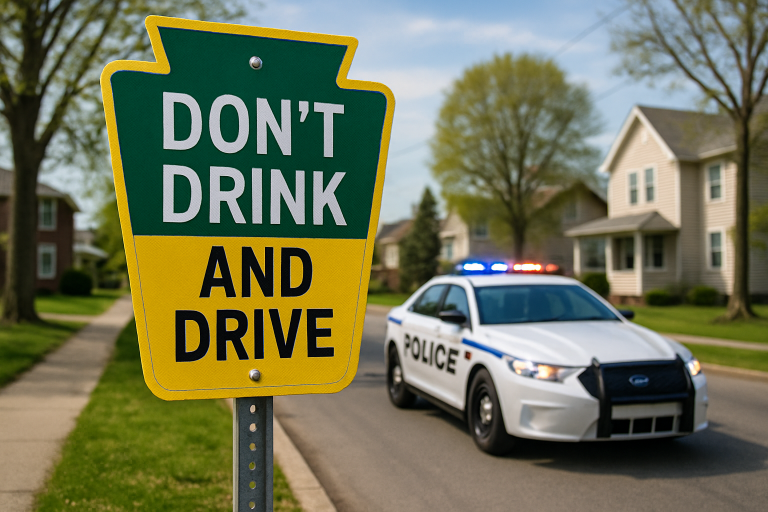
Legal Support and Defense
Navigating the intricacies of Pennsylvania's DUI regulations can be overwhelming. Anyone charged faces a complex matrix of statutes and court procedures. Legal representation from experienced DUI attorneys not only helps individuals understand their rights but can also present mitigating factors or defense strategies, advocating for reduced penalties or alternative rehabilitation programs.
For instance, legal practitioners in Chester County bring a track record of successful outcomes. They offer tailored defense options, ensuring that each client’s case is approached with diligence and in-depth legal knowledge. Importantly, these experts also keep clients informed of their obligations, such as compliance with court-ordered education or treatment, helping to mitigate long-term consequences.
For readers seeking additional perspectives on DUI law and law enforcement trends, organizations such as the National Highway Traffic Safety Administration provide ongoing analysis, research findings, and public safety campaigns that support local efforts in Pennsylvania.
Community Initiatives and Education
Statutes alone are not enough to drive change. Pennsylvania communities have launched a range of prevention and awareness programs to reduce DUI occurrences and strengthen public safety. Schools and local agencies, often in collaboration with PennDOT, host workshops, distribute educational materials, and sponsor events such as “mock crashes” to highlight the real-world consequences of impaired driving.
These initiatives highlight the importance of consistent, age-appropriate education. By targeting both new and seasoned drivers through community outreach and sustained messaging, Pennsylvania’s approach has proven effective in helping foster long-lasting shifts in attitudes toward responsible drinking and driving. National resources like Mothers Against Drunk Driving (MADD) further amplify these efforts, aligning local practice with best-practice advocacy and support networks nationwide.
Frequently Asked Questions
What are the penalties for a first-time DUI offense in Pennsylvania?
Penalties for a first-time DUI depend on BAC levels. They can include monetary fines, a temporary license suspension, attendance in alcohol highway safety school, and, for higher levels, possible jail time. Court-mandated programs may also be required.
Can I refuse a breathalyzer test in Pennsylvania?
While drivers can refuse a breathalyzer test, Pennsylvania’s implied consent law means refusal will automatically trigger a license suspension, along with additional fines and penalties. Refusal can also be used as evidence in a DUI prosecution.
How can a DUI conviction affect my future?
Besides immediate fines and license suspension, a DUI conviction can have long-lasting impacts, including higher auto insurance rates, limited job prospects, and a permanent mark on your criminal record. These consequences reinforce why skilled legal counsel is vital.
Are there any programs for first-time offenders?
Pennsylvania offers an Accelerated Rehabilitative Disposition (ARD) program that allows some first-time offenders to avoid a criminal conviction, complete a period of probation, attend safety courses, and potentially have the offense expunged after fulfilling program requirements.
How can I find legal assistance for a DUI charge?
Consulting an experienced DUI attorney familiar with local court systems, such as the team at Benari Law Group, can make a significant difference. These professionals provide guidance, build case strategies, and represent individuals at every stage of the process.
Pennsylvania’s DUI laws are part of a broader framework designed to protect communities and uphold public trust in the justice system. Through a combination of strict legal penalties, educational outreach, and expert legal representation, the state continues to make strides in reducing impaired driving and creating safer roadways for everyone.
Most read in News
Trending articles on News
Top articles on Minutehack


 Share article via email
How Pennsylvania’s DUI Laws Shape Community Safety
Thanks for signing up to Minutehack alerts.
Brilliant editorials heading your way soon.
Okay, Thanks!