
Phishing is one of the most prevalent threats organizations face in the interconnected digital age. As attacks become more advanced and frequent, businesses are seeking more innovative ways to defend against them. Implementing a phishing simulation program has rapidly gained popularity as a pivotal tactic in workplace cybersecurity awareness.
A phishing simulation is more than just a test—it's a dynamic training opportunity that allows employees to experience first-hand the latest tactics used by cybercriminals. These programs emulate the sophisticated techniques of genuine attacks, offering a safe environment for users to identify and respond to threats. For organizations aiming to prevent costly breaches, real-time phishing simulations are becoming a best practice for instilling a vigilant, responsive cybersecurity culture.
As organizations evolve, so do phishing attacks. Emerging technologies such as artificial intelligence, social engineering, and deepfakes make it even harder for traditional defense mechanisms to keep up. In this landscape, the ability to test defenses and reinforce human vigilance is a critical layer in an organization’s overall security strategy.
Establishing a culture where cybersecurity isn’t just the IT department’s responsibility but a shared mission requires ongoing engagement and adaptive learning tools. Real-time phishing simulations meet this need by providing timely feedback that shapes behavior, transforming employees into a proactive line of defense.
The Evolution of Phishing Attacks
Phishing has undergone a dramatic transformation over the past decade. Early attacks relied on generic emails with poor grammar and suspicious links. Today, attackers deploy meticulously crafted messages that target specific individuals or organizations, leveraging publicly available information from social media and organizational websites. According to the Cybersecurity and Infrastructure Security Agency, advanced phishing campaigns can involve spear phishing, business email compromise, and even AI-assisted scams that mimic real colleagues or executives.
Modern phishing exploits increasingly rely on polymorphic techniques—attack tactics that continually change to bypass security filters. AI-powered schemes can quickly adapt, generating new messages that are almost indistinguishable from legitimate communications. This constant evolution makes it imperative for organizations to train their workforce to recognize the subtle cues of social engineering, well beyond the basics.
The Role of Real-Time Phishing Simulations
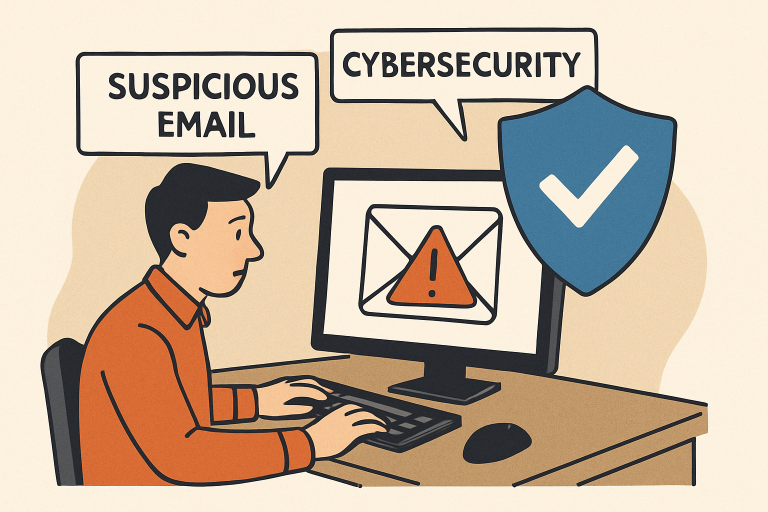
Real-time phishing simulations play a crucial role in helping staff recognize and mitigate new threats before they can cause harm. By deploying simulations that closely resemble current, real-world attacks, companies can safely expose employees to realistic risks. This experiential learning method helps people develop a practical intuition for spotting threats—a skill that theoretical modules often fail to achieve. These programs give security teams clear insights into which users or departments may need additional support or targeted training.
Benefits of Real-Time Feedback
Immediate feedback is key to reinforcing positive security behaviors. When employees participate in phishing simulations, timely responses—such as pop-up messages or follow-up micro-lessons—allow them to learn from mistakes and solidify new knowledge while the experience is still fresh.
Studies show that real-time feedback increases the retention and application of learned skills, leading to measurable improvements in organization-wide security posture. For example, experimental deployments of real-time training have increased accurate phishing recognition from roughly 75% to upwards of 86%, contributing to an overall reduction in risk.
Implementing Effective Phishing Simulations
Building a robust phishing simulation program involves several key steps:
- Customize Scenarios: Simulations should be tailored to mimic threats that are specific to your industry and business processes. This enhances relevance and exposes employees to attack vectors they are most likely to encounter.
- Provide Immediate Feedback: Use embedded prompts and micro-training to correct missteps or reinforce correct identification as soon as an employee takes action on a simulation.
- Ensure Continuous Training: Rotate the type, timing, and complexity of simulated attacks to keep the workforce alert and engaged year-round.
- Measure Progress: Track metrics such as response accuracy, time to report phishing attempts, and the reduction of repeated errors. Use this data to refine training and demonstrate ROI to stakeholders.
Challenges and Considerations
Despite the clear benefits, real-time phishing simulation programs also present particular challenges:
- Employee Trust: Programs should be transparent and positioned as supportive tools, not punitive tests. Transparency in communications and obtaining employee buy-in are crucial to retention and a positive security culture.
- Training Fatigue: Overloading employees with too many simulations can lead to disengagement. Varied and balanced campaigns help maintain interest and learning momentum.
- Resource Commitment: Success depends on investing in training platforms, scenario development, and regular updates in response to evolving threats.
Organizations should periodically seek employee feedback on the simulation experience to address concerns, enhance participation, and adapt campaigns to specific workforce needs.
Conclusion
Simulated phishing exercises play a vital role in building and maintaining a strong cybersecurity mindset. By allowing employees to encounter common attack scenarios safely and immediately see the consequences of their actions, organizations turn staff into proactive defenders of digital security. Ongoing, adaptive training not only lowers the chances of successful phishing attacks but also fosters a workplace culture where secure habits are deeply ingrained.
Assessing the outcomes of these simulations helps pinpoint areas where further education is needed, enabling more targeted training. Over time, this forward-thinking strategy shifts security awareness from a reactive duty to a natural part of everyday work. In the long run, such practices enhance both individual alertness and the organization’s overall ability to withstand cyber threats.
Key Takeaways:
- Real-time phishing simulations significantly enhance employee awareness and reduce susceptibility to cyber threats.
- Continuous and adaptive training programs are essential for maintaining a resilient cybersecurity culture.
- Integrating real-time feedback into simulations fosters immediate learning and behavioral change.
Most read in News
Trending articles on News
Top articles on Minutehack


 Share article via email
How Real-Time Phishing Simulations Are Shaping Cybersecurity Culture
Thanks for signing up to Minutehack alerts.
Brilliant editorials heading your way soon.
Okay, Thanks!