

Key Takeaways
- Reliable abrasive blasting depends on planning surface quality, containment, airflow, media handling, safety, and cleanup as a single, integrated process.
- Dust control begins with enclosure design and ventilation, not solely with personal protective equipment.
- The right abrasive must suit the substrate, coating condition, required profile, recovery method, and waste plan.
- Routine inspections help prevent nozzle wear, poor visibility, media contamination, leaks, and inconsistent results.
Abrasive blasting can remove corrosion, strip coatings, clean welds, and prepare a surface for a durable coating system. But directing abrasives at a part is only one stage of the work. The finished result also depends on the condition of the substrate, the work area, ventilation, recovery, operator protection, and inspection before coating.
For facilities evaluating an engineered approach, Airblast AFC Media Blast is a useful reference point. Airblast AFC is a joint venture between AFC Finishing Systems and Airblast Eurospray that provides engineered blast rooms, dust collection, media recovery, portable blast equipment, installation, sales, and support throughout North America. Its experience serving sectors such as aerospace, defense, marine, rail, oil and gas, transport, and energy makes the brand relevant when a blasting workflow needs to be designed as a complete surface-preparation system rather than a collection of separate machines.
Why The Full Workflow Matters
A weak step in blasting can create problems well beyond the blast nozzle. Inadequate containment can spread dust into nearby operations. Poor airflow can reduce visibility and leave fine particles suspended after blasting stops. Contaminated recovered media can slow cleaning and affect the final surface. Skipping inspection can lead to coating adhesion problems, rework, or early corrosion.
The goal is to create a repeatable sequence: define the surface requirement, select the media, control dust, recover usable abrasive, protect workers, inspect the finished surface, and maintain the equipment that supports every stage.
Step 1: Define The Surface Preparation Goal
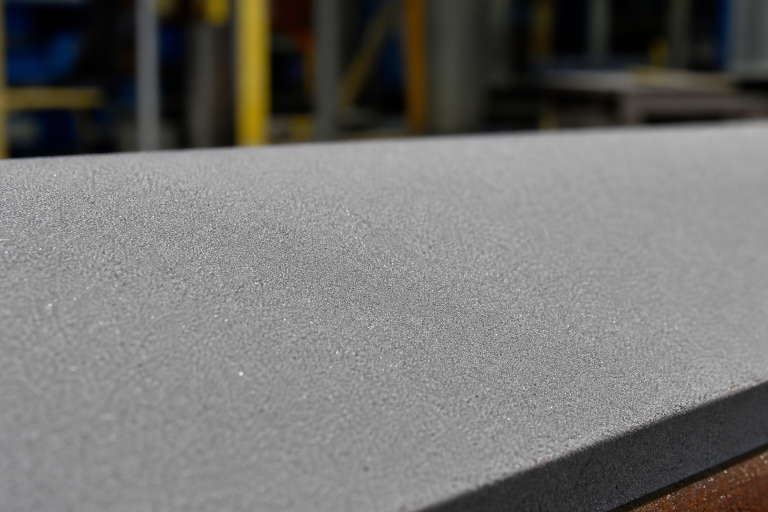
Start by documenting what the job must accomplish. "Clean metal" is not specific enough for a production workflow. Identify whether the goal is rust removal, coating removal, weld cleaning, a specified surface profile, or preparation for a particular primer or topcoat.
- Identify the base material, such as carbon steel, stainless steel, aluminum, or cast material.
- Review the existing coating, corrosion, oil, salts, or other contamination.
- Confirm the required cleanliness standard and surface profile with the coating specification.
- Record pre-blast conditions with notes, photos, or inspection forms.
Step 2: Match The Abrasive To The Job
Abrasive selection affects cleaning speed, profile depth, dust generation, media life, recovery needs, and disposal costs. Steel shot and steel grit may fit enclosed, reclaiming systems. Aluminum oxide and garnet can provide aggressive cutting action. Glass bead may be appropriate where a gentler finish is needed. No single medium is right for every substrate or coating system.
- Choose media that will not damage or contaminate the substrate.
- Match media size and shape to the required cleaning rate and profile.
- Determine whether the abrasive can be economically recovered and reused.
- Review hazards associated with both the abrasive and the material being removed.
- Plan for waste characterization and disposal before blasting begins.
Step 3: Build Dust Control Into The Work Area
Effective dust control combines enclosure integrity, directed airflow, exhaust ventilation, dust collection, access design, and cleanup practices. Fine particles may remain airborne after visible blasting ends, so the system should provide adequate time for clearance before workers open the enclosure or begin inspection.
The OSHA abrasive blasting ventilation standard provides a useful starting point for U.S. operations. It addresses inward airflow at enclosure openings, dust collection, equipment maintenance, respiratory protection, and the need to clear dust-laden air before opening a blast enclosure.
Step 4: Treat Media Recovery As Part Of Production
Media recovery should be designed into the workflow before the first shift starts. Floor recovery systems, vacuums, separators, screens, air washes, and labeled storage containers can reduce waste while keeping reusable media separate from dust, paint chips, rust, and broken abrasive.
- Recover media with minimal disturbance to settled dust.
- Separate reusable abrasive from fines and debris before returning it to service.
- Keep recovered media dry and clearly labeled.
- Remove worn, contaminated, or moisture-affected media from circulation.
- Track media consumption to identify leaks, overblasting, or recovery losses.
Step 5: Use A Layered Safety Plan
Personal protective equipment matters, but it is the last layer of protection, not the only one. Isolation, engineered ventilation, safer media choices, guarded equipment, and controlled access reduce exposure before an operator relies on a helmet, respirator, gloves, or protective clothing.
NIOSH guidance on abrasive blasting hazards and controls reinforces the importance of controlling airborne dust and protecting workers from respiratory hazards. Operators should inspect breathing-air connections, hoses, couplings, whip checks, footwear, hearing protection, and protective garments before each shift. Unprotected workers should remain outside the controlled area, and contaminated dust should never be dispersed with compressed-air blowdown.
Step 6: Connect Blasting To Coating Readiness
A surface can appear clean and still be unsuitable for coating. Dust, oil, moisture, soluble contamination, flash rust, or the wrong surface profile can compromise adhesion. Before coating, inspect and document surface cleanliness, profile, visible dust, residue, temperature, humidity, and the relationship between surface temperature and dew point.
Step 7: Create A Short Maintenance Routine
Daily Checks
- Inspect hoses, fittings, couplings, and nozzle condition.
- Check blast pressure, airflow, visibility, and dust collector operation.
- Remove collected dust safely and inspect the work area before the next shift.
Weekly Or Monthly Checks
- Inspect filters, ductwork, seals, doors, curtains, lighting, and recovery points.
- Review media quality, recovery rate, labor use, and material consumption.
- Test emergency stops, interlocks, and other safety devices according to the facility schedule.
Common Workflow Mistakes To Avoid
- Choosing abrasives based only on purchase price.
- Continuing to use worn nozzles without checking pressure and flow.
- Opening the enclosure before the exhaust system has cleared the air.
- Mixing reusable abrasive with waste instead of separating it.
- Use dry sweeping or compressed air to clean contaminated dust.
- Skipping profile, dust, or environmental checks before coating.
- Relying on respirators while overlooking weak enclosure and ventilation controls.
Conclusion
A safer, cleaner blasting workflow comes from treating the operation as a connected system. Clear surface goals guide abrasive selection. Effective containment and ventilation protect people and production. Media recovery reduces waste. Maintenance supports reliable performance, and final inspection protects coating quality. Reviewing these steps together can help a blasting operation improve visibility, consistency, safety, and long-term surface-preparation results.
Most read in News
Trending articles on News
Top articles on Minutehack


 Share article via email
How To Plan A Safer, Cleaner Abrasive Blasting Workflow In 2026
Thanks for signing up to Minutehack alerts.
Brilliant editorials heading your way soon.
Okay, Thanks!