
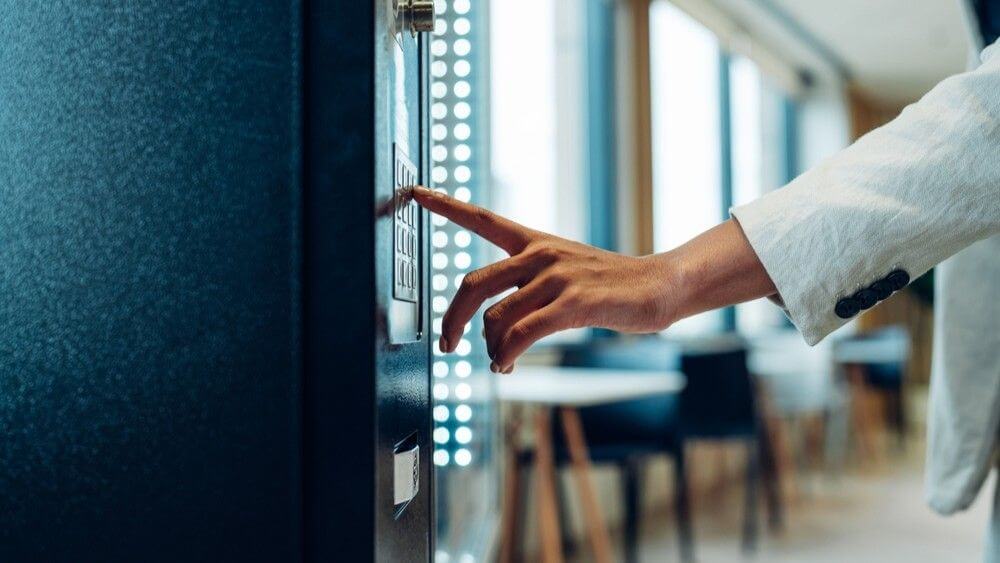
The evolution of vending machines mirrors the remarkable advances in technology and the growing consumer expectations, making these devices a pivotal part of today’s fast-paced, on-the-go lifestyle. What used to be simple dispensers for snacks and drinks have now become sophisticated, technologically advanced systems that offer a high level of customization, prioritize sustainability, and provide a broader range of products than ever before.
With an ever-expanding range of features and greater adaptability, vending machines are no longer limited to traditional settings; they are appearing in airports, offices, hospitals, schools, and even remote locations. Businesses are rapidly adapting to meet consumer demand, integrating advanced solutions such as the SkyTop Vending coffee service to carve out a niche in a fiercely competitive market. The following discussion delves deeper into the game-changing trends currently shaping the vending machine landscape and offers insights into the ways vending technology is redefining retail and consumer experiences.
Modern consumers expect speed, variety, and health-conscious offerings, which has resulted in a dramatic transformation of vending machines. Not only is convenience essential, but users also want personalized service and choices that meet dietary habits, sustainability objectives, and lifestyle preferences. Technological innovation now enables everything from individualized recommendations to fully cashless and touchless transactions, creating frictionless purchasing while reducing common frustrations, such as incorrect change or unresponsive buttons. Enhanced digital displays, interactive menus, and real-time inventory updates help guide user choices and streamline the purchasing process. This surge in convenience and personalization is not only elevating the user experience but is also reshaping how people interact with automated retail on a daily basis.
With eco-friendly design now central to industry development and new business models steadily arising, the vending machine industry is becoming an integral aspect of smart city planning and progressive office spaces. Operators are increasingly leveraging modular technology, cloud connectivity, and digital integration, enabling seamless performance data collection, remote troubleshooting, and rapid stock replenishment. These advancements are expanding the potential for vending machines to meet the ever-changing and varied demands of today’s consumers. At the same time, operators and manufacturers are increasingly mindful of energy consumption and product waste, emphasizing corporate social responsibility in their strategies.
AI-Powered Personalization
Artificial intelligence is at the heart of the rapid transformation seen in modern vending machines. By intelligently harnessing customer data such as purchase history, demographic information, time of interaction, and real-time usage patterns, AI-driven vending machines are able to provide uniquely personalized recommendations at the point of sale. For example, in a university setting, AI can prompt students to bring healthy study snacks during exam periods or suggest quick caffeinated beverages when it detects high demand in the early morning hours. In an office building, the system can learn which snacks are most popular during afternoon breaks and highlight those options. This deep level of personalization increases user satisfaction, drives repeat business, and helps vending operators optimize stock management for high-turnover or trending items, reducing waste and increasing profits.
With AI, vending machines can also make recommendations based on dietary restrictions or previous selections. For example, a machine could suggest a gluten-free protein bar to a user who previously purchased gluten-free items. Some systems are even experimenting with mood-detection software, using cameras or sensors to tailor suggestions further. As explored by Forbes, the adoption of artificial intelligence is pushing the boundaries of automation in retail and encouraging a more interactive, engaged consumer experience than was previously possible with static, impersonal systems.
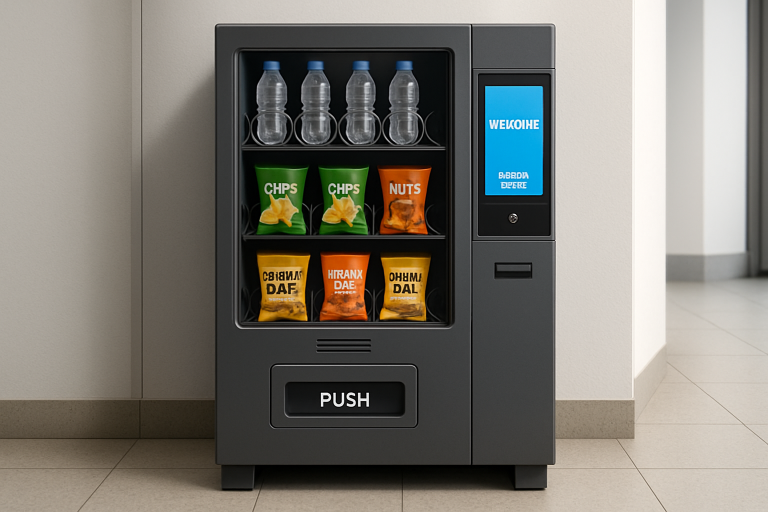
Cashless and Touchless Transactions
The global shift toward cashless payment systems is unmistakable, and vending machines are at the forefront of this societal movement. Instead of coins and bills, consumers can now rely on credit cards, mobile wallets, contactless payments via smartphones or wearables like watches and rings, and even cryptocurrencies to make their purchases. The convenience and security offered by these versatile payment options ensure a smooth, rapid transaction and appeal especially to technologically savvy users and younger generations who are accustomed to digital solutions in every aspect of their lives.
In addition, the rise of touchless technology was accelerated by heightened global awareness of health and hygiene, particularly in the aftermath of the COVID-19 pandemic. Modern vending machines can now be operated via voice command, QR code scanning, or motion sensors, reducing or eliminating the need for physical contact altogether. This approach not only minimizes the spread of germs and viruses but also boosts customer confidence when using public devices. Touchless payment and selection systems are expanding accessibility, providing a better experience for individuals with mobility or dexterity challenges. This dual trend of cashless and touchless technology not only improves the user experience but also supports operational efficiency, reduces the risk of theft and vandalism, and reduces maintenance costs.
Health-Conscious Offerings
The demand for nutritious, wholesome snacks continues to reshape vending machine inventories everywhere. No longer just a last resort for sugary sodas or salty chips, today’s machines offer items such as protein shakes, fresh fruit packs, low-sugar or high-protein snacks, gluten-free, vegan, and allergen-friendly products. Some machines even dispense salads, yogurt parfaits, and smoothies kept perfectly chilled until purchase. With health and wellness trends on the rise, particularly since the pandemic, stocking better-for-you products has been shown to boost machine usage and satisfaction, especially in locations like gyms, hospitals, schools, and workplaces that aim to promote a healthy environment.
This evolution reflects broader changes across the food industry, showing that consumers now expect to find products that cater to dietary restrictions and specific nutrition goals in places where such choices once seemed impossible. The ability to quickly scan nutrition facts or ingredient lists on a touchscreen encourages more informed decision-making on the go. Healthier selections can also help combat the negative stigma historically attached to vending machines, repositioning them as allies in supporting wellness rather than obstacles to it.
Sustainability and Eco-Friendly Designs
Businesses and municipalities are increasingly recognizing their responsibility to reduce environmental impact through their operations. Modern vending machines are now built with energy-saving LED lighting, advanced refrigeration systems with efficient compressors, and smart sensors that optimize power consumption, activating cooling or lighting only when necessary. Many manufacturers now design machines with recyclable or reusable components, and some offer customers incentives to use reusable containers or return packaging for recycling.
Some innovative machine providers are trialing solar-powered vending units in outdoor areas such as city parks and event venues, further minimizing their carbon footprint and operating on clean, renewable energy. These eco-friendly solutions are particularly appealing to younger, more environmentally conscious customers and also help organizations align with broader corporate social responsibility goals. These advances are helping organizations meet sustainability benchmarks and can be a key selling point when negotiating business-to-business vending contracts.
Modular and Customizable Machines
Modularity is transforming the logistics and economics of vending machines by giving operators the freedom to tailor solutions to precise locations, events, or customer bases. Machines can now be equipped with specialized compartments for refrigerated drinks, room-temperature snacks, frozen desserts, or even electronics and personal care items, all within a single cohesive unit. This level of adaptability grants unprecedented flexibility, enabling machines to be reconfigured to meet changing needs or accommodate seasonal products.
In high-traffic areas such as airports, stadiums, or college campuses, regularly refreshing machine offerings and configurations can drive impulse purchases, maximize visibility for promotional products, and reduce product spoilage. Modularity also streamlines the restocking process, making it quicker and more cost-effective, and allows operators to test and rotate product mixes easily to identify what works best for each environment.
Reverse Vending Machines
Reverse vending machines (RVMs) are proactively advancing environmental stewardship and closing the loop in the product lifecycle. Rather than dispensing snacks or beverages for payment, these devices accept empty cans, bottles, and other recyclables from users and reward them with discounts, digital credits, or cash refunds. Reverse vending technology streamlines recycling logistics, helping communities and cities significantly reduce landfill waste while educating and motivating the public to participate in recycling programs.
These machines have become especially popular in countries with established bottle deposit laws, serving as a visible and effective reminder of the positive impact that everyday recycling efforts can have on the environment. Installing RVMs in stores, malls, and public transportation hubs also makes recycling more convenient, thereby encouraging higher participation rates.
Integration with Mobile Apps
Integration with mobile applications is taking the vending experience to a new level, elevating convenience and increasing both customer and operator engagement. Through custom apps, users can easily locate nearby vending machines, browse real-time product availability, place advance orders to ensure their selections aren’t sold out, and even track their purchase or reward histories. Push notifications inform users about newly launched products or special discounts, strengthening brand loyalty and encouraging repeat visits.
Additionally, mobile app integration allows for machine performance monitoring and streamlined maintenance alerts, reducing downtime and ensuring shortages are addressed quickly. For businesses, the ability to remotely manage machine operations means improved efficiency, better customer service, and higher profitability, making mobile integration a valuable tool for the vending industry.
Conclusion
The vending machine industry is entering an exciting new era marked by customization, digital integration, and a growing commitment to sustainability. Enhanced convenience, health-focused selections, eco-friendly engineering, and smarter systems are sweeping away the limitations of previous generations and making vending machines a vital component of the fast-paced routines of modern life. As the industry continues to innovate and respond to emerging consumer demands, vending machines are poised to play an even greater role in the future of automated retail, serving as both a practical convenience and a showcase of technological potential.
Most read in News
Trending articles on News
Top articles on Minutehack


 Share article via email
Innovative Trends in Modern Vending Machines
Thanks for signing up to Minutehack alerts.
Brilliant editorials heading your way soon.
Okay, Thanks!