
Economy
‘No Buy Year’ Trend Raises Concerns For Independent Retailers As Spending Tightens
Capital on Tap warns prolonged budgeting challenges could strain small firms’ cash flow in 2026.
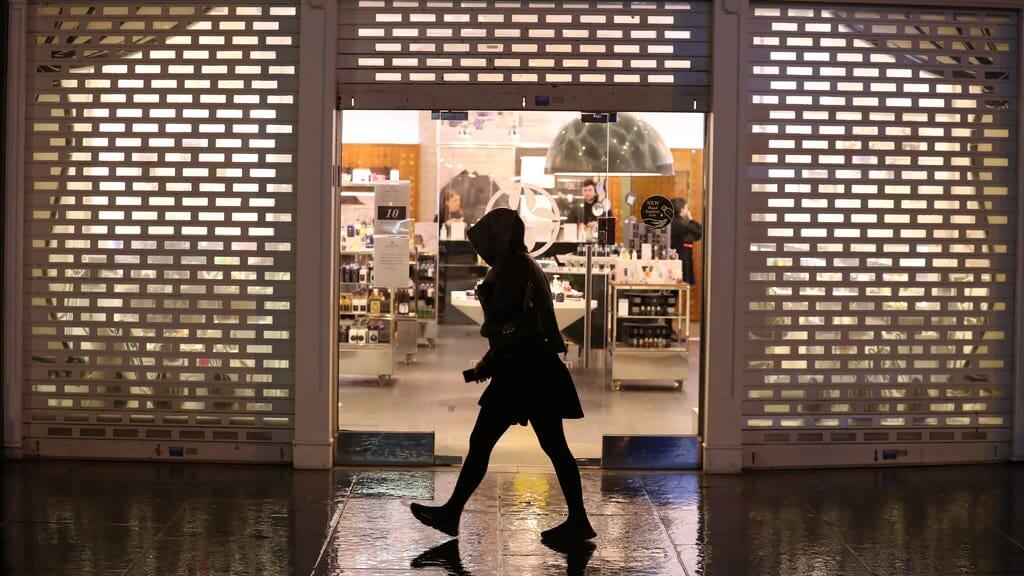
A growing number of UK consumers are extending post-Christmas budgeting efforts into year-long spending freezes, prompting concerns among small businesses about the impact on discretionary sales.
After the popularity of “No Spend January”, more households are now committing to a “No Buy Year”, limiting non-essential purchases in a bid to rebuild financial resilience. While the movement is helping consumers regain control of their finances, business advisers warn it could create prolonged pressure for independent retailers.
Research and commentary from Capital on Tap suggest that the shift towards sustained spending restraint may weigh on smaller firms, which lack the financial buffers of larger chains.
“No Spend January” encourages participants to avoid discretionary spending for a month, focusing only on essentials such as food, rent and transport. The trend has gained momentum on platforms such as TikTok, where users share savings goals and progress. Many are now extending this approach into low-buy or no-buy commitments lasting much of the year.
Common rules include cutting out takeaway coffees, avoiding purchases in categories such as clothing and beauty, and setting strict weekly spending limits.
Judith Oatley, founder of Mai Joie Botanicals, said the trend was already changing customer behaviour.
“Conscious budgeting can be positive when it encourages people to spend with intention rather than impulse,” she said. “But even a short pause in consumer spending can significantly affect cash flow, product launches and long-term planning for small businesses.”
Ms Oatley said she was seeing customers become more selective rather than stop spending entirely. “People are buying fewer, better-made products and paying more attention to value and longevity,” she said. “That’s reinforced the importance of clear communication around quality rather than chasing volume.”
Kamilla Fernandes-Pickett, marketing and communications senior manager at Capital on Tap, said extended spending slowdowns made financial planning increasingly important for SMEs.
“Periods like No Spend January and a No Buy Year make careful forecasting and cash flow management critical,” she said. “Even short-term declines can disrupt day-to-day operations.”
She advised firms to monitor cash flow closely, delay non-essential spending and consider flexible funding options where appropriate. Short-term credit lines, overdrafts and business credit cards, she said, could help bridge temporary gaps during quieter periods.
Ms Fernandes-Pickett also urged businesses to align marketing and product launches with peak spending periods, while strengthening customer engagement during slower months through loyalty schemes and storytelling around sustainability and craftsmanship.
“Sales can’t rely on volume alone,” she said. “Highlighting uniqueness and long-term value is increasingly important.”
Industry observers say the rise of long-term spending challenges reflects broader pressures on household finances, including high living costs and economic uncertainty. While consumers are becoming more cautious, experts believe the trend may also accelerate a shift towards more thoughtful, values-driven purchasing.
“Trends like No Spend January don’t have to be a setback,” Ms Fernandes-Pickett said. “Businesses that plan ahead, manage cash flow carefully and connect meaningfully with customers can remain resilient even when spending slows.”
For many independent retailers, however, the coming year is likely to test their ability to adapt as frugal habits become more deeply embedded in consumer behaviour.
Most read in News
Trending articles on News
Top articles on Minutehack


 Share article via email
‘No Buy Year’ Trend Raises Concerns For Independent Retailers As Spending Tightens
Thanks for signing up to Minutehack alerts.
Brilliant editorials heading your way soon.
Okay, Thanks!