
Apartment living is rapidly evolving as renters seek more than just basic shelter. This transformation reflects a broader trend toward residences designed for flexibility, social interaction, and environmental responsibility. Luxury one and two bedroom apartments in Austin are leading this shift, offering thoughtfully designed layouts that blend comfort, style, and modern amenities. In a landscape shaped by remote work and changing priorities, apartment communities are introducing features that foster convenience and well-being. Smart devices, top-tier security measures, and multi-functional spaces address both the tech-savvy and the community-minded. As renters become more selective, property managers are adopting innovations that prioritize residents’ health, safety, and social lives within these thoughtfully designed spaces.
Smart Home Technologies
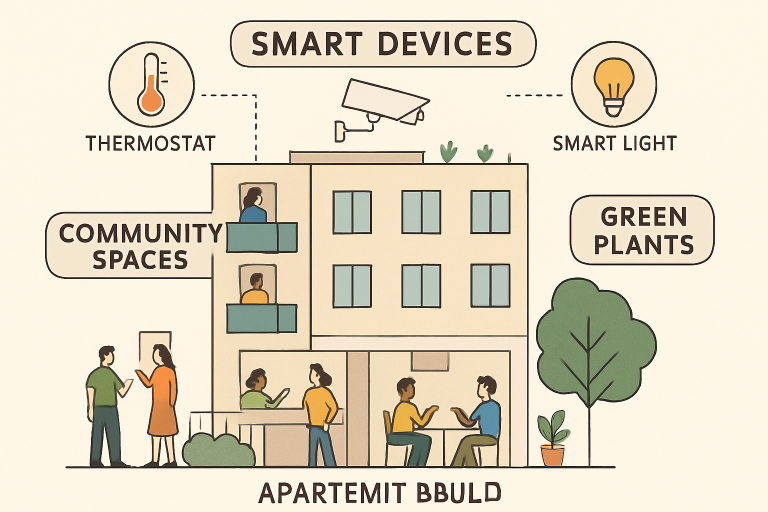
Smart home innovation is at the forefront of apartment living, transforming the way residents interact with their homes. Features like Wi-Fi-enabled thermostats, automated lighting, and voice-controlled systems enable individuals to fine-tune their environments at any time. According to The Spruce’s guide to smart homes, these technologies allow residents to control lighting, climate, and security from a single interface, making daily life more convenient and efficient. Adjusting temperatures remotely prevents wasted energy when units are empty, and smart lighting systems can adapt to residents' routines, reducing utility costs and carbon footprints. These advances are no longer limited to luxury developments—they are increasingly common in mainstream apartment communities. Smart technology integration not only streamlines daily activities but also promotes sustainability. Energy-monitoring devices and programmable power outlets encourage conscientious use, while app-based controls provide real-time feedback. Such technologies support the growing desire among renters for convenient, eco-friendly solutions.
Enhanced Security Features
Safety and peace of mind are critical factors in residents’ decision-making processes. Advanced security features, such as keyless entry, smart locks, security cameras, and mobile access controls, are addressing this demand head-on. Modern apartment complexes use surveillance systems in shared areas, and residents can use their smartphones to monitor package deliveries or grant visitors entry. These solutions strengthen both personal and community security, directly addressing concerns raised by almost half of all apartment residents. Building-integrated alarms and dedicated security teams further support the safety of residents and their guests. Combined with rapidly advancing digital access features, these upgrades are reshaping expectations for urban apartments—often turning enhanced security from a competitive advantage into a necessity for new developments nationwide. Safety-friendly architecture is also becoming more prevalent, with improved lighting, visible sightlines, and controlled-access elevators that deter unauthorized entry. As these innovations continue to evolve, residents can feel increasingly confident that their homes are protected by both innovative technology and thoughtful design.
Community-Focused Amenities
Residents no longer view their apartments as purely private sanctuaries; they increasingly seek well-rounded communities offering opportunities for connection and socialization. Shared amenities such as rooftop lounges, outdoor kitchens, co-working hubs, and state-of-the-art fitness centers build a sense of camaraderie and belonging. Properties that create inviting communal spaces find that residents are more likely to engage with neighbors, participate in community events, and enjoy a higher overall quality of life.
The trend toward curated community events and shared experiences is redefining what it means to rent in a multifamily property. Leasing offices now double as coffee bars and collaboration spaces, cultivating an environment where people can connect both professionally and personally. This approach supports well-being and helps residents make the most of their living environments.
Sustainable Living Practices
With sustainability top of mind for many renters, apartments are adopting eco-friendly practices such as solar energy systems, efficient appliances, advanced recycling programs, and green roofs. These initiatives not only appeal to environmentally conscious residents but also reduce utility bills and operating costs for property managers. Developers are investing in low-emission materials, rainwater harvesting, and native landscaping to minimize their environmental impact. The emphasis on green living extends into residents’ daily routines, with convenient access to recycling bins and bicycle storage. The presence of electric vehicle charging stations and energy-efficient infrastructure is quickly becoming a renting priority for anyone looking to reduce their ecological footprint.
Flexible and Functional Spaces
The explosion of remote work and hybrid schedules has driven demand for versatile design in apartment living. Floor plans are evolving to include adaptable spaces that can serve as home offices by day and guest quarters at night. Movable walls, built-in desks, and convertible furniture offer unmatched flexibility, maximizing every square foot. Fitness corners and yoga alcoves further expand the possibilities within even modest layouts.
Residents expect their homes to flex around their lifestyles. By making multifunctional, efficient use of limited space, modern apartments help renters feel more comfortable and productive, regardless of how their day-to-day needs may shift. This shift toward adaptable interiors also allows renters to personalize their living environment without sacrificing functionality. As a result, apartments that prioritize flexible design are quickly becoming top choices for today’s dynamic, remote-enabled workforce.
Conclusion
The evolution of apartment living is transforming the rental market, creating dynamic, resident-centered communities. By adopting innovative technologies, robust security measures, engaging amenities, and sustainable initiatives, today’s apartments go far beyond traditional housing. These focus areas set a new benchmark for urban living, ensuring that residents experience not just comfort but also a true sense of belonging, adaptability, and environmental stewardship. As these trends continue to shape multifamily housing, renters can expect future developments to be even more tech-forward, sustainable, and community-oriented—responding directly to the priorities of a new generation of urban dwellers.
Key Takeaways
- Smart home technologies enhance convenience and energy efficiency.
- Advanced security features address residents' safety concerns.
- Community-focused amenities foster social connections and well-being.
- Sustainable practices appeal to eco-conscious renters.
Most read in News
Trending articles on News
Top articles on Minutehack


 Share article via email
Smart Apartment Living: Modern Amenities And Community Trends
Thanks for signing up to Minutehack alerts.
Brilliant editorials heading your way soon.
Okay, Thanks!