
With weeks to go before the filing deadline, advisers warn that leaving tax returns until late January risks penalties, errors and higher costs.
Business
Tax Advisers Urge Early Action As Self-Assessment Deadline Looms
With weeks to go before the filing deadline, advisers warn that leaving tax returns until late January risks penalties, errors and higher costs.
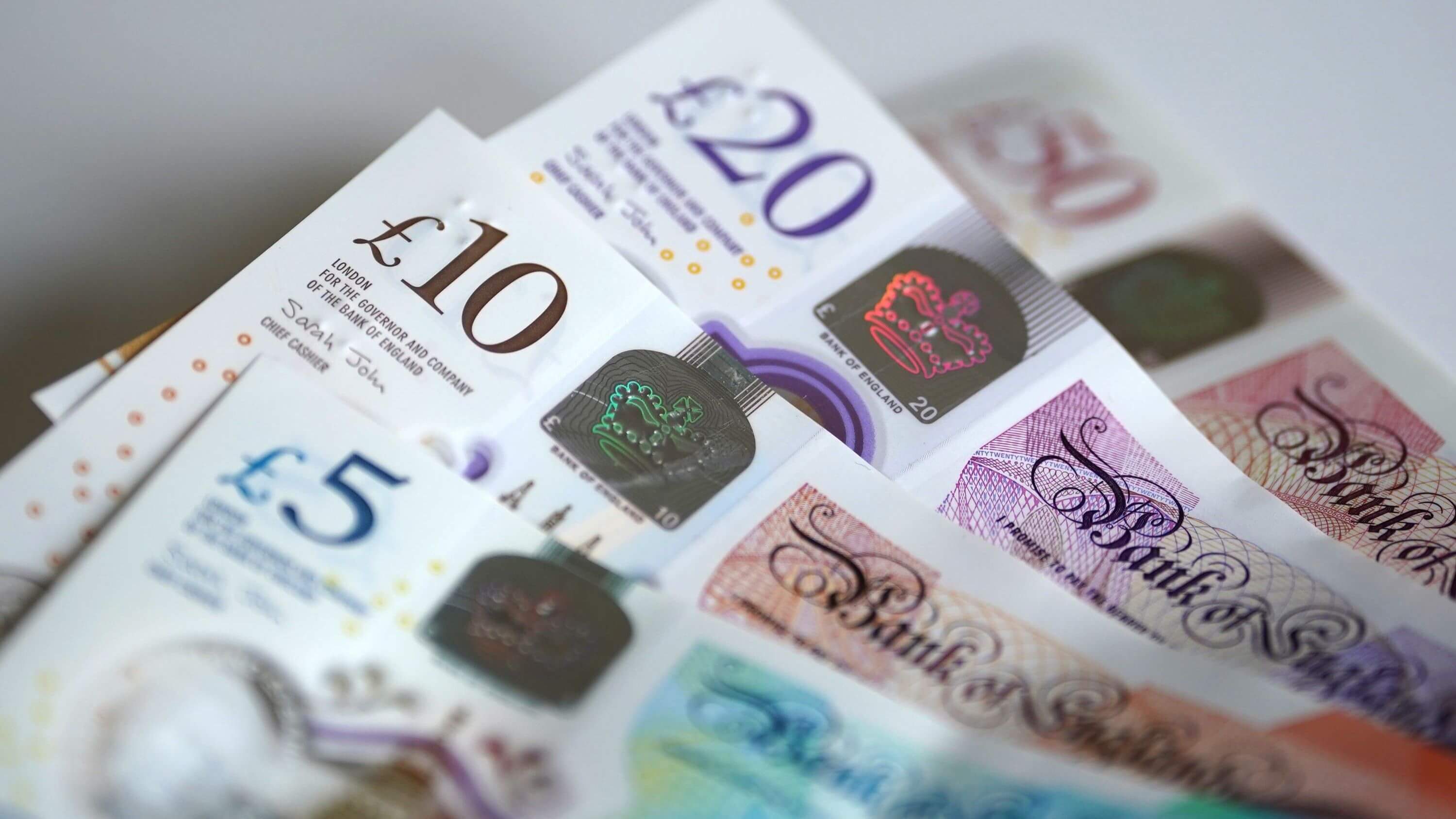
Tax advisers are urging taxpayers to act quickly as the 31 January self-assessment deadline approaches, warning that delays could lead to penalties, missed reliefs and avoidable interest charges.
With less than a month remaining to file returns for the 2024–25 tax year, BDO said many individuals underestimate both the time needed to prepare an accurate return and the consequences of missing the deadline. Anyone who files late faces an automatic £100 penalty, with further daily charges applying after three months and escalating again at six and 12 months. Interest on unpaid tax is also charged at a rate four percentage points above the Bank of England base rate, increasing the cost of delay.
Advisers say the risks are particularly acute for first-time filers, who must register with HM Revenue & Customs in advance to obtain a Unique Taxpayer Reference. That process can take up to two weeks, leaving little margin for error if left until late January.
The warning comes as more people fall within the self-assessment net due to additional income streams. Side businesses, online trading, overseas property income and gains on cryptoassets have all expanded in recent years, bringing new reporting obligations. Digital platforms are now required to share user income data with HMRC, increasing the likelihood that undeclared earnings will be identified.
Elsa Littlewood, a tax partner at BDO, said many taxpayers still underestimate the scope of what must be declared. “People often assume that income earned outside a main job, or overseas, is either too small to matter or already reported elsewhere,” she said. “In reality, HMRC expects full disclosure, and the data available to it is becoming far more comprehensive.”
Littlewood added that early filing also gives taxpayers time to check entitlements to reliefs that can significantly reduce bills. Pension contributions, charitable donations made under Gift Aid and certain childcare arrangements can all affect final liabilities, but must be claimed correctly. In some cases, pension contributions can also help individuals avoid the high income child benefit charge or the withdrawal of personal allowances.
For those unable to pay in full by the deadline, HMRC’s Time to Pay scheme allows debts of up to £30,000 to be spread over monthly instalments, provided arrangements are made promptly. Higher amounts require direct negotiation with the tax authority.
Tax specialists say that while the deadline itself is fixed, the real cost of delay often lies in rushed returns, missed reliefs and avoidable stress. As Littlewood put it, starting early “reduces the risk of mistakes, gives people options if they cannot pay immediately, and avoids the financial and psychological pressure that builds at the end of January.”


Most read in News
Trending articles on News
Top articles on Minutehack


 Share article via email
Tax Advisers Urge Early Action As Self-Assessment Deadline Looms
Thanks for signing up to Minutehack alerts.
Brilliant editorials heading your way soon.
Okay, Thanks!