
Food prices edged higher in December, reinforcing expectations that inflation will prove slow to ease through 2026.
Economy
Inflation Pressures Expected To Persist Into 2026, Retail Data Suggests
Food prices edged higher in December, reinforcing expectations that inflation will prove slow to ease through 2026.
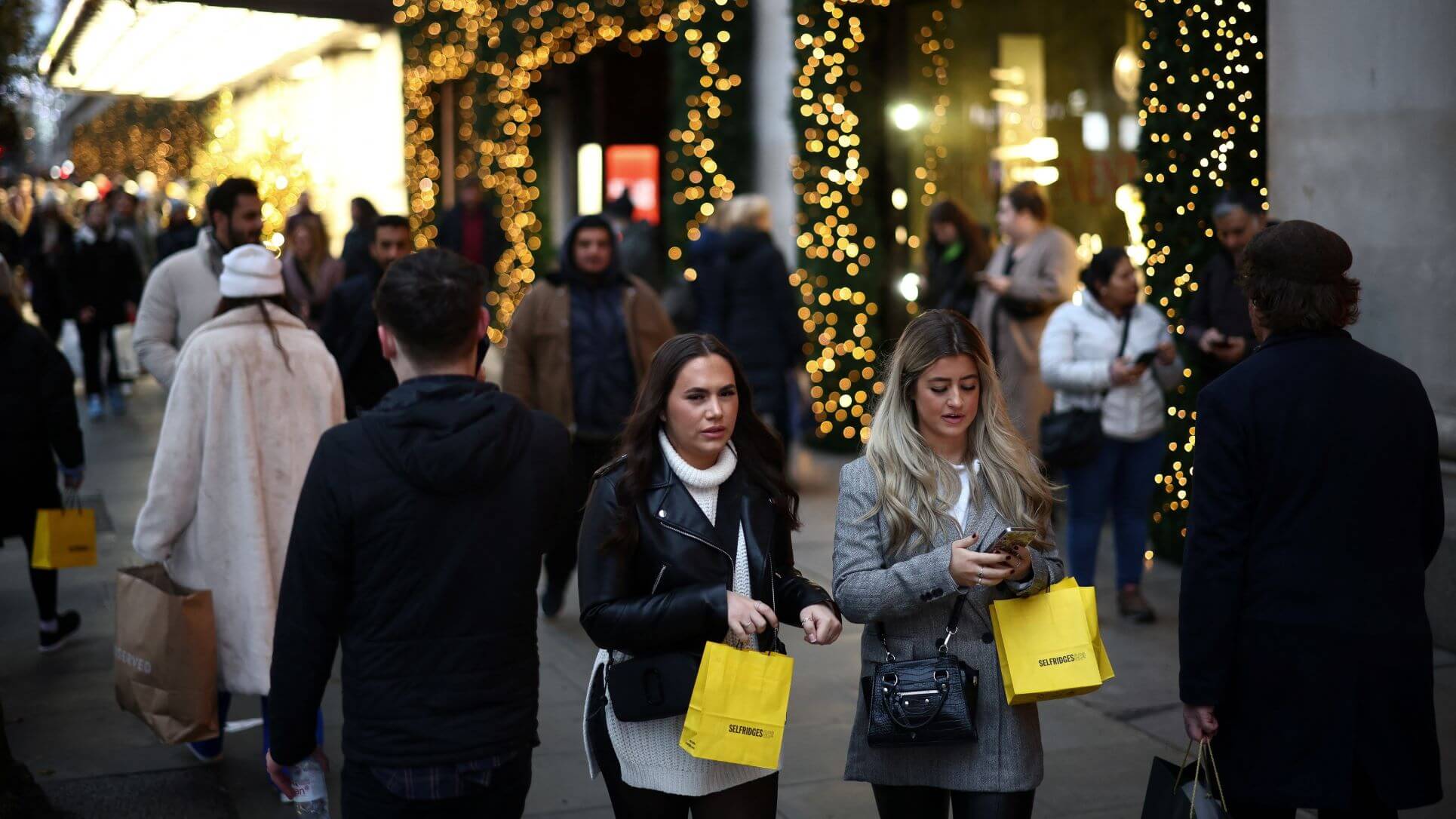
UK shop price inflation rose slightly in December, adding to evidence that price pressures are likely to remain stubborn over the coming year despite easing costs in some parts of the supply chain.
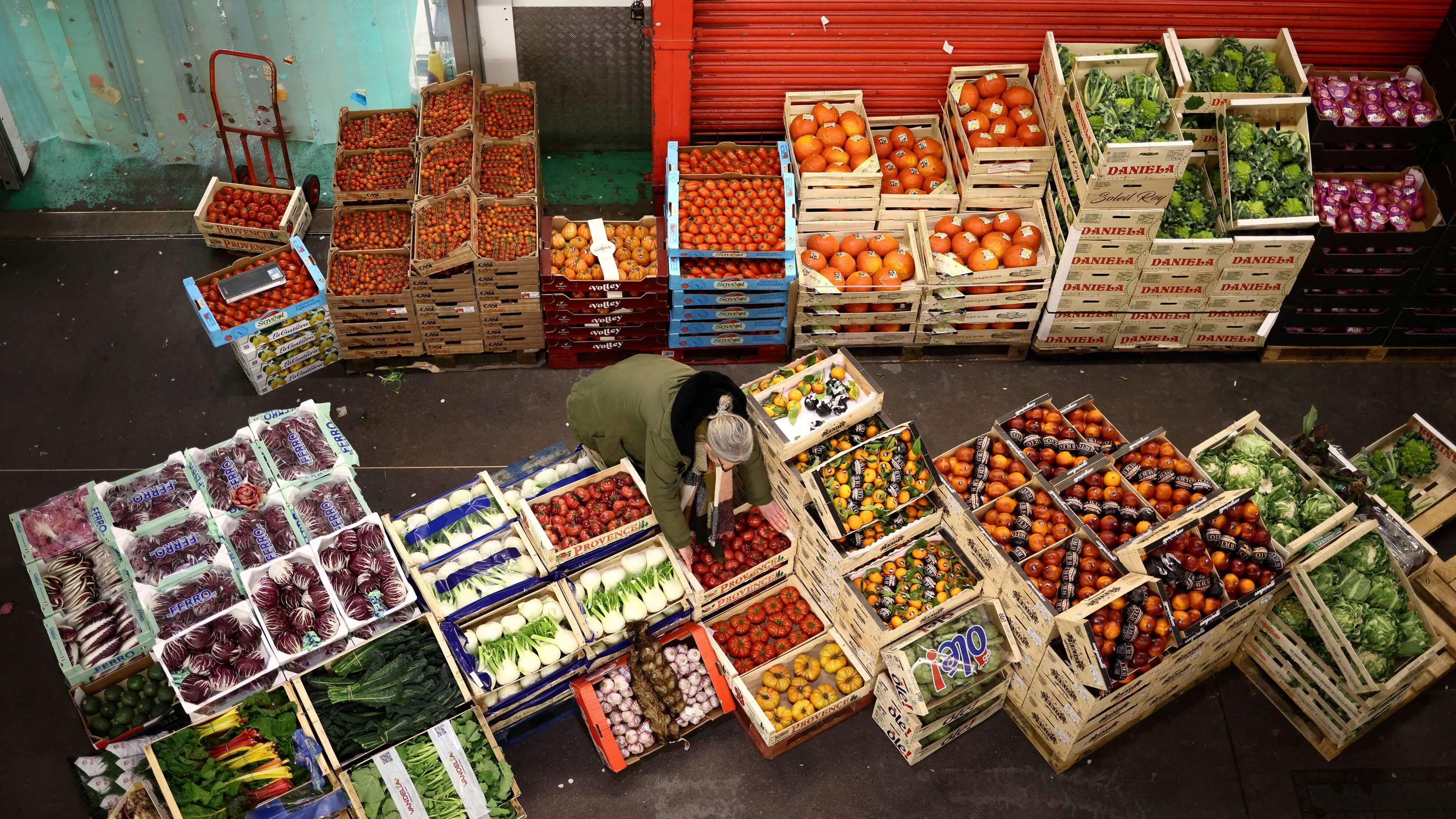
Data covering the first week of December show shop prices were 0.7 per cent higher than a year earlier, up from 0.6 per cent in November and in line with the recent three-month average. The increase was driven largely by food, where inflation climbed to 3.3 per cent year on year, compared with 3.0 per cent the previous month.
Fresh food prices rose by 3.8 per cent, while inflation for ambient food products reached 2.5 per cent. Non-food prices, by contrast, continued to fall, declining by 0.6 per cent compared with a year earlier, unchanged from November.
Retailers said shoppers were still able to find good value over the Christmas period, supported by widespread promotions and price competition across both food and non-food categories. Helen Dickinson, chief executive of the British Retail Consortium, said that while food prices rose at a faster pace, retailers worked to keep many festive essentials affordable.
She added that falling energy prices and improved harvests could ease some cost pressures in the months ahead, but warned that higher regulatory and policy-related costs were likely to prevent a rapid fall in inflation. Dickinson said retailers would continue to face challenges in keeping prices down unless the policy environment became more supportive.
Consumer behaviour also remains cautious. Mike Watkins, head of retailer and business insight at NIQ, said shoppers prioritised affordability over the Christmas period, with retailers absorbing cost increases and cutting prices in some categories to support demand.
While inflation appears to have peaked, Watkins said weak consumer confidence was likely to persist into 2026, meaning shoppers would continue to seek discounts and promotional offers. Retailers, he added, are expected to rely heavily on pricing strategies to stimulate spending in a subdued market.
The latest figures suggest that while the sharp inflationary spikes seen over the past two years have eased, the path back to consistently low price growth may be uneven. For policymakers and businesses alike, the data underline the challenge of balancing cost pressures with the need to support household spending as the economy moves into 2026.


Most read in News
Trending articles on News
Top articles on Minutehack


 Share article via email
Inflation Pressures Expected To Persist Into 2026, Retail Data Suggests
Thanks for signing up to Minutehack alerts.
Brilliant editorials heading your way soon.
Okay, Thanks!