
UK companies report fading confidence and rising cost pressures heading into 2026, according to a major business survey.
Business
Business Confidence Weakens Further As Firms Flag Tax And Investment Pressures
UK companies report fading confidence and rising cost pressures heading into 2026, according to a major business survey.
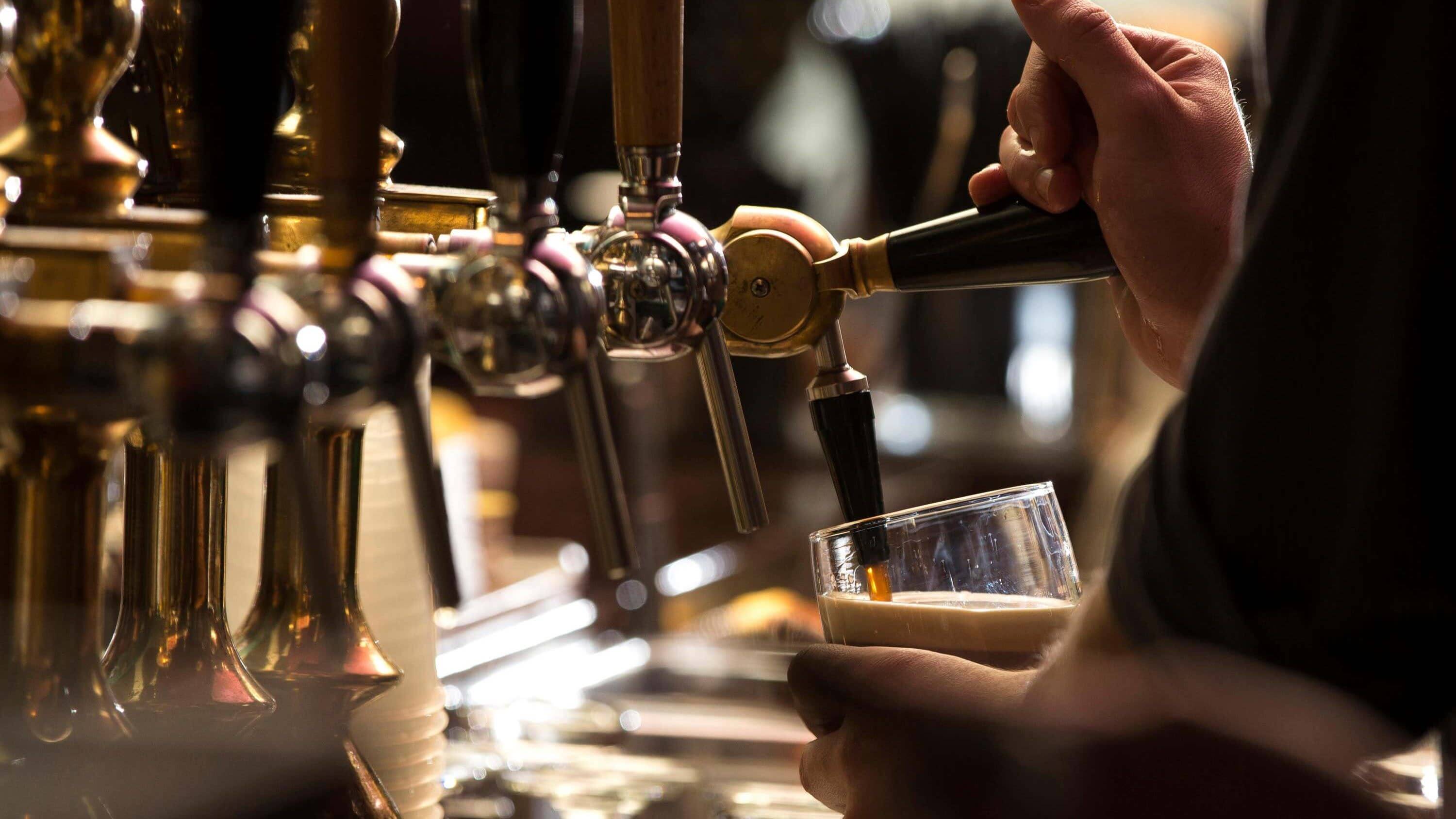
Confidence among UK businesses has continued to deteriorate, with taxation emerging once again as the dominant concern and a growing number of firms expecting to raise prices in the year ahead, according to the latest quarterly survey from the British Chambers of Commerce.
The BCC’s Quarterly Economic Survey, the largest of its kind in the UK, suggests that expectations for growth remain fragile as companies enter 2026. Fewer than half of respondents, 46 per cent, expect their turnover to increase over the next 12 months, down from 48 per cent in the previous quarter and the lowest level recorded in three years. Nearly a quarter now anticipate a fall in revenues.
The findings point to subdued investment appetite across much of the economy. Only 19 per cent of firms reported increasing investment in plant, machinery or equipment, while 27 per cent said they had scaled back their plans. Investment intentions have now remained in negative territory for five consecutive quarters, reflecting persistent cost pressures and uncertainty over the economic outlook.
Retail and hospitality businesses continue to face the sharpest challenges. Just a third of hospitality firms expect higher turnover over the coming year, while more than a third anticipate a decline. Retailers report a similarly downbeat outlook. Manufacturing and construction firms are marginally more optimistic, although fewer than half in either sector expect turnover to rise.
Sales and cashflow indicators also weakened. Less than three in ten firms reported higher domestic sales in the past three months, while nearly a third said cashflow had deteriorated. Concerns around taxation rose to 63 per cent of respondents, returning to levels last seen after the previous Budget. Although tax anxiety eased slightly after the Chancellor’s November statement, it remains the most frequently cited issue, ahead of inflation.
More than half of firms now expect to raise prices in the early part of 2026, up sharply from the previous quarter. Labour costs remain the dominant pressure, particularly in hospitality and manufacturing, where employers continue to absorb higher wage and staffing costs.
David Bharier, head of research at the British Chambers of Commerce, said the survey painted an unsettled picture for small and medium-sized businesses. He warned that confidence had remained below the 50 per cent mark for a year and said firms were increasingly worried about tax, struggling to invest and preparing to pass rising costs on to customers.
He added that while uncertainty around the Budget had eased slightly, the absence of clear growth measures had failed to lift sentiment. “It is now critical that 2026 becomes a year of delivery,” he said, arguing that government needed to move from strategy to action to revive investment, expand trade and ease regulatory and cost burdens facing firms.

Most read in News
Trending articles on News
Top articles on Minutehack


 Share article via email
Business Confidence Weakens Further As Firms Flag Tax And Investment Pressures
Thanks for signing up to Minutehack alerts.
Brilliant editorials heading your way soon.
Okay, Thanks!