
Business group welcomes Hamburg Declaration but warns ministers must act quickly to protect investment and jobs.
Business
BCC Backs UK-EU Clean Energy Pact As North Sea Cooperation Deepens
Business group welcomes Hamburg Declaration but warns ministers must act quickly to protect investment and jobs.
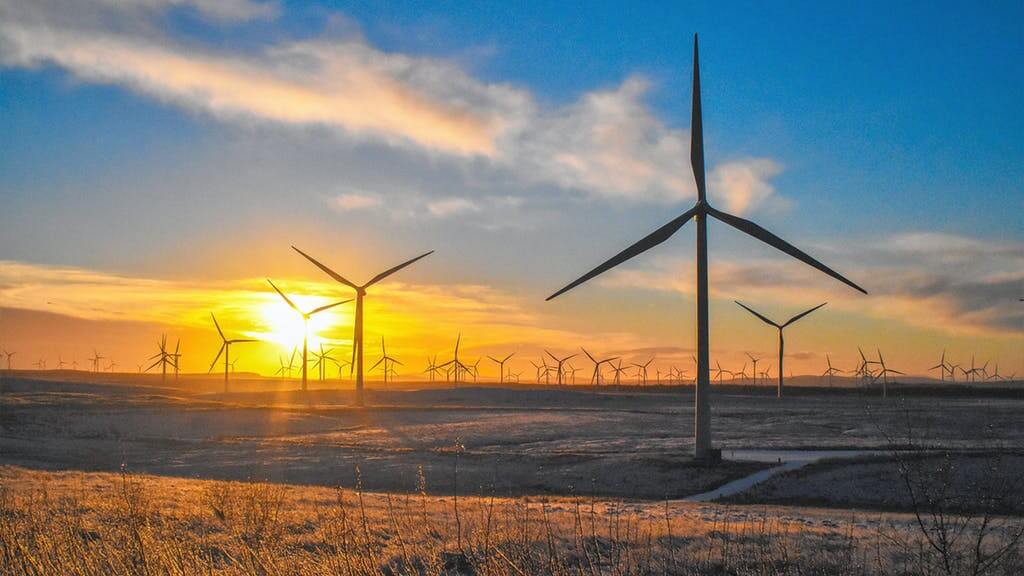
The British Chambers of Commerce has welcomed a new clean energy agreement between the UK and the European Union, describing closer cooperation in the North Sea as essential to energy security and economic growth, while urging the government to provide greater certainty for investors in oil, gas and renewables.
Reacting to the signing of the Hamburg Declaration, William Bain, head of trade policy at the British Chambers of Commerce, said joint projects on offshore wind, interconnectors and related infrastructure would help unlock the region’s full potential.
“It is essential for the UK’s energy security and economic growth that we co-operate more closely with our European allies,” he said. “The commitments set out in the Hamburg Declaration will allow our businesses to work on vital cross-border projects.”
However, Mr Bain warned that renewable expansion must be matched by policies that sustain the UK’s existing energy base. He said competitiveness in oil and gas extraction and refining remained critical in an uncertain geopolitical environment and called for greater clarity over North Sea taxation.
“Firms are clear that the current tax regime is not sustainable,” he said, adding that the Energy Profits Levy risked undermining jobs and investment if left unchanged. He urged ministers to move more quickly towards the recently announced Oil and Gas Price Mechanism.
The comments followed the signing of a clean energy security pact by energy secretary Ed Miliband and European counterparts at the Future of the North Seas Summit. The agreement commits countries including Germany, Norway, France and Denmark to develop joint offshore wind projects and shared grid infrastructure.
For the first time, North Sea nations have agreed to deliver 100 gigawatts of offshore wind capacity through collaborative schemes, including so-called hybrid assets that connect wind farms directly to more than one country. The long-term target is 300GW by 2050.
Ministers say the pact will help reduce reliance on volatile fossil fuel markets and support industrial growth. It follows a record UK offshore wind auction, which secured more than 8GW of new capacity and is expected to generate thousands of jobs and billions of pounds in private investment.
Mr Miliband said the agreement would strengthen energy sovereignty and transform the North Sea into “the world’s largest clean energy reservoir”.
Business leaders broadly welcomed the initiative. Ben Wilson, president of National Grid Ventures, said greater integration would reduce costs and limit environmental disruption. Dhara Vyas, chief executive of Energy UK, said deeper cooperation was vital to lowering household and business energy bills.
The BCC also called for faster progress on offshore hydrogen exports and carbon capture and storage, and said access to EU electricity markets could help cut wholesale prices.
“The momentum from today’s summit must be kept up,” Mr Bain said. “Economic growth, lower costs and tens of thousands of North Sea jobs depend on it.”


Most read in News
Trending articles on News
Top articles on Minutehack


 Share article via email
BCC Backs UK-EU Clean Energy Pact As North Sea Cooperation Deepens
Thanks for signing up to Minutehack alerts.
Brilliant editorials heading your way soon.
Okay, Thanks!