
Business
UK Company Insolvencies Rise After Two Monthly Falls
Levels remained below a year earlier as businesses continued to face cost and demand pressures.
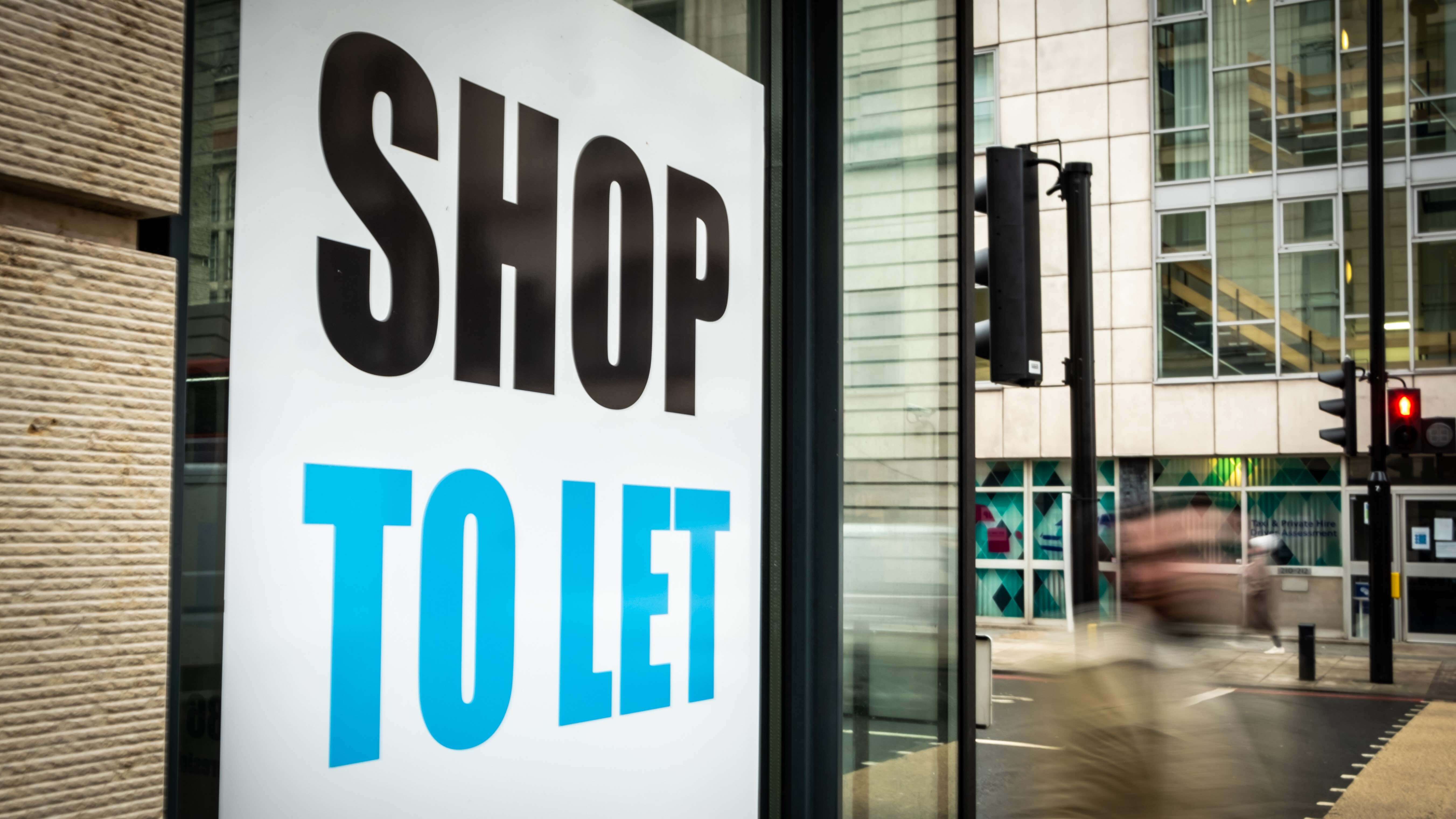
Company insolvencies in England and Wales rose in July after two consecutive monthly declines, highlighting continued pressure on businesses from higher costs, weak demand and economic uncertainty.
There were 1,931 registered company insolvencies during the month, according to the Insolvency Service, 5 per cent higher than the 1,847 recorded in June but 5 per cent below the 2,031 registered in July 2025.
Creditors' voluntary liquidations remained the most common form of insolvency, accounting for 1,497 cases, or 78 per cent of the total. They increased 9 per cent from June but were 3 per cent lower than a year earlier.
There were also 288 compulsory liquidations and 124 administrations. Administrations fell 33 per cent month on month, partly reflecting about 60 connected companies in the real estate sector entering administration in June.
The longer-term picture shows some easing in corporate distress. One in 199 companies entered insolvency in the 12 months to the end of July, equivalent to 50.3 insolvencies per 10,000 companies, down from 52.5 a year earlier.
However, insolvency volumes remain historically elevated. The Insolvency Service said levels over the past two years had been the highest since the 2008-09 recession, although the insolvency rate remains substantially below the financial crisis peak because the number of registered companies has more than doubled.
Retail and hospitality remain particularly exposed. Wholesale and retail businesses accounted for 15 per cent of insolvencies where the industry was recorded during the 12 months to July, while accommodation and food services represented 14 per cent.
Simon Edel, financial restructuring partner at EY-Parthenon, said the latest increase was "another reminder of the challenging trading environment that UK businesses are operating in".
"As well as rising costs, cautious consumers and tighter credit conditions, companies are also contending with policy uncertainty both domestically and abroad," he said.
Edel added that businesses would need to continue reassessing their operating models, liquidity and strategic priorities as they navigated a "lower-growth, higher-cost and less predictable environment".



Most read in News
Trending articles on News
Top articles on Minutehack


 Share article via email
UK Company Insolvencies Rise After Two Monthly Falls
Thanks for signing up to Minutehack alerts.
Brilliant editorials heading your way soon.
Okay, Thanks!