
Retail sales fell 0.5 per cent in July as earlier promotions and hot weather brought forward consumer spending.
Economy
UK Retail Sales Fall As Summer Spending Cools
Retail sales fell 0.5 per cent in July as earlier promotions and hot weather brought forward consumer spending.
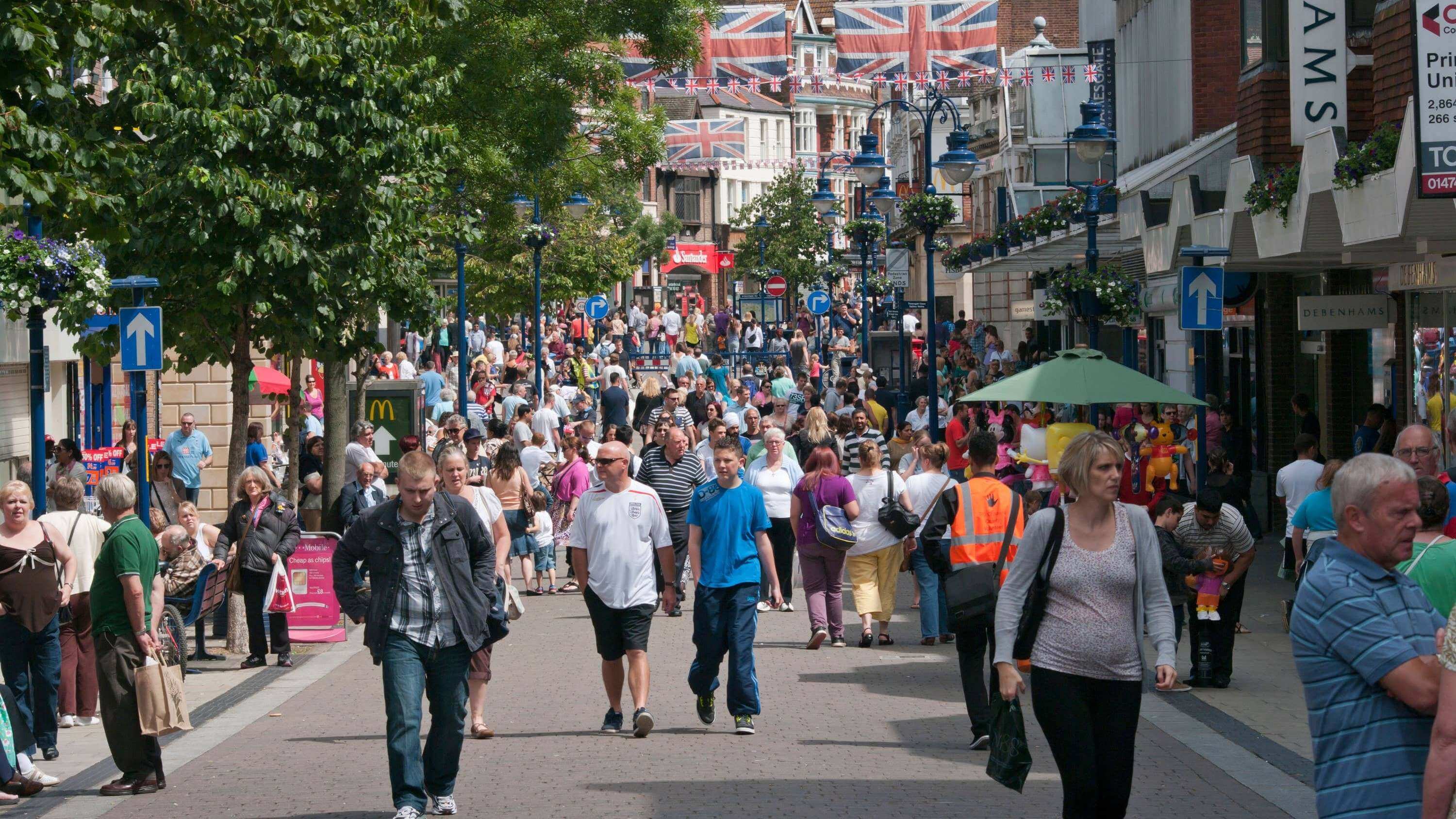
UK retail sales fell in July after two months of growth as an unusually warm summer and earlier promotions encouraged consumers to bring forward purchases, according to official figures.
Sales volumes declined 0.5 per cent during July, following increases of 0.7 per cent in June and 1.3 per cent in May, the Office for National Statistics said. However, volumes remained 1.6 per cent higher than in July last year.
The monthly decline was driven by non-food stores and online retailers, with the ONS reporting that some businesses attributed weaker demand to promotions taking place earlier than usual in June.
Clothing sales fell following growth the previous month, as retailers reported that earlier promotions had shifted purchases into June while hot weather reduced footfall in July. Household goods sales also declined after a strong May and June, with furniture retailers reporting weaker demand for some products during the heatwave.
Food stores provided a brighter spot, with sales volumes increasing during July. Retailers attributed the improvement partly to hot weather and the football World Cup, while sales of alcoholic drinks and beverages also performed strongly.
The underlying picture was more positive than the monthly figures suggested. Retail volumes increased 1.1 per cent in the three months to July compared with the previous three months and were 3 per cent higher than during the same period last year.
Online spending also fell sharply during July, declining 3.9 per cent from June, although it remained 6.5 per cent higher than a year earlier.
Harvir Dhillon, lead economist at the British Retail Consortium, said the summer weather had changed the timing of household spending.
“Sustained high temperatures since May meant many consumers had brought forward much of their summer spending earlier in the season,” he said, adding that clothing remained relatively resilient while footwear and household goods struggled.
Dhillon warned that rising household bills could weigh on spending in the coming months, while retailers continued to face elevated operating costs. He called on the government to reduce pressures from business rates, packaging taxes and employment costs, arguing that further increases could affect investment, jobs and consumer prices.

Most read in News
Trending articles on News
Top articles on Minutehack


 Share article via email
UK Retail Sales Fall As Summer Spending Cools
Thanks for signing up to Minutehack alerts.
Brilliant editorials heading your way soon.
Okay, Thanks!