Growth across the UK’s private sector slowed in July as companies stepped up job cuts in response to rising costs and weakening demand, according to new economic data.
The latest flash composite purchasing managers’ index (PMI) from S&P Global and CIPS reported a reading of 51. That figure is down from 52 in June and below economists’ forecasts of 51.8. While still above the 50 mark that indicates growth, the decline suggests momentum is fading.
The slowdown was largely cushioned by the services sector, where firms reported a modest uptick in consumer spending. However, companies warned that fragile domestic conditions and wider economic uncertainty were weighing on confidence.
Chris Williamson, chief business economist at S&P Global Market Intelligence, said the figures showed the economy was struggling to maintain momentum in the second half of the year.
“Sluggish output growth reflected weakening order books, subdued confidence and rising costs,” he said. “Much of this was linked to the ongoing effects of policy changes from last autumn’s budget, along with geopolitical instability.”
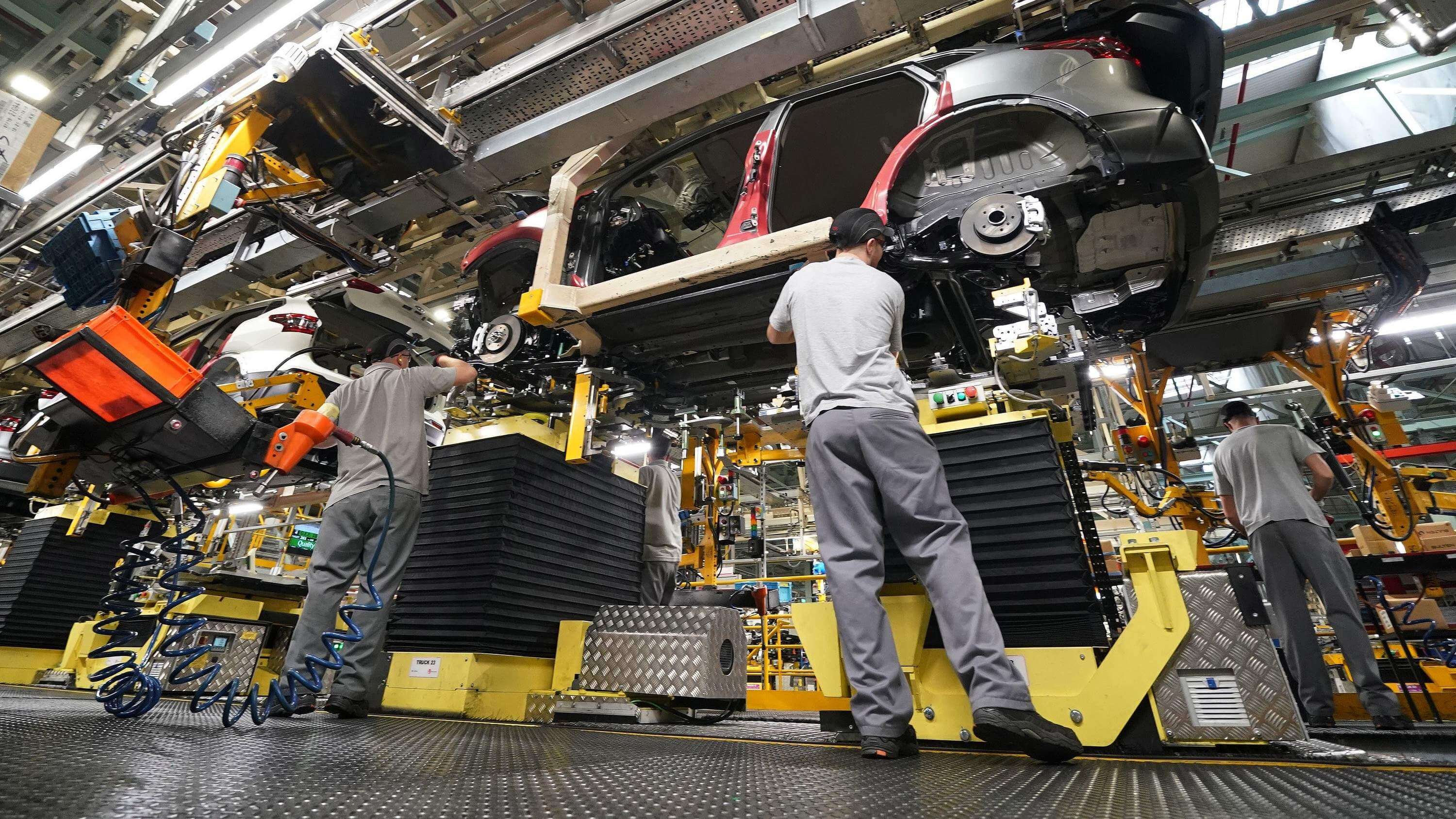
The report found that manufacturing output stabilised in July following eight months of contraction. But goods producers remained under pressure, citing difficult conditions in key export markets and the continued impact of US tariff changes.
The survey also revealed a drop in new orders across the private sector, pushing overall new business to a three-month low. In response, firms cut jobs at the fastest pace since February, with reductions reported across both services and manufacturing.
Many businesses blamed higher labour costs for the shift, pointing to recent increases in national insurance contributions and the minimum wage as key factors driving workforce restructurings.
“Particularly worrying is the sustained impact of the budget measures on employment,” Williamson added. “Higher staffing costs have added to concerns about weak demand, leading to a sharp decline in headcounts.”
The flash PMI survey is based on preliminary data collected from thousands of UK businesses and is viewed as an early indicator of economic activity.