
Business
Understanding Silver As A Long-Term Store of Value: Risks, Rewards And Practical Considerations
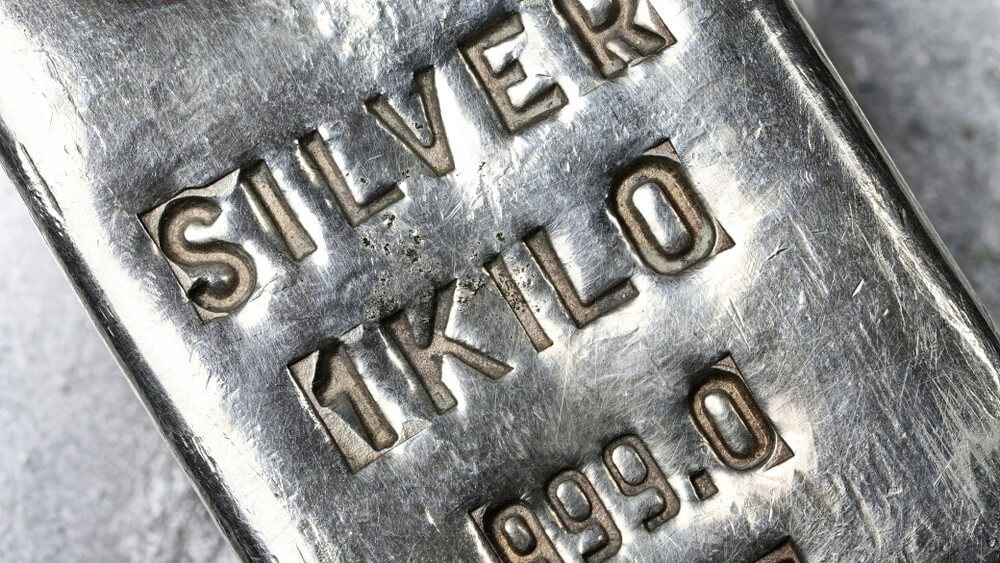
Silver has served as both money and material for thousands of years, and today it occupies a genuinely unique position among precious metals—valued as much for its industrial utility as for its potential role as a long-term store of value. For anyone considering silver as part of a broader financial strategy, understanding how the price of silver moves in global markets—and what drives those movements—is an essential starting point. This article examines how silver functions as an asset, what shapes its value over time, and which practical considerations matter most for thoughtful, long-term decision-making. Nothing here constitutes personalized investment advice; it is general educational information designed to help readers think more clearly about silver's place in a diversified financial plan.
What Makes Silver Different from Other Assets?
Silver is simultaneously a commodity and a monetary metal—a combination that sets it apart from nearly every other asset class. Unlike fiat currencies, which are perpetually exposed to inflation and central bank policy decisions, silver carries intrinsic physical value rooted in its material properties. Unlike equities, its worth isn't tied to any single company's fortunes. And while gold is widely regarded as a purely monetary metal with limited industrial application, silver sees substantial industrial demand—it is a critical input in electronics, solar panels, batteries, and medical devices, driven largely by its exceptional electrical conductivity.
Measured against common asset classes, silver occupies its own distinct category:
- Gold – More purely monetary; less exposed to the swings of industrial cycles
- Fiat currencies – Vulnerable to inflation and the shifting winds of monetary policy
- Equities – Represent business performance, not raw material value
This dual nature—part investment asset, part industrial input—gives silver's market behavior a complexity that few other assets can match.
How Silver's Market Value Is Formed
Silver trades on global exchanges, and its spot price represents the current market value per troy ounce for immediate delivery, determined by the continuous interplay of supply and demand.
Main factors influencing silver's market value:
- Supply side: Mining output, recycled scrap silver, and byproduct production from copper or zinc mining
- Demand side: Industrial consumption (particularly from green energy technologies), investment products (coins, bars, ETFs), and jewelry
Key takeaway: Silver's long-term value is shaped by structural supply and demand dynamics—not by short-term price headlines or day-to-day fluctuations.
Silver as a Long-Term Store of Value: Benefits and Limitations
A store of value is an asset expected to maintain purchasing power over extended time horizons. Silver has historically fulfilled this role, but with meaningful caveats worth understanding.
Benefits of silver as a store of value:
- A tangible, physical asset not subject to digital failure or counterparty default
- Historically recognized as money; widely perceived as a hedge against currency debasement
- A potential diversification benefit when combined thoughtfully with other asset classes
Risks and limitations:
- Greater price volatility than gold, amplified by fluctuations in industrial demand
- Storage and insurance costs associated with physical holdings
- Liquidity considerations and bid-ask spreads when converting physical silver into cash
A long-term saver allocating a modest share of their portfolio to silver may experience meaningful appreciation over certain market cycles—and equally significant drawdowns in others. Historical price ranges for silver have been wide, which underscores just how critical holding period and individual risk tolerance are as variables.
Practical Ways People Hold Silver
Investors typically access silver through two broad approaches:
| Physical Silver | Paper Exposure
|
|
| What it is | Coins, bars, rounds (.999 fine silver) | ETFs, futures, financial instruments |
| Advantages | Direct ownership; no counterparty risk | Easier to trade; no storage burden |
| Considerations | Storage, insurance, authenticity verification | Management fees, tracking errors, counterparty risk |
Consider a hypothetical investor weighing a few troy ounces of physical silver against a silver-backed ETF held in a brokerage account. Neither approach is universally superior—the right choice depends on personal goals, logistical realities, and comfort with different types of risk.
How Informed Savers Monitor Silver Without Obsessing Over Daily Moves
A long-term perspective is fundamental to using silver effectively as a store of value. Rather than reacting to every price swing, informed savers focus on broader trends and underlying fundamentals—macroeconomic conditions, industrial demand outlooks, and currency dynamics.
Steps to monitor silver responsibly:
- Review multi-year price trends periodically (quarterly, not daily)
- Track structural fundamentals: inflation trends, shifts in industrial demand, and mining developments
- Reassess your overall allocation annually within the context of your complete financial picture
Risk management and diversification remain paramount throughout. Silver should generally complement other savings and investments rather than replace them entirely.
Key takeaway: Silver can play a meaningful role in preserving wealth, but its effectiveness depends on how thoughtfully it is woven into a diversified, long-term financial plan.
Putting Silver in Perspective Within Your Long-Term Plans
Silver is simultaneously an industrial workhorse and a potential store of value—a combination that makes it genuinely distinctive but also inherently complex. Its market value reflects an intricate web of supply-and-demand forces that extends well beyond investment sentiment alone. Understanding what drives the price of silver, the structural factors behind it, and how it aligns with your own financial objectives matters far more than reacting to short-term market noise.
Silver is one piece of a broader financial puzzle, not the entire picture. It may help diversify and preserve wealth over time, but it carries real risks and is not equally suitable for every saver or financial situation. The most productive approach is to clarify your long-term goals, study how different assets behave across economic cycles, and—where appropriate—seek guidance from a qualified financial professional before committing meaningful resources.
This article is intended for general educational purposes only and does not constitute personalized investment or financial advice.
Most read in News
Trending articles on News
Top articles on Minutehack


 Share article via email
Understanding Silver As A Long-Term Store of Value: Risks, Rewards And Practical Considerations
Thanks for signing up to Minutehack alerts.
Brilliant editorials heading your way soon.
Okay, Thanks!