
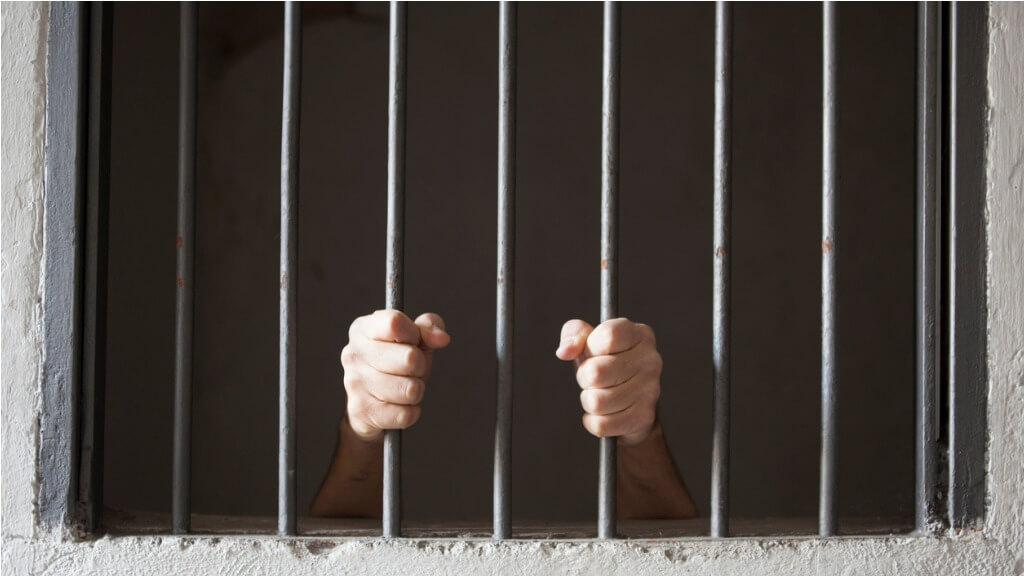
Getting arrested sounds scary. And, honestly, it can be. But most people don’t really know what actually happens when someone gets arrested. Movies and TV make it look dramatic, with flashing lights and people yelling, but real life is different. There’s a process that kicks in the moment someone is taken by the police—and knowing what it is can make things a lot less confusing.
Let’s break it down in a way that’s simple to understand.
It All Starts With an Arrest
An arrest usually happens when someone is accused of breaking the law. That can mean anything from stealing something to getting into a fight, or even missing court if they were supposed to show up. When the police arrest someone, they’ll usually say, “You’re under arrest,” and then they might handcuff the person and take them to jail.
This part is called being “taken into custody.” It means the police are now in charge of the person, and they’ll be taken to the police station. At the station, officers write down the person’s name, what they’re being arrested for, and take a picture of them—this is called a mugshot. They also take fingerprints. That’s called booking.
Jail Isn’t the End of the Story
Now, here’s something most people don’t understand: just because someone goes to jail doesn’t mean they’re going to stay there forever. Jail is just a temporary place where someone waits for the next step. That next step is usually a court hearing.
But guess what? In many cases, the person doesn’t have to stay in jail while they wait. They can go home—if they can pay something called bail.
So What’s Bail, Exactly?
Bail is basically a promise. It’s money given to the court to say, “This person will come back for their court date.” If the person shows up to court like they’re supposed to, the money is returned. But if they skip court, the money is kept, and they might get arrested again.
Here’s the problem: bail can be expensive. We’re talking thousands of dollars, sometimes more. Most people don’t just have that kind of money lying around. That’s where a bail bondsman comes in.
A bondsman is someone who helps pay the bail so the person can go home. They charge a small fee—usually a percentage of the total bail—and they promise the court that the person will show up later.
If someone’s in Indiana, it’s smart to reach out to a trusted bondsman Indianapolis Indiana who knows the local system and can work fast. These professionals deal with this stuff every day and know how to help people get out of jail quickly without making things worse.
What Happens at the First Court Hearing
After the person is out of jail, or even if they stayed in jail, they’ll go to court. This first hearing is sometimes called an arraignment. That’s where the judge explains what the person is being charged with and asks if they understand.
The person can say “guilty,” “not guilty,” or “no contest” (which means they’re not admitting they did it, but they’re also not fighting it). Most of the time, the person says “not guilty,” and then the judge sets another date for the trial.
Until then, if they paid bail or got help from a bondsman, they can stay home and keep going to school, work, or just live their normal life.
Skipping Court Is a Big Mistake
Even if it seems small, missing a court date is a huge deal. The court sees it as breaking the rules, and that can lead to a new arrest and possibly even more charges. If someone used a bail bondsman, the bondsman might have to send someone to find them—this is totally legal and part of their job.
So it’s really important to go to court on the day that’s set. It’s not a suggestion—it’s a requirement.
What If the Charges Are Dropped?
Sometimes, after someone is arrested, the police or the court might decide there’s not enough evidence. If that happens, the charges can be dropped. That means the case is closed and the person is no longer in trouble.
If that happens before the court date, and the person already paid bail or used a bondsman, they might be able to get some money back—but not the fee paid to the bondsman. That part is for their service, kind of like a payment for helping in the first place.
Can You Avoid Getting Arrested Again?
Yes. And it starts by understanding the system better. When someone knows what happens after an arrest—booking, bail, court dates—they’re more likely to make smart choices. Staying out of trouble, following court rules, and showing up when told all matter a lot.
Even if someone messed up, it doesn’t mean their life is over. People make mistakes. What’s important is doing the right thing afterward.
So, What’s the Big Deal About Bail Bondsmen?
Bail bondsmen might not sound exciting, but they’re actually super important in the justice system. Without them, a lot of people would stay in jail just because they don’t have enough money. That’s not fair.
A good bondsman helps make sure people can go home, take care of their families, and get ready for court. They keep everything moving and help people understand what to do next.
Final Thoughts
Getting arrested is serious—but it’s not the end. Understanding what happens step by step can take away a lot of the fear. From being taken to jail, to making bail, to going to court, everything has a process.
Bail is a way to stay free while waiting for court, and if money’s a problem, a bail bondsman can be a big help. The key is to show up when needed, follow the rules, and learn from the experience.
If something like this ever happens to someone close, knowing the facts can make all the difference. Don’t panic—just be smart, ask for help, and keep moving forward.
Most read in News
Trending articles on News
Top articles on Minutehack


 Share article via email
What Happens If You Get Arrested? Here's What Nobody Tells You
Thanks for signing up to Minutehack alerts.
Brilliant editorials heading your way soon.
Okay, Thanks!