With the right focus and momentum, British manufacturing is well placed to move forward with confidence.
Challenging The Narrative: Britain’s Manufacturing Sector Is More Resilient Than You Think
With the right focus and momentum, British manufacturing is well placed to move forward with confidence.
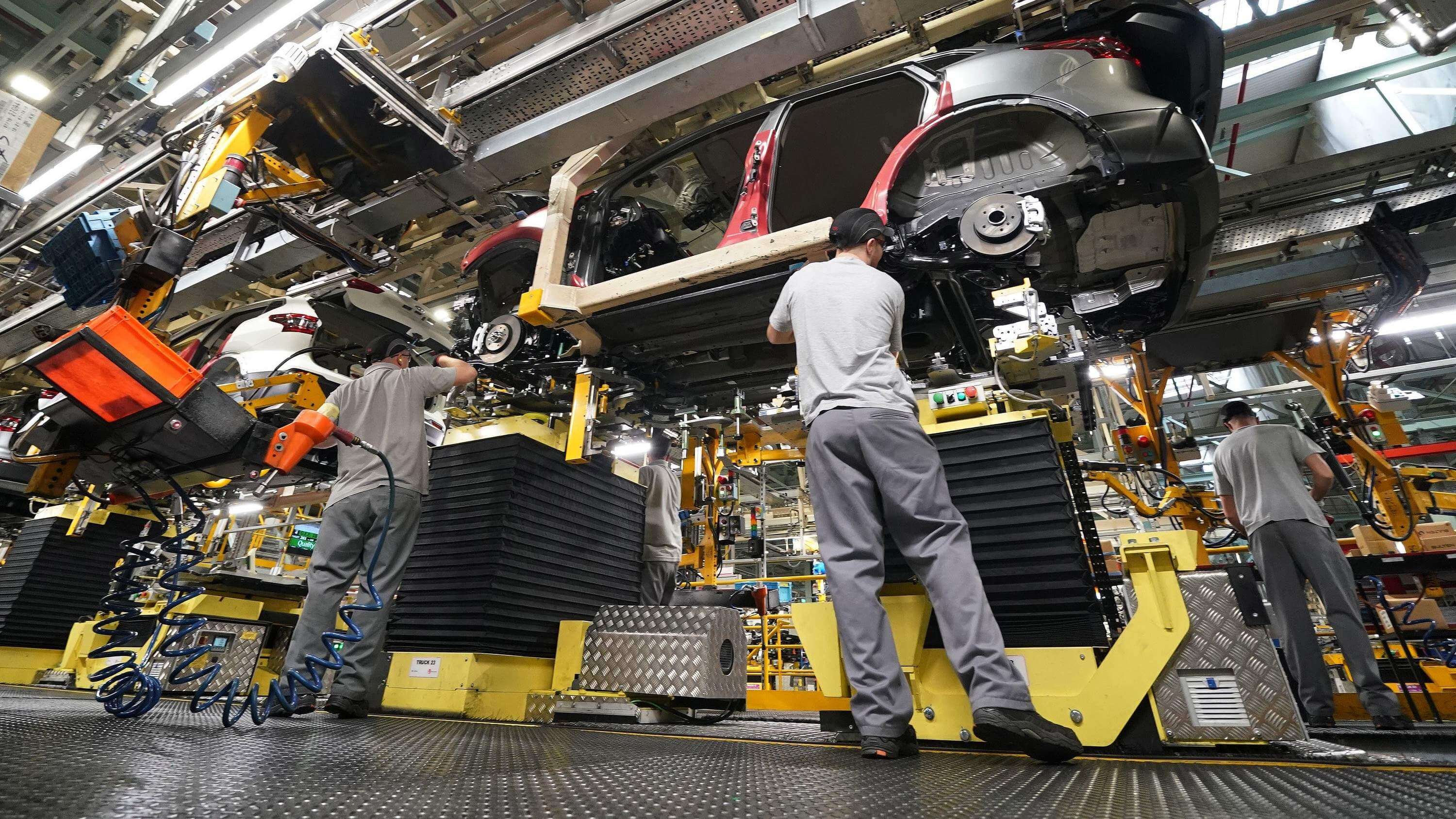
For years, a narrative of decline has dominated the conversation around British manufacturing. Headlines point to rising costs, intensifying global competition, persistent skills shortages and volatile supply chains against a backdrop of geopolitical tensions. In response, many manufacturing SMEs have been forced into a defensive posture – prioritising resilience over long-term growth.
Yet this is only part of the story. Beyond the broadsheet front pages, there is a more optimistic picture emerging – one defined by momentum, capability and sustained output. Despite ongoing economic headwinds, UK manufacturing continues to demonstrate resilience, having recently delivered £260bn of annual output, with the monthly output index in January 2026 reaching 101.4.
Policy signals also, suggest a steadier path ahead. While the recent Spring Statement may have lacked headline-grabbing measures, its emphasis on stability provides a crucial foundation for progress. The opportunity is now clear. By accelerating technological adoption, investing in skills development and strengthening collaboration, Britain can shift from resilience to renewal – building a manufacturing sector defined not by decline, but by long-term competitive advantage.
Turning foundational strength into long-term growth
The challenges facing UK manufacturing are well documented, but they do not define the sector’s potential for growth. While manufacturing’s influence on headline economic growth has shrunk over time, its role in driving productivity, innovation and high-value output remains significant. The sector continues to underpin exports, investment and research activity, supporting jobs and supply chains across the country.
The vital next steps for the industry are to successfully use these strong foundations as a springboard for growth. While it may not happen overnight, there are incremental, yet definite changes that can be made to ensure structural change gets underway. This is a particularly good opportunity for SMEs, who can be nimble when adopting new processes.
Technology has a critical role to play in this shift. When systems are designed around how manufacturers actually work, and promote knowledge sharing within the team, they support improved decision making, reduce complexity and help businesses make better use of existing resources. Applied with clear intent, digital tools enable manufacturers to stabilise performance in the short term while building long-term opportunities for growth.
Unleashing productivity through digitalisation
For many manufacturers, digital transformation has historically felt complex, costly or disruptive. That perception has slowed adoption, particularly among SMEs operating with limited time and resource. The reality today is very different.
Modern ERP systems are designed to support manufacturing operations as they are today, providing clearer visibility across production, inventory and supply chains. When implemented with purpose, they help manufacturers improve efficiency, reduce waste and respond more effectively to customer demand.
Greater operational visibility allows issues to be identified earlier and decisions to be made with confidence. Workflow automation and intuitive dashboards also help embed consistent ways of working, reducing reliance on individual knowledge and supporting skills development across teams.
This is where data transparency plays a fundamental role in strengthening manufacturing supply chains, with AI enhanced analytics connecting data across siloed teams. This allows manufacturers to better support planning and improve forecasting by providing more accurate and insightful data to inform confident decision-making.
Shifting the industry mindset
Caution around investment is understandable in the current climate. Many manufacturers remain concerned about cost, material and supply chain disruption and whether they have the internal capability to support new systems.
Progress does not require wholesale transformation; small but consistent improvements can deliver measurable benefits quicker than businesses might expect. Starting with clear objectives, such as improving visibility, reducing bottlenecks or simplifying reporting, helps minimise risk and build confidence over time.
Sharing real world examples across the manufacturing community is equally important. Seeing how peers have strengthened performance through practical technology adoption helps shift the conversation from theory to action and encourages wider uptake across the sector.
Knowledge transfer and long-term skills investment
Technology alone is no silver bullet in securing the future of UK manufacturing, nor does skills development need to be the barrier it once was. While technical skills shortages remain a significant challenge for many SMEs, the way manufacturers are building capability is changing and that is a reason for optimism.
Increasingly, businesses are embedding knowledge into systems, processes and workflows, reducing reliance on individual expertise and ensuring efficiency and resiliency are at the centre of a long-term strategy. Intuitive digital tools lower the barrier to entry, allowing teams to build confidence quickly and apply skills consistently across operations.
This shift is particularly important as experienced workers leave the sector and roles evolve. By simplifying processes and making information more accessible, manufacturers can stabilise performance today while accelerating learning for the workforce of tomorrow.
Skills development, when closely aligned to real operational needs, becomes a source of confidence rather than hesitation. It allows manufacturers to move forward with change knowing capability can grow alongside technology, not lag behind it.
Leading into the future, with confidence
British manufacturing undoubtedly faces challenges, but they do not diminish the sector’s underlying capability, adaptability, resilience and enduring importance to the UK economy.
The foundations for long-term success are already in place. What matters now is how decisively the sector builds on them.
Digitalisation – particularly through cloud-based ERP systems – is equipping manufacturers with the agility, visibility and control needed to navigate uncertainty and unlock new efficiencies. Combined with targeted investment in skills and processes, they provide a clear path from resilience to growth.
The opportunity is not to reinvent the sector, but to build on what already exists. With the right focus and momentum, British manufacturing is well placed not just to compete, but to move forward with confidence.
Dean Reddington is Manufacturing Technical Specialist, ECI Software Solutions.


 Share article via email
Challenging The Narrative: Britain’s Manufacturing Sector Is More Resilient Than You Think
Thanks for signing up to Minutehack alerts.
Brilliant editorials heading your way soon.
Okay, Thanks!