Business owners face shifting landscape as Bank of England and Treasury weigh tax and employment impacts
Bailey Signals Interest Rate Cuts May Follow Jobs Market Slowdown
Business owners face shifting landscape as Bank of England and Treasury weigh tax and employment impacts
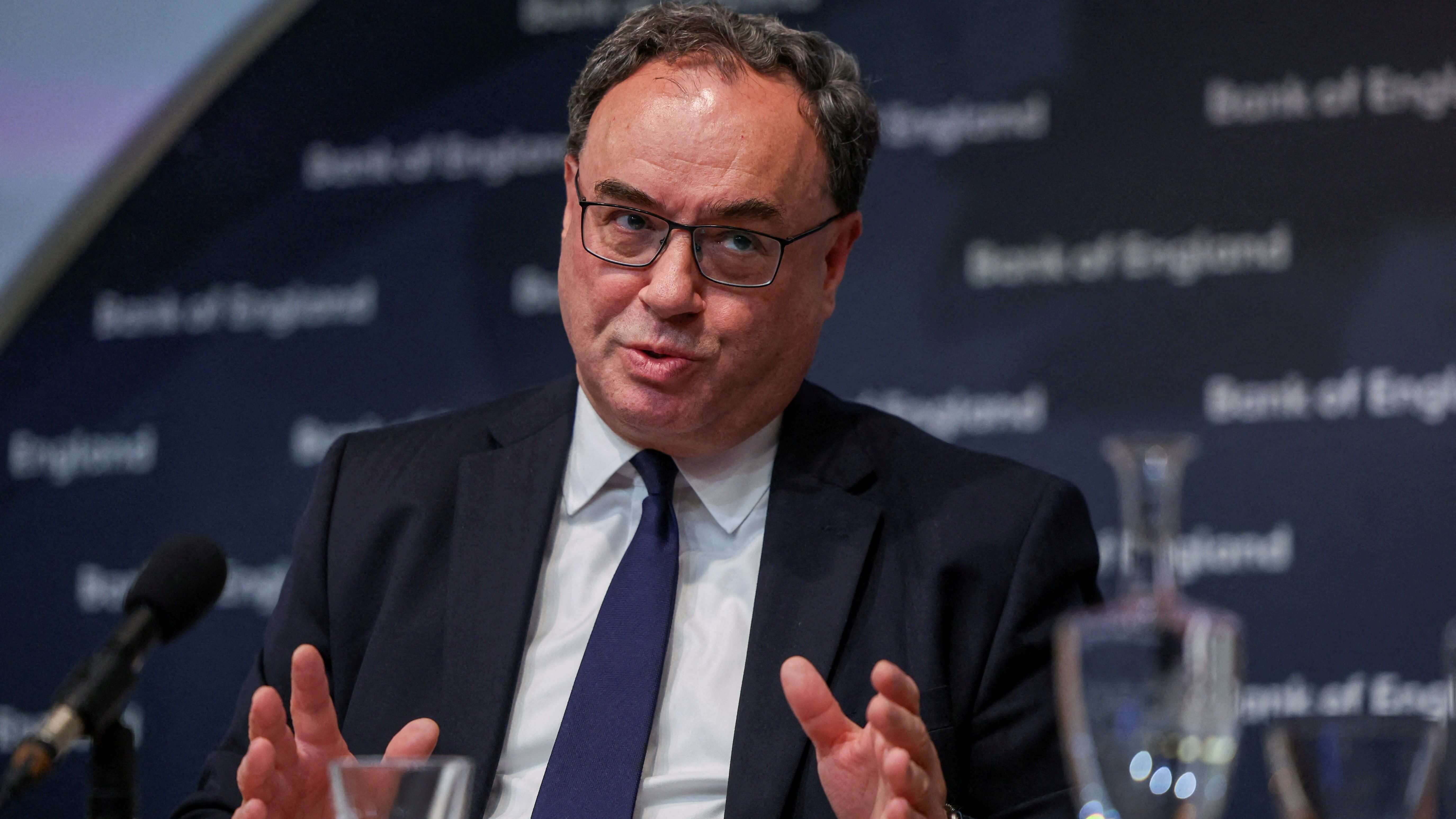
The Governor of the Bank of England has suggested that interest rates could begin to fall if signs of a slowdown in the labour market continue to emerge.
Andrew Bailey said the Bank is closely monitoring the impact of the recent rise in employer national insurance contributions, introduced by Chancellor Rachel Reeves. He told The Times that businesses are already “adjusting employment” in response and offering smaller pay rises than might otherwise have been the case.
In the same interview, Bailey said the UK economy is currently growing below its potential. This underperformance, he explained, could create additional economic slack. That would help bring inflation down, as the rate at which prices rise could begin to lag behind wage growth.
While the Bank held the base interest rate at 4.25 percent in June, Bailey indicated that reductions are likely over time. The Monetary Policy Committee is set to review the rate again on 7 August.
“I really do believe the path is downward,” Bailey said. However, he cautioned that any change would need to be “gradual and careful,” noting concerns from some observers about cutting rates while inflation remains above target.
For businesses, especially those managing payroll and working capital, lower rates would bring some relief. However, the overall environment remains uncertain due to the interaction of tax policy, inflation, and ongoing fiscal constraints.
Treasury Chief Secretary Darren Jones said businesses making employment adjustments in response to higher tax costs is to be expected. Speaking to Times Radio, he said, “We’ve also seen the creation of hundreds of thousands of new jobs across the country, and it’s normal for business to make adjustments to their plans depending on the cost of business.”
He added that the Government is focused on supporting job creation and long-term economic resilience.
Meanwhile, the Government is under increasing pressure to improve living standards, even as borrowing costs and downgraded growth forecasts limit its fiscal room for manoeuvre. Reeves’ scope for major new spending has also been narrowed by policy reversals, including U-turns on welfare reform and winter fuel payments.
Within the Labour Party, some senior figures are calling for new forms of taxation to bolster the public finances. Former leader Lord Neil Kinnock and Wales’s First Minister Baroness Eluned Morgan have both supported the idea of a wealth tax.
Asked about the issue on Sky News, Transport Secretary Heidi Alexander said such a tax had not been “directly” discussed during a recent ministerial strategy day. However, she declined to rule out tax rises in the autumn budget and said any decisions would be made based on fairness.
For business owners, this signals a complex few months ahead. While interest rates may begin to ease, decisions around tax, employment, and investment will continue to be shaped by an evolving mix of economic caution and political pressure.



 Share article via email
Bailey Signals Interest Rate Cuts May Follow Jobs Market Slowdown
Thanks for signing up to Minutehack alerts.
Brilliant editorials heading your way soon.
Okay, Thanks!