Reeves Maintains Tax Pledge For 'Working People', But Wealth Tax Questions Remain
Business owners seek clarity as Chancellor keeps options open on future fiscal plans.
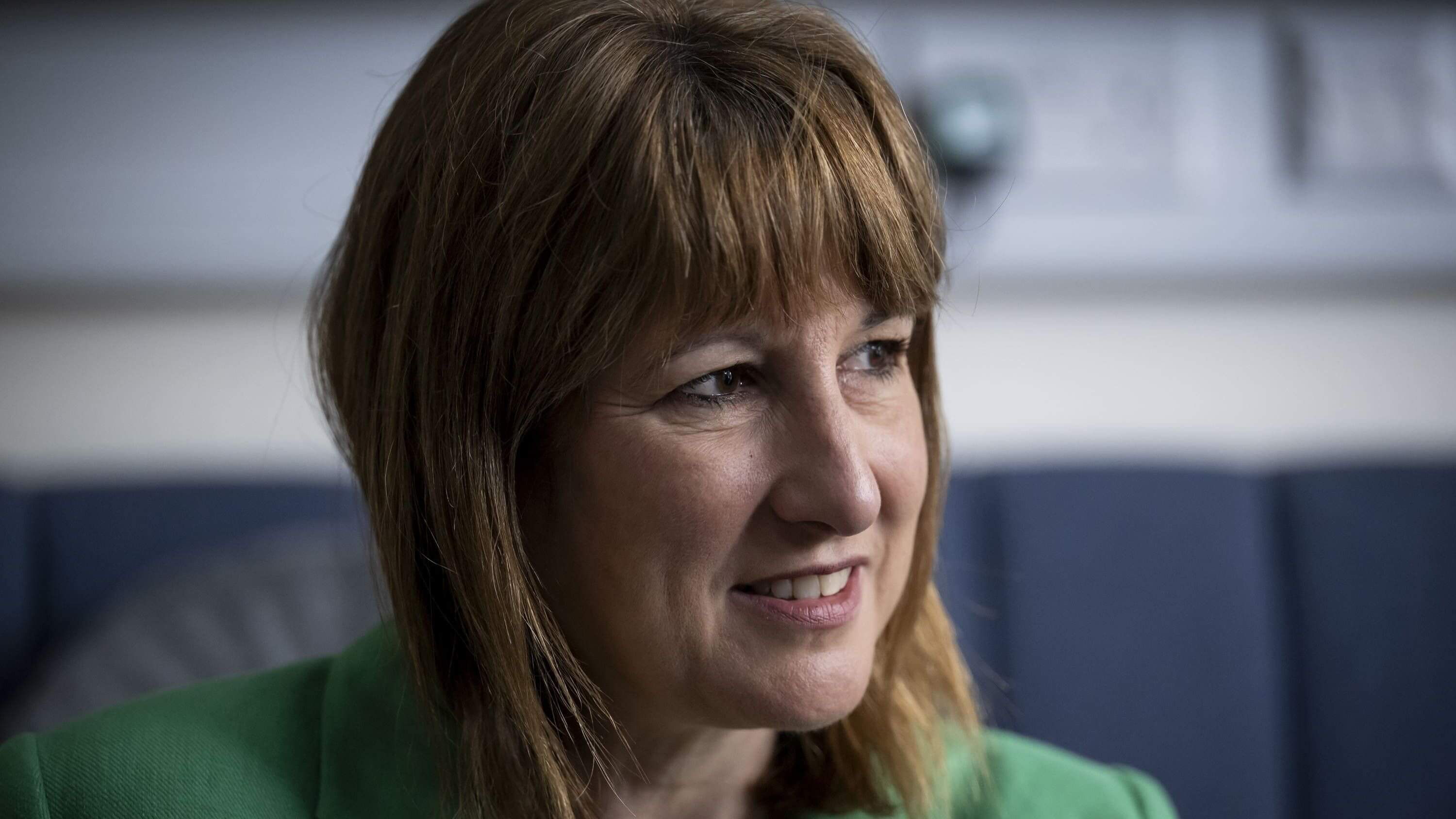
Chancellor Rachel Reeves has reaffirmed her commitment not to raise income tax, national insurance, or VAT for “working people.” However, she has stopped short of ruling out new taxes on wealth, raising concerns among business owners and investors about potential changes in the broader tax landscape.
Speaking amid speculation around her first full Budget, Reeves said the Government’s manifesto pledges on key personal taxes still stand. However, she declined to comment on whether wealth or capital taxes might be introduced to help close a projected funding gap.
“We haven’t even set the date for the Budget yet,” she told reporters. “So please forgive me if I’m not going to speculate about what might happen at an event that we haven’t even decided a date on yet.”
The Chancellor emphasised her commitment to fiscal discipline, calling her rules “non-negotiable.” These rules include a requirement that day-to-day Government spending be covered by revenue rather than borrowing, which she said would help provide stability for both markets and households. “Those rules are what give working people security, around interest rates for example,” she said.
Despite these assurances, the Government is facing increased pressure on public finances following U-turns on welfare reform and winter fuel payments. These policy reversals have created a multi-billion pound shortfall, prompting speculation that new revenue-raising measures could focus on wealth or assets not currently targeted by the headline tax pledges.
For business owners, this uncertainty poses challenges when it comes to investment decisions, remuneration planning, and succession strategies. Many are also assessing the impact of the recent increase in employer national insurance contributions. That policy has drawn criticism from the Governor of the Bank of England, Andrew Bailey.
Bailey noted that some businesses were already “adjusting employment” and limiting pay growth in response to the higher costs. He added that the British economy was currently growing below its potential, which could create slack and support further interest rate reductions. “I really do believe the path is downward,” Bailey said in an interview with The Times. However, he also warned that rate cuts would be gradual and dependent on continued signs of economic stability.
The current Bank rate remains at 4.25 percent. The Monetary Policy Committee is due to review the rate again on 7 August.
Lower interest rates would offer some relief to businesses facing cost pressures and rising wage expectations. But the broader tax and fiscal outlook remains uncertain until more details are released ahead of the Budget.
Chief Secretary to the Treasury Darren Jones said it was entirely normal for firms to review their plans in response to tax changes. He pointed to job creation figures as evidence that the economy remains resilient. “We’re really focused as a Government on supporting businesses to create more jobs,” he told Times Radio.
Meanwhile, Conservative leader Kemi Badenoch criticised Labour’s approach and warned of further tax rises to cover spending commitments. “Labour are going to raise your taxes again to pay for their mistakes,” she said. “Britain doesn’t need more taxes. People are taxed too high already. It needs a government committed to bringing down spending so we live within our means.”
With the Budget date still unconfirmed, business owners are left waiting for greater clarity. For now, the Government’s pledge to protect “working people” from further tax rises offers some reassurance, but the door remains open to broader changes that could affect investment and long-term planning.


 Share article via email
Reeves Maintains Tax Pledge For 'Working People', But Wealth Tax Questions Remain
Thanks for signing up to Minutehack alerts.
Brilliant editorials heading your way soon.
Okay, Thanks!