July’s borrowing dip offers Reeves a temporary boost – but economists warn her toughest budget decisions are still to come.
Government Borrowing Falls In July, Easing Pressure On Reeves Ahead Of Autumn Budget
July’s borrowing dip offers Reeves a temporary boost – but economists warn her toughest budget decisions are still to come.
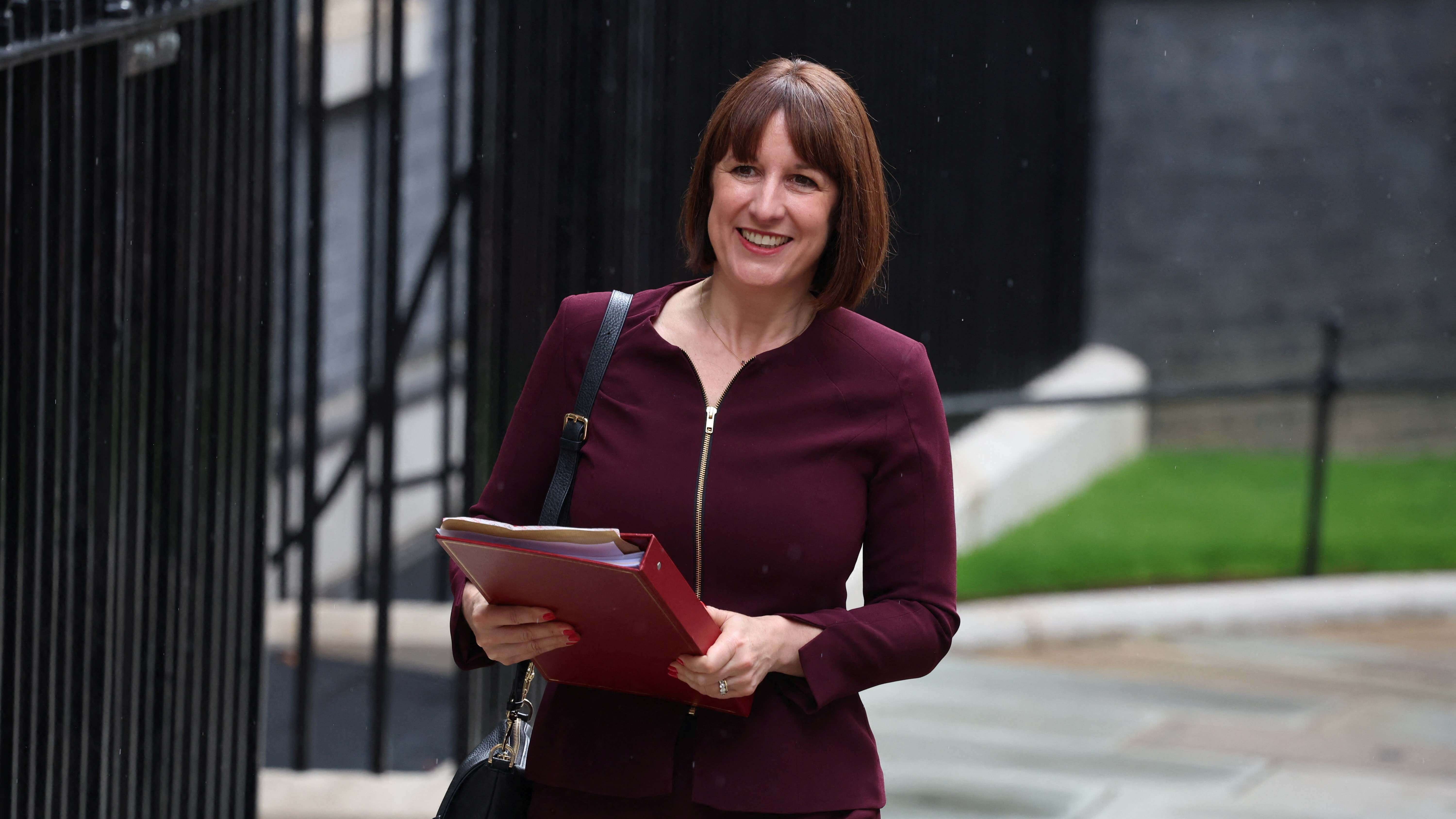
Government borrowing fell sharply in July to its lowest level in three years, offering Rachel Reeves some breathing space as she prepares her first autumn budget.
The Office for National Statistics (ONS) said borrowing came in at £1.1bn – less than half the level recorded a year ago and below economists’ forecasts of £2bn. The drop was driven by higher tax receipts, particularly from national insurance contributions and self-assessed income tax, reflecting April’s changes to employer NICs and stronger-than-expected payments from higher earners.
Receipts climbed to £100.1bn in the month, up £8.8bn on July 2024. Compulsory social contributions rose £2.6bn to £16.3bn, while income tax receipts jumped £2.7bn to £15.5bn. At the same time, government spending increased £5.3bn to £92.1bn, partly due to rising public sector pay and benefit costs.
Rob Doody, deputy director for public sector finances at the ONS, said: “Borrowing this July was £2.3 billion down on the same month last year and was the lowest July figure for three years. This reflects strong increases in tax and national insurance receipts. However, in the first four months of the financial year as a whole, borrowing was over £6 billion higher than in the same period in 2024.”
Despite July’s improvement, borrowing for April to July reached £60bn – £6.7bn more than last year – underscoring the fragile state of the public finances. Reeves faces a projected £51bn “black hole” by the end of the decade, according to the National Institute of Economic and Social Research, and has pledged to meet Labour’s fiscal rules without raising income tax, employees’ NICs or VAT.
Reports suggest the Treasury is exploring “sin taxes”, duties, and reforms to stamp duty and capital gains tax as possible revenue raisers. Economists have also warned of potential cuts to departmental budgets unless Reeves finds new ways to raise funds.
Elliott Jordan-Doak, senior UK economist at Pantheon Macroeconomics, said: “The Chancellor will still have to raise taxes in October despite borrowing matching official forecasts. The big picture remains that the public finances are in chronically weak condition. We think the Chancellor will need to resort to ‘sin’ and ‘stealth’ tax hikes, duty increases, and a pensions tax raid in order to meet her fiscal rules.”
Chief secretary to the Treasury Darren Jones insisted the government was committed to driving down borrowing over the parliament: “Far too much taxpayer money is spent on interest payments for the longstanding national debt. That’s why we’re driving down government borrowing – so working people don’t have to foot the bill and we can invest in better schools, hospitals and services.





 Share article via email
Government Borrowing Falls In July, Easing Pressure On Reeves Ahead Of Autumn Budget
Thanks for signing up to Minutehack alerts.
Brilliant editorials heading your way soon.
Okay, Thanks!