

Installing a heat pump system is one of the best ways to improve your home's energy efficiency and reduce your carbon footprint. This environmentally conscious solution is gaining popularity in cities like Toronto, where demand for sustainable living is on the rise. For those looking to make this transition, understanding the necessary steps to successful installation is key. Many homeowners begin by exploring options for heat pump installations in Toronto, ensuring their journey toward efficient heating and cooling starts on solid ground.
Proper installation is not just about setting up the units; it also involves considering your home’s unique needs, ensuring optimal performance, and taking advantage of cost-saving incentives. With attention to detail and the proper professional support, you can enjoy both immediate and long-term energy savings.
To further streamline the installation process and address local requirements, consider researching reputable providers for Toronto heat pump installations. Local expertise can help you navigate climate and regulatory conditions, setting your project up for success from the start.
This guide provides a detailed look at every step, from understanding heat pump basics to maximizing long-term value through maintenance and incentive programs.
Understanding Heat Pumps
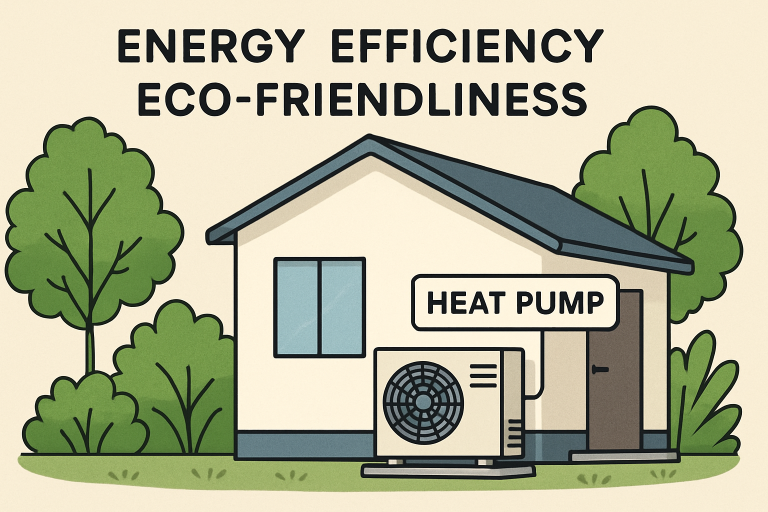
Heat pumps transfer heat rather than generate it, enabling efficient heating and cooling with reduced energy use. Unlike traditional furnaces that burn fuel or electric heaters that generate heat by resistance, heat pumps move existing heat from the air, ground, or water into your home. This efficiency translates to lower utility bills and a smaller environmental impact. According to the U.S. Department of Energy, switching to a heat pump can reduce heating electricity use by about 50 percent compared to conventional systems.
Choosing the Right Heat Pump
Every home presents a unique set of variables that influence the best heat pump choice. The three main types are:
- Air-Source Heat Pumps: Best for regions with moderate climates, these devices draw heat from the outdoor air and are easy to install for most homes.
- Ground-Source (Geothermal) Heat Pumps: Offering superior efficiency, these systems require buried ground loops but yield higher installation costs and optimal results in homes with sufficient outdoor space.
- Water-Source Heat Pumps: Ideal for properties with accessible water bodies, these units extract heat from ponds, lakes, or rivers to provide home heating and cooling.
Consult with a knowledgeable professional who can evaluate your climate, home insulation, and existing infrastructure to ensure your selection delivers optimal performance year-round.
Preparing Your Home
Thorough preparation of your home is a vital step to maximizing your investment. Begin by upgrading the insulation in attics, walls, and floors, and sealing drafts around windows, doors, and ductwork. Proper air sealing and insulation reduce heat loss, enabling the heat pump to maintain comfortable indoor temperatures with less effort and energy. For homes with existing ductwork, an inspection helps verify compatibility; otherwise, ductless mini-split heat pumps may be preferable.
Steps like these can significantly improve comfort and lead to dramatic reductions in utility costs, especially when paired with other efficiency upgrades. Explore expert articles such as those from Wirecutter by The New York Times for practical insights on integrating heat pump technology into modern homes.
Selecting a Qualified Installer
Choosing the right contractor is critical. Research certified professionals in your area, focusing on those with experience in heat pump installations and a history of quality workmanship. Request references and check reviews to confirm that they are licensed and familiar with local building codes. A reputable installer will perform a home assessment, properly size the unit, and address system integration details to ensure efficient and long-lasting operation.
Installation Best Practices
The installation process can either make or break your heat pump's efficiency. Here are some best practices to follow:
- Optimal Placement: Situate the outdoor unit in a shaded, well-ventilated location to enhance performance and lifespan. Avoid places with accumulated debris or snow.
- Proper Sizing: Accurate sizing ensures that your heat pump operates at peak efficiency without excessive cycling or unnecessary strain.
- System Integration: Consider how your new system will work alongside existing heating or cooling infrastructure. A professional installer should ensure seamless integration and address any necessary upgrades.
Following these installation guidelines reduces the risk of future issues and increases your system’s reliability and efficiency.
Post-Installation Maintenance
Routine maintenance is crucial for maintaining high efficiency. Essential tasks include:
- Cleaning or replacing air filters monthly to prevent air flow obstructions.
- Inspecting and cleaning coils, artist's, and debris buildup.
- Checking refrigerant levels and repairing any leaks immediately.
Schedule annual professional inspections to identify potential problems early and keep the system operating at its best. Adhering to a maintenance schedule will extend equipment lifespan and ensure a healthy indoor environment.
Leveraging Financial Incentives
Numerous incentives are available to offset the upfront cost of installing a heat pump. The Inflation Reduction Act continues to provide a 30 percent federal tax credit, capped at $2,000, for qualifying energy-efficient upgrades. Many states and local utilities also offer rebates and low-interest loans to encourage homeowners to upgrade. Check current financial assistance opportunities on reputable sources, such as Canada’s Greener Homes Initiative, to further manage project expenses.
Conclusion
Installing a heat pump is a strategic move for anyone committed to eco-friendly and cost-effective home comfort. Success depends on a clear understanding of the technology, suitable product selection, quality installation, and ongoing care. By making smart choices throughout the process and utilizing local incentives and reputable installers, homeowners can enjoy sustainable comfort and substantial long-term savings for years to come.
Most read in News
Trending articles on News
Top articles on Minutehack


 Share article via email
Heat Pump Installation Tips for Eco-Friendly Homes
Thanks for signing up to Minutehack alerts.
Brilliant editorials heading your way soon.
Okay, Thanks!