
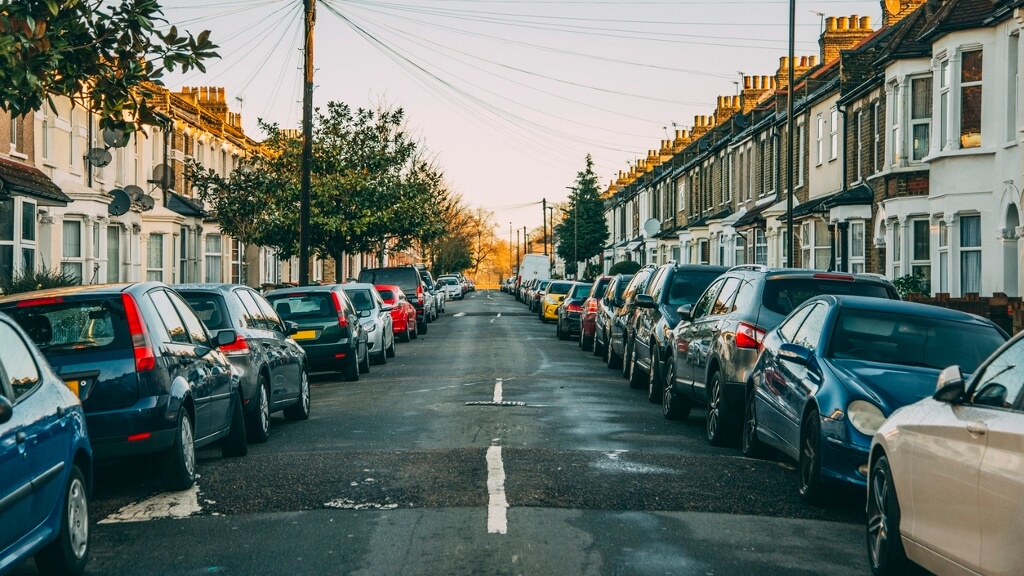
Shopping for a used car can be a smart way to save money and lower your monthly costs compared to buying new, but it also requires careful research to avoid potential pitfalls. Whether you are searching online or visiting a local used car dealer Tampa FL, making informed choices is essential to finding a reliable, well-priced vehicle that suits your needs. While there are many benefits to purchasing pre-owned vehicles, rushed decisions and skipping vital steps may lead to costly regrets down the road.
Taking the time to set a clear budget, research specific models and sellers, and evaluate vehicle condition is crucial for anyone entering the used-car market. This guide breaks down each phase of the process, helping you avoid common mistakes and securely invest in a car you can depend on for years. By following these practical steps, buyers can confidently navigate the process whether buying at a dealership, with a private seller, or through certified programs.
Many buyers in Florida benefit from the wide selection and competitive pricing offered by auto dealers Tampa FL. By understanding how to work with both trusted dealerships and private listings, you’ll be better prepared to spot value and ensure a smooth transaction.
Set a Realistic Budget
Before exploring your options, carefully determine what you can realistically afford. Consider not only the sticker price but also the related costs such as insurance premiums, local taxes, registration fees, and expected maintenance or repairs. Many experts, including Kelley Blue Book, recommend factoring in at least 10 to 15 percent of the total cost for fees and first-year maintenance. Defining a comprehensive budget will help you prioritize your needs and avoid overextending yourself financially.
Research Reliable Models
Certain makes and models consistently offer greater reliability than others. Use reputable resources such as Consumer Reports to analyze reliability ratings, owner reviews, and expected long-term costs. Focusing on vehicles known for their durability will help you avoid models prone to frequent breakdowns or expensive repairs. It’s also useful to check online forums and feedback from local owners who have experience with the models you're interested in.
Obtain a Vehicle History Report
A thorough vehicle history report is your best safeguard against unexpected surprises such as previous accidents, flood damage, odometer rollbacks, and unresolved recalls. Providers like Carfax and Experian offer comprehensive histories that include registered incidents and maintenance records. According to Edmunds, overlooking this step is one of the most common and damaging mistakes that used-car buyers make.
Conduct a Thorough Test Drive
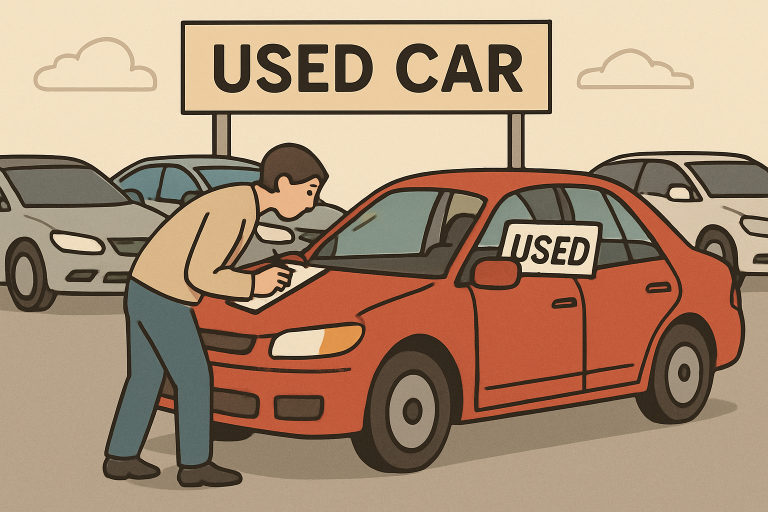
Always insist on seeing the car firsthand before agreeing to a sale. During your test drive, listen closely for unusual rattles, feel how the brakes respond, and test all features, including the headlights, climate control, and infotainment system. Take the car on a route that includes highways, city streets, and different speeds to get a full sense of performance and handling. Sometimes, hidden mechanical issues only become apparent under certain road or weather conditions.
Consider Certified Pre-Owned Options
Certified Pre-Owned (CPO) vehicles undergo detailed inspections and typically include extended warranties, often backed by the manufacturer. A CPO vehicle may cost slightly more than a standard used car, but it offers significantly more protection and less risk. Benefits such as roadside assistance, lower average mileage, and assurance of past maintenance are significant. Guidance from Cars.com highlights how CPO programs can be advantageous, especially for buyers seeking extra peace of mind.
Explore Financing Options
Do not limit yourself to only the dealership’s financing offers. Compare the actual loan terms at local banks, credit unions, and online lenders. Obtaining pre-approval often gives you better negotiating power when settling on a sale price, making it easier to stick to your budget and potentially get a better overall deal.
Verify Seller Credibility
Whether you are buying from a private party or an established dealership, take time to evaluate the seller’s trustworthiness. Look up reviews, check the business’s registration with the Better Business Bureau if possible, and beware of deals that seem unreasonably cheap. The Federal Trade Commission provides essential tips for buyers to avoid fraud and ensure all paperwork is in order before completing a transaction.
Understand Warranty and Return Policies
Know exactly what guarantees or return options apply before you finalize the purchase. Many dealerships offer at least a short-term warranty or a brief return period, while most private-party transactions are strictly “as-is.” Understanding these policies can make a major difference if issues arise shortly after your purchase, providing additional security and recourse.
By focusing on budget, reliability, transparency, and security at every stage, you can confidently navigate the used car market and enjoy true long-term value from your investment. Smart preparation and careful assessment can turn used car shopping from a stressful gamble into a rewarding opportunity for significant savings.
Most read in News
Trending articles on News
Top articles on Minutehack


 Share article via email
How To Make Smart Choices When Shopping For A Used Car
Thanks for signing up to Minutehack alerts.
Brilliant editorials heading your way soon.
Okay, Thanks!