
Property safety plays a significant role in preventing serious injuries. Every year, many people experience injuries on unsafe properties, which are often preventable if the proper measures are taken. If you or someone experienced an injury on someone's property, understanding safety obligations and prevention strategies is essential. Maintaining secure properties not only protects residents and guests but also helps property owners avoid legal issues and costly claims.
Recognizing and rectifying common risks is an important responsibility for property owners. Dangers such as cluttered walkways, damaged surfaces, or poor lighting can turn a home or business into a hazardous environment. By being proactive about safety and maintenance, the risk of catastrophic accidents is significantly reduced. Knowing the potential risks, maintaining high safety standards, and responding effectively to incidents are all crucial aspects of responsible property ownership. And, in today’s world, technology is providing even more tools to help property owners stay ahead of hazards.
Common Hazards in Properties
Unsafe properties often hide hazards that can cause serious harm to occupants or visitors. For example, slippery floors are notorious for contributing to falls, especially in areas prone to spills or moisture. Poor lighting in stairwells or common areas reduces visibility, increasing the likelihood of tripping or missing a step. Structural hazards such as uneven surfaces, broken steps, or loose railings are frequent causes of injuries in residential and commercial settings. Additionally, exposed electrical wiring or unsecured heavy furniture may lead to severe accidents or even fatal injuries.
Many of these dangers are easy to miss until an accident occurs. By conducting regular inspections and paying attention to warning signs, property managers can address potential risks before they escalate. The Centers for Disease Control and Prevention offers guidance on fall prevention strategies within homes and public spaces, emphasizing the importance of hazard identification.
Importance of Regular Maintenance
Routine maintenance is a crucial aspect of property safety. Regular upkeep helps uncover hidden hazards, such as aging electrical systems, loose carpeting, or malfunctioning smoke alarms. Addressing these problems swiftly not only increases safety but also maintains the property’s value and reputation. Fire prevention measures, including accessible fire extinguishers and regularly tested smoke detectors, can drastically reduce the risk of devastating incidents such as house fires.
Property owners must schedule inspections of critical systems such as plumbing, heating, and ventilation. Maintenance logs should be kept up to date, reflecting checked safety features like carbon monoxide detectors and security lighting. Prevention, through diligent maintenance, is one of the most effective ways to keep accidents at bay.
Implementing Safety Measures
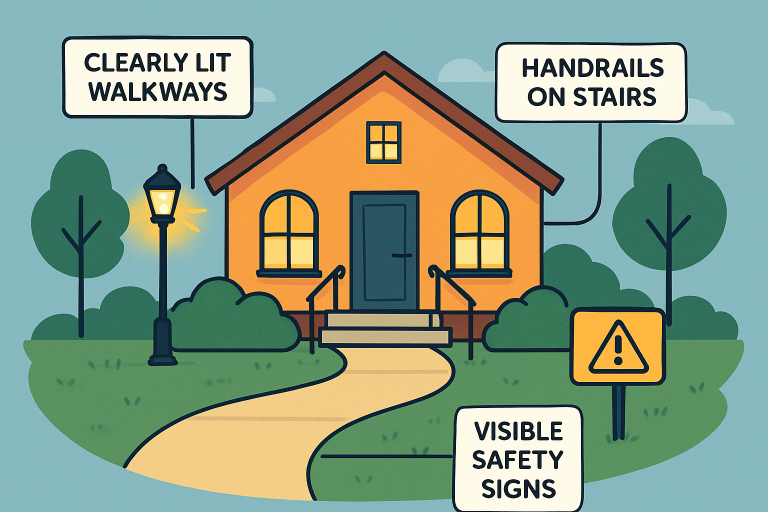
After identifying potential hazards, property owners should take practical steps to improve safety. Installing handrails on all staircases, using non-slip mats in bathrooms and kitchens, and securing loose rugs are straightforward yet highly impactful solutions. Ensuring that all walkways and stairwells are well-lit reduces the risk of trips and falls. Additionally, keeping all pathways clear of personal belongings, equipment, or debris helps to prevent unintentional injuries.
Simple measures such as these not only protect individuals but also demonstrate a commitment to the well-being of everyone who enters the property.
Legal Responsibilities of Property Owners
The law holds property owners responsible for maintaining safe premises for everyone who lawfully enters. This concept, known as premises liability, requires property owners to fix any known dangers promptly and to provide warnings about potential hazards. If someone is injured due to negligence, the property owner may be liable for damages, including medical costs and other expenses.
Regularly assessing a property for hazards, making necessary repairs, and documenting safety checks all contribute to legal compliance and reduce liability risks.
Educating Occupants and Visitors
Prevention strategies are most effective when everyone on the property understands their role in maintaining a safe environment. Providing information about fire exits, emergency contacts, or what to do in case of an accident ensures everyone is prepared for unexpected events. Posting clear signage in hazardous or restricted areas, such as wet floor signs or barriers around ongoing repairs, can prevent unnecessary harm.
Clear communication about rules and safety expectations is an important way to foster a culture of awareness and prevention. Regular training or informational materials can keep occupants and staff engaged and aware of possible dangers in their environment.
Utilizing Technology for Safety
Technology has made it easier than ever to detect and respond to hazards. For instance, augmented reality (AR) can be used for safety inspections and fall hazard identification, especially on construction sites. Real-time monitoring systems allow property managers to receive alerts about issues such as water leaks or unauthorized access, enabling swift responses. Smart home devices, such as motion-activated lighting or advanced security cameras, can prevent accidents and deter criminal activity.
Responding to Incidents Effectively
Even with rigorous prevention strategies, accidents can still happen. A well-developed response plan is essential. The first priority in any incident is providing immediate medical care and ensuring everyone’s safety. Following up with thorough documentation of the event, including when, where, and how it occurred, is important for insurance and legal purposes.
Investigating the root cause helps prevent similar incidents in the future. Communication with all stakeholders, including occupants and relevant authorities, ensures transparency and continuous improvement of safety protocols.
Conclusion
Minimizing serious injuries related to unsafe properties is possible with diligent prevention, regular maintenance, the use of practical safety measures, adherence to legal responsibilities, and effective education. Leveraging technology and developing solid emergency response plans further strengthens the protection offered to all occupants. Property owners who take these steps are better positioned to protect their investment and the well-being of everyone who enters their premises.
Most read in News
Trending articles on News
Top articles on Minutehack


 Share article via email
Preventing Serious Injuries From Unsafe Properties
Thanks for signing up to Minutehack alerts.
Brilliant editorials heading your way soon.
Okay, Thanks!