

Good oral health is not solely about keeping your teeth clean and sparkly; it is also an important part of your body's holistic well-being. The mouth plays a fundamental role as the entrance to your body, so dental health can influence multiple bodily systems and processes. If you regularly neglect your dental hygiene, you may unknowingly expose yourself to broader health complications. To better understand these connections, discover why is dental hygiene important for every stage of life and health needs.
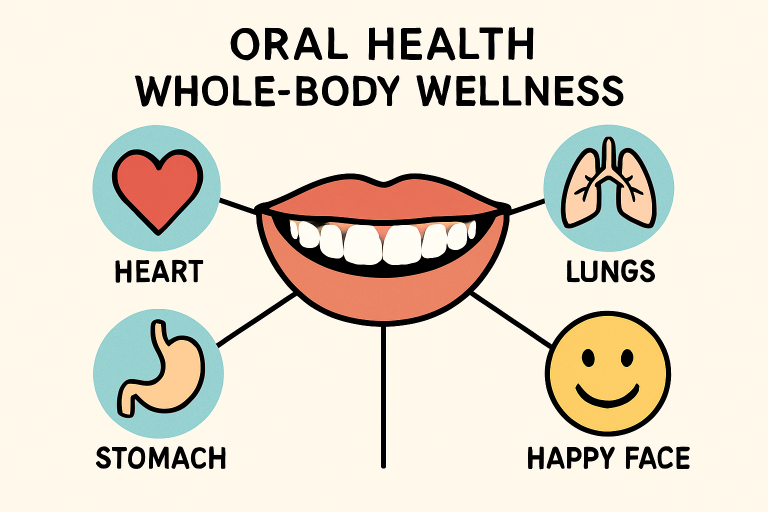
Researchers and health professionals have gathered robust evidence showing that the benefits of a healthy mouth extend well beyond your teeth and gums. Cardiovascular diseases, diabetes, immune health, and even your digestive system can be affected by what's happening in your mouth. Recognizing the mouth-body connection is a vital step toward prioritizing oral care as part of an overall wellness routine.
In addition to disease prevention, strong oral hygiene can improve your self-image and mental health by reducing discomfort, boosting confidence, and ensuring you are ready for social interactions. By integrating daily dental habits and routine check-ups, you not only protect your teeth but also contribute positively to your long-term health.
The ripple effect of oral health can be seen in many aspects of daily life, from how you eat and speak to your risk of serious health conditions. In today’s busy world, adopting simple practices at home significantly reduces the likelihood of complicated and costly medical problems later in life.
Oral Health and Cardiovascular Disease
A growing body of research links poor oral hygiene to cardiovascular conditions. When plaque and tartar build up on your teeth, bacteria can become trapped in your gums and cause inflammation. In severe cases, these bacteria can escape into your bloodstream, increasing the risk of arterial plaque formation. This process may contribute to heart attacks and strokes. Brushing, flossing, and regular dental visits can help keep your gums healthy and reduce the risk of cardiovascular disease.
Oral Health and Diabetes
The relationship between oral health and diabetes is bidirectional, meaning each can affect the other. Poorly controlled diabetes increases blood sugar levels and greatly increases the likelihood of oral infections and gum disease. At the same time, severe gum disease can impact blood glucose control, making diabetes harder to manage. For anyone living with diabetes, diligent oral hygiene, regular dental appointments, and close collaboration with both your dentist and doctor are crucial for maintaining both your oral and overall health.
Oral Health and Respiratory Infections
Harmful bacteria in the mouth can be inhaled into the lungs, potentially causing respiratory infections such as pneumonia or aggravating chronic respiratory conditions. This risk is particularly higher in older adults or those with weakened immune systems. Regular, simple oral hygiene practices such as brushing and dental cleanings can help reduce the likelihood of these serious complications.
Oral Health and Pregnancy
Pregnant people encounter several hormonal changes that make them more susceptible to gum disease. Recent studies suggest a link between periodontal disease and pregnancy complications like premature birth and low birth weight. Expectant parents should prioritize routine dental check-ups and proper oral care throughout pregnancy to help safeguard both their own well-being and that of their developing child.
Oral Health and Digestive Health
Digestion begins in your mouth. The process of chewing breaks down food and activates enzymes that help with nutrient absorption. If your teeth or gums are sensitive, decayed, or infected, you may not chew as effectively, which can reduce how well your body absorbs nutrients and may contribute to stomach and intestinal issues. Keeping your mouth free of plaque and inflammation can benefit your digestive system and overall vitality.
Oral Health and Mental Well-being
Your smile is deeply connected to your confidence and mental health. Dental pain, missing teeth, or chronic bad breath may hinder your ability to eat, speak, and interact socially. These issues can contribute to feelings of shame or self-isolation and even affect your overall mental well-being. Regular oral care habits support a healthy, pain-free mouth and offer both physical and emotional benefits.
Practical Steps to Improve Oral Health
- Brush and Floss Regularly: Use fluoride toothpaste twice daily and floss once daily to remove bacteria and plaque from hard-to-reach areas.
- Eat a Balanced Diet: Focus on nutritious foods such as leafy greens, fruits, dairy, and lean protein. Limit sugary snacks and drinks that can harm your enamel and gums.
- Drink Plenty of Water: Staying hydrated helps rinse away food particles and bacteria, contributing to a healthier mouth.
- Avoid Tobacco: Smoking or chewing tobacco sharply increases your risk for gum disease, oral cancers, and tooth loss.
- Visit the Dentist Regularly: Schedule professional cleanings and check-ups at least twice a year to detect and manage oral health concerns early.
Conclusion
Oral health is about much more than a pretty smile. By making dental hygiene a priority, you are investing in your heart, lungs, digestive system, and emotional well-being. Comprehensive care that combines daily routines with professional guidance can help you enjoy a healthier, more fulfilling life. Make oral health an essential part of your overall wellness strategy, and encourage your loved ones to do the same.
Key Takeaways
- Oral health influences major body systems, including cardiovascular and digestive health.
- Neglected dental care raises the risk of conditions such as heart disease, respiratory infections, and diabetes complications.
- Proactive oral hygiene habits can support whole-body wellness and help prevent costly health issues.
Most read in News
Trending articles on News
Top articles on Minutehack


 Share article via email
How Better Oral Health Boosts Your Whole-Body Wellness
Thanks for signing up to Minutehack alerts.
Brilliant editorials heading your way soon.
Okay, Thanks!