
Key Takeaways
- Building financial resilience means preparing for unexpected events and long-term stability.
- Simple strategies can help boost savings, manage debt, and reduce everyday financial stress.
- Small steps, such as budgeting and seeking reputable resources, play a significant role in financial health.
Why Financial Resilience Matters
Financial resiliency is more crucial than ever, given today’s unpredictable economy. Uncertainty can arise from multiple sources—sudden layoffs, shifts in your industry's landscape, rising grocery costs, or even medical emergencies. Economic volatility, job market fluctuations, and rising living expenses can quickly disrupt your day-to-day routine or long-term plans. In this environment, it is important to proactively assess your financial situation and prepare for potential hardships before they become crises.
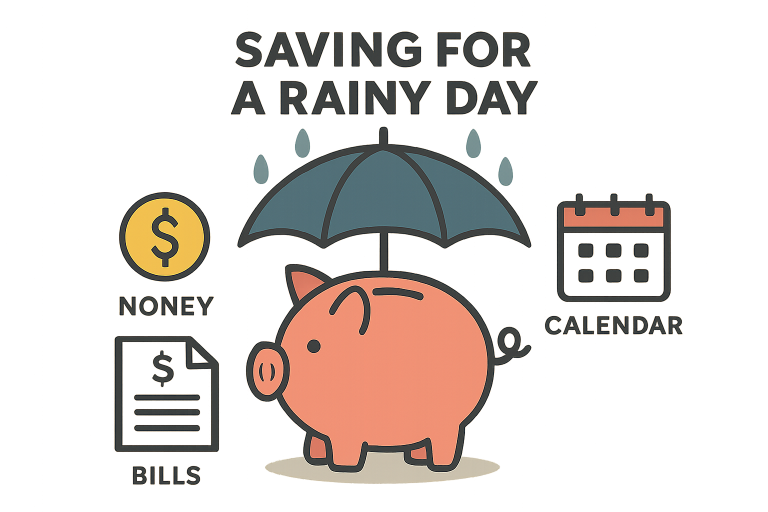
Maintaining resilience means having “rainy day savings" and understanding your borrowing options. For instance, turning to reputable online lending platforms, such as MaxLend loans or lenders, can help offer a short-term financial bridge while you recover from the unexpected. Making informed decisions about loans, credit lines, or other financial products enables you to survive a rough patch without derailing your long-term goals, especially during emergencies when time and options are limited.
Smart Strategies to Tackle Debt
Managing debt responsibly is a core pillar of long-term financial health. Carrying high-interest balances can make it difficult to get ahead, so creating a plan to reduce or pay off what you owe brings peace of mind and frees up money for other goals. Two popular methods include the snowball method—paying off the smallest balance first for quick wins—and the avalanche method, where you prioritize loans or credit cards with the highest interest rates.
- List all debts with balances, rates, and due dates.
- Always pay at least the minimum while directing any extra money to the priority debt.
- Review your interest rates annually to see if refinancing or consolidating is an option.
- Set up autopay or reminders to avoid missed or late payments, which can impact credit and finances.
Developing a sustainable debt repayment plan improves your credit score and alleviates day-to-day financial stress. Each small victory keeps you motivated, and your confidence in your financial future grows as you see progress.
The Power of Budgeting
Budgeting is more about control and awareness than restriction. When you create a budget that divides necessary expenses (like housing, food, and transportation) from discretionary ones (like dining out or entertainment), you bring clarity and intention to your financial life. Methods such as the 50/30/20 rule—allocating 50% of income to needs, 30% to wants, and 20% to savings or debt repayment—provide an easy framework to start. This structure helps you cover your essential expenses while prioritizing savings and limiting overspending. If unexpected costs arise, you can always apply online, MaxLend loan as a short-term option.
How Technology Can Help
Thanks to modern apps and digital tools, personal finance management has never been easier. Mobile banking allows you to check balances and manage payments on the go, while sophisticated apps let you track expenses, set reminders, and visualize your goals in real time. Automated savings features can transfer small amounts from checking to savings without you having to think about it, making it painless to build a cushion. Some tools even round up spare change from your daily purchases, helping you save painlessly with minimal effort.
Financial Wellness and Mental Health
Financial stress often leads to anxiety, sleep disturbances, and other health concerns, making self-care critically important. Even a small amount of day-to-day worry about money can accumulate and disrupt sleep, motivation, and concentration at work or home. Building small, achievable financial habits reduces stress over time and supports emotional well-being.
Final Thoughts
Building financial resilience isn’t about perfection—it’s about preparation, consistency, and making smart choices with the resources you have. By tackling debt strategically, budgeting with purpose, and using technology to stay organized, you create a stable foundation for the future. Caring for your financial health supports your overall well-being, reducing stress and giving you peace of mind. Each small step you take adds up, ensuring you’re better equipped to handle life’s uncertainties while working toward your long-term goals.
Most read in News
Trending articles on News
Top articles on Minutehack


 Share article via email
How To Build Financial Resilience In Uncertain Times
Thanks for signing up to Minutehack alerts.
Brilliant editorials heading your way soon.
Okay, Thanks!