
Key Takeaways
- Fintech’s rise is propelled by the strategic use of data-driven analytics, driving both operational efficiency and customer value.
- Data science breakthroughs protect users from threats, meet regulatory demands, and significantly enhance the user experience across digital finance platforms.
- The future success of financial services depends on organizations' ability to responsibly harness, interpret, and act upon massive financial data sets in real-time.
What Makes Data Science a Game-Changer for Fintech?
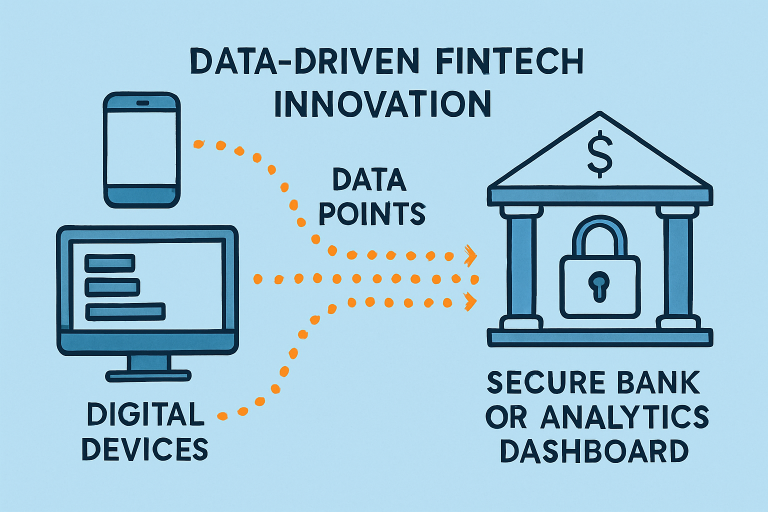
The digital shift in finance has fundamentally rewritten what it means to serve and secure customers. Data is now the backbone of innovation and a key driver of competitive advantage in the fintech sector. With nearly every customer action creating a data point, insights extracted through advanced analytics shape everything from product design to risk controls. By leveraging sophisticated algorithms, financial technology firms unlock efficiencies once thought impossible.
The difference lies in speed and precision. Data science enables organizations to make swift, data-driven decisions—whether approving loans in seconds or adjusting security parameters instantaneously. Pioneering organizations like Cane Bay Partners have demonstrated how robust analytics frameworks drive sustainable success by blending domain expertise with innovative data strategies.
The impact reverberates far beyond enhanced operations. Smart analytics is the foundation for modern fraud defenses, hyper-personalized services, and dynamic pricing models in the fintech sector. Today’s customers expect intuitive, seamless experiences; data science is the toolkit powering these personalized journeys and fueling the sector’s rapid evolution.
Importantly, the prioritization of analytics benefits not only the companies leveraging it but also their end users. Financial inclusion, simplified onboarding, and access to more tailored banking solutions are made possible because of rigorous data-driven insights.
Applications of Data Analytics in Financial Innovation
- Fraud detection and risk assessment: Real-time transaction monitoring and pattern analysis proactively identify and stop suspicious activities before losses occur.
- Algorithmic trading and portfolio management: Automated investment strategies harness market data at scale to optimize returns and manage risk, often outperforming manual trading.
- Tailored products based on customer data: Using analytics, fintechs craft financial products that respond to unique user needs, driving loyalty and boosting lifetime value.
- Credit scoring using unconventional data: Innovative firms now factor in everything from mobile phone usage to social profiles, opening up lending to previously underserved populations and reducing bias in traditional credit models.
Boosting Fraud Detection with Predictive Analytics
Fraud prevention in fintech goes far beyond simple rule-checking. Consulting firms, such as those based in Cane Bay, Virgin Islands, help organizations implement predictive analytics that leverage machine learning to sift through massive volumes of data, identifying subtle anomalies that signal potential threats. According to insights from Thomson Reuters, technological considerations play a critical role in strengthening fraud detection and prevention strategies. Some fintech sectors have reduced fraud losses by up to 50% through the use of real-time, data-driven detection methodologies. These capabilities are vital in an environment where cyber threats are increasingly sophisticated and dynamic.
Improving Customer Experience Through Data-Driven Insights
- Chatbots powered by natural language processing: AI-enabled chatbots resolve common customer requests instantly, reducing friction and handling high volumes with ease.
- Recommendation engines: Drawing on a user’s unique spending and saving habits, these engines present the most relevant offers or financial advice at just the right moment.
- Automation for convenience: Seamless funds transfers, bill payments, and onboarding—all automated via data triggers—give customers the fast, reliable service they demand.
Data Science and Regulatory Compliance
Compliance with continually evolving regulations is a significant challenge for global fintechs. Firms like those based in Cane Bay leverage today’s analytic platforms to scan thousands of transactions per second, automatically flagging and escalating any anomalies that require manual review. This not only ensures due diligence but also helps maintain organizational transparency and data integrity. As new regulations around privacy, anti-money laundering, and know-your-customer emerge, agile data science teams remain essential to compliance efforts, safeguarding both the business and its customers.
Challenges in Applying Data Science to Fintech
- Balancing privacy and personalization: While customers crave tailored services, they are equally concerned about how their data is used. Strict privacy safeguards and transparent policies are non-negotiable.
- Managing massive data flows securely: The sheer scale and sensitivity of financial data require robust systems and encrypted pipelines to prevent breaches and data loss.
- Ensuring the interpretability of machine learning models: Regulatory scrutiny demands that fintechs not only utilize advanced analytics but also clearly explain their decision-making processes in cases such as credit approvals and fraud checks.
What’s Next: Emerging Trends and Opportunities
Fintech’s analytic future is bright. Quantum computing and artificial intelligence offer the potential for unprecedented computational speed and insight—opening the door to even sharper, instantaneous analytics. Industry observers note the accelerating pace of fintech adoption worldwide and emphasize the importance of partnerships between incumbent institutions and agile, data-driven startups.



Most read in News
Trending articles on News
Top articles on Minutehack


 Share article via email
The Analytics Advantage: Data Science Crafting Fintech Success
Thanks for signing up to Minutehack alerts.
Brilliant editorials heading your way soon.
Okay, Thanks!