
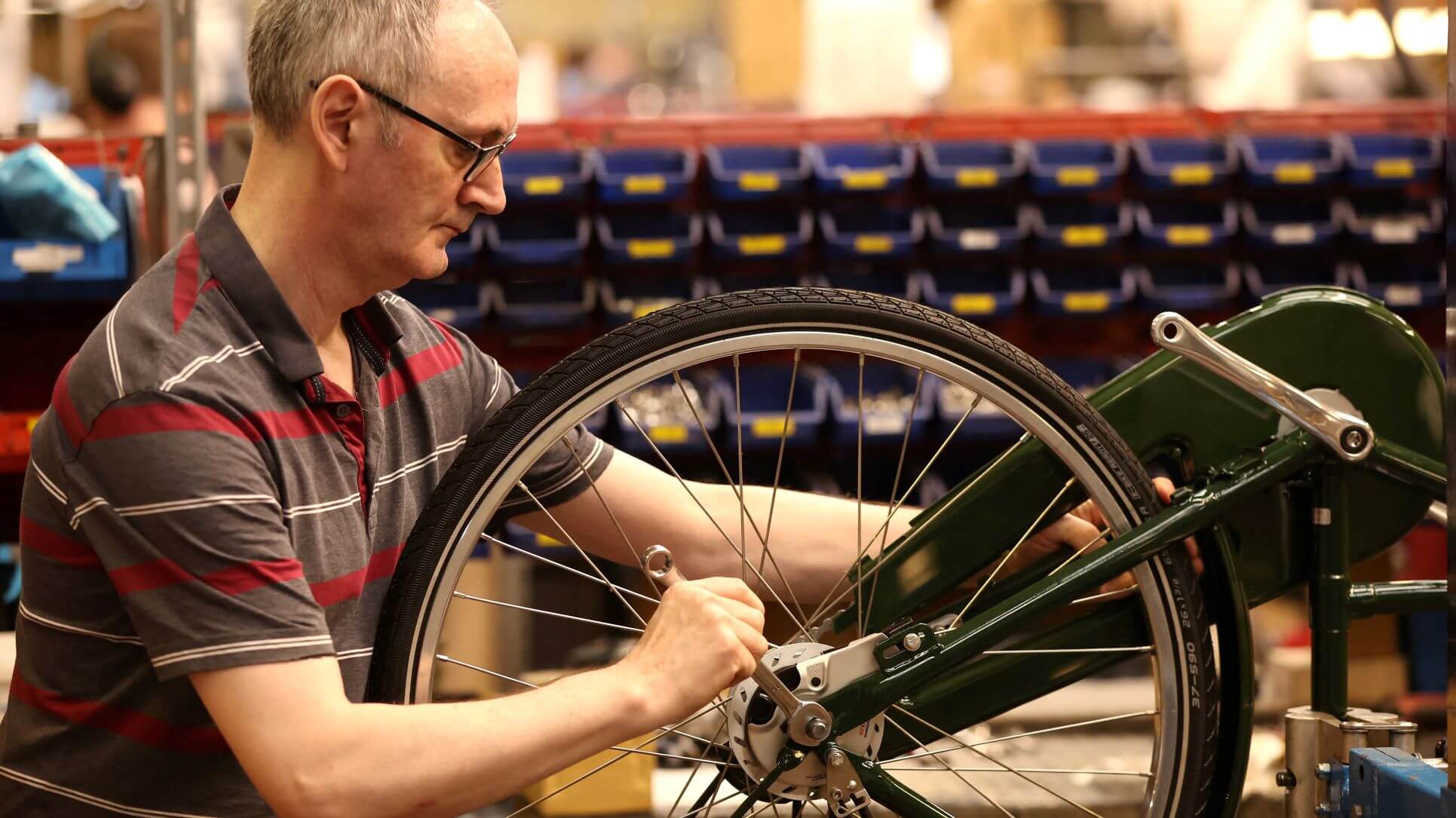
With recent initiatives there is a push to become more sustainable and british manufacturers are one of the industries proving that environmental responsibility and efficient operations can actually work hand in hand.
With the UK having a 2050 net-zero target, industrial facilities are being forced to embrace technologies and sustainable practices that will lower their carbon footprint and obviously the aim it to do so whilst also maintaining productivity levels.
Clean Energy Integration in Industrial Facilities
UK manufacturers are rapidly shifting towards renewable energy sources to power their operations. Recent statistics show that renewables now account for 42.3% of the UK's overall energy production, with wind energy contributing nearly 30% of this figure. Many industrial facilities are also investing in solar installations or partnering with green energy suppliers, signing onto long-term contracts showing their dedication to ‘going green’. Adapting this way means they can and will reduce their carbon emissions and while also receiving greater energy price stability when you compare it to the nature of fossil fuel costs.
Energy Efficiency and Smart Tech Upgrades
Many businesses are also using smart technology to change the way they approach energy consumption. For example, deploying programmes that are intelligent lighting systems, waste heat recovery units, and AI-driven automation to optimise energy use. These upgrades are said to deliver 15-25% reductions in energy consumption whilst also improving production efficiency. Most advanced monitoring systems will also allow for real-time tracking of energy usage across different production lines or areas, which then allows managers not only to identify but also to eliminate wasteful practices even more and to do so quickly.
Waste Reduction and Circular Manufacturing
This shift towards circular economy principles has changed manufacturing processes across the UK. You may have noticed many of the larger companies are redesigning products, often this is done for easier disassembly and recycling, or they implement closed-loop systems that reuse materials, and minimise waste generation throughout production. This reduces the raw material costs whilst simultaneously hitting the goal of decreasing environmental impact, creating a positive scenario for both profitability and sustainability.
Sustainable Supply Chain Management
Another way to increase a company's sustainability and reduce environmental impact is by manufacturers restructuring their supply chains to prioritise local suppliers and low-impact logistics. This will not only lower the transportation emissions but also support local economies and simultaneously improve supply chain resilience. Some companies are going a step further and are also increasing transparency requirements for their suppliers, to make sure that environmental standards are maintained every step of the way.
Air Pollution and Emissions Control
Another area of focus is emissions control; UK manufacturers are increasingly investing in advanced air pollution control systems to meet environmental regulations whilst maintaining their operational efficiency. These systems will capture and treat industrial emissions before they enter the atmosphere, therefore quickly reducing the environmental impact of any manufacturing processes. Some modern filtration and scrubbing technologies can actually achieve removal efficiencies of over 99% for many pollutants.
Government Support and Green Innovation Grants
While there are many ways to do so, increasing a company's efforts to be green doesn’t come cheap, which is why the UK government's Industrial Energy Transformation Fund (IETF) has committed £163 million to support industrial decarbonisation projects, providing important financial backing for manufacturers investing in energy efficiency and low-carbon technologies. Grants are used to help offset the initial costs of the updates, making sustainable investments more accessible to businesses of all sizes. The funding supports everything from simple studies to full-scale installation and set up of clean technologies.
Success Stories from UK Manufacturing Leaders
Many companies have not only made the initial efforts but are setting industry standards. Companies such as Rolls-Royce, which is developing sustainable aviation fuels, or another is JCB, who continue pioneering hydrogen-powered construction machinery. Unilever has committed to net-zero operations across its UK facilities, showing that any-sized business, even large-scale manufacturers, can achieve ambitious environmental targets, and do this without compromising any of the business performance. These industry leaders are proving that green manufacturing can be done not only without compromising performance but can also increase your competitive advantage in a more environmentally conscious market.
The transformation of UK manufacturing shows that going green will actually improve instead of hindering business success. Through using techniques mentioned above like funding, strategic investments in things such as smart technology, and efficient processes, British manufacturers are building a sustainable industrial future that delivers both environmental benefits and economic growth.
Most read in News
Trending articles on News
Top articles on Minutehack


 Share article via email
How UK Manufacturing Is Going Green Without Slowing Down
Thanks for signing up to Minutehack alerts.
Brilliant editorials heading your way soon.
Okay, Thanks!