
Economy
UK Business Confidence Fragile As Labour And Energy Costs Mount, Survey Finds
Firms warn costs rising despite modest recovery signs
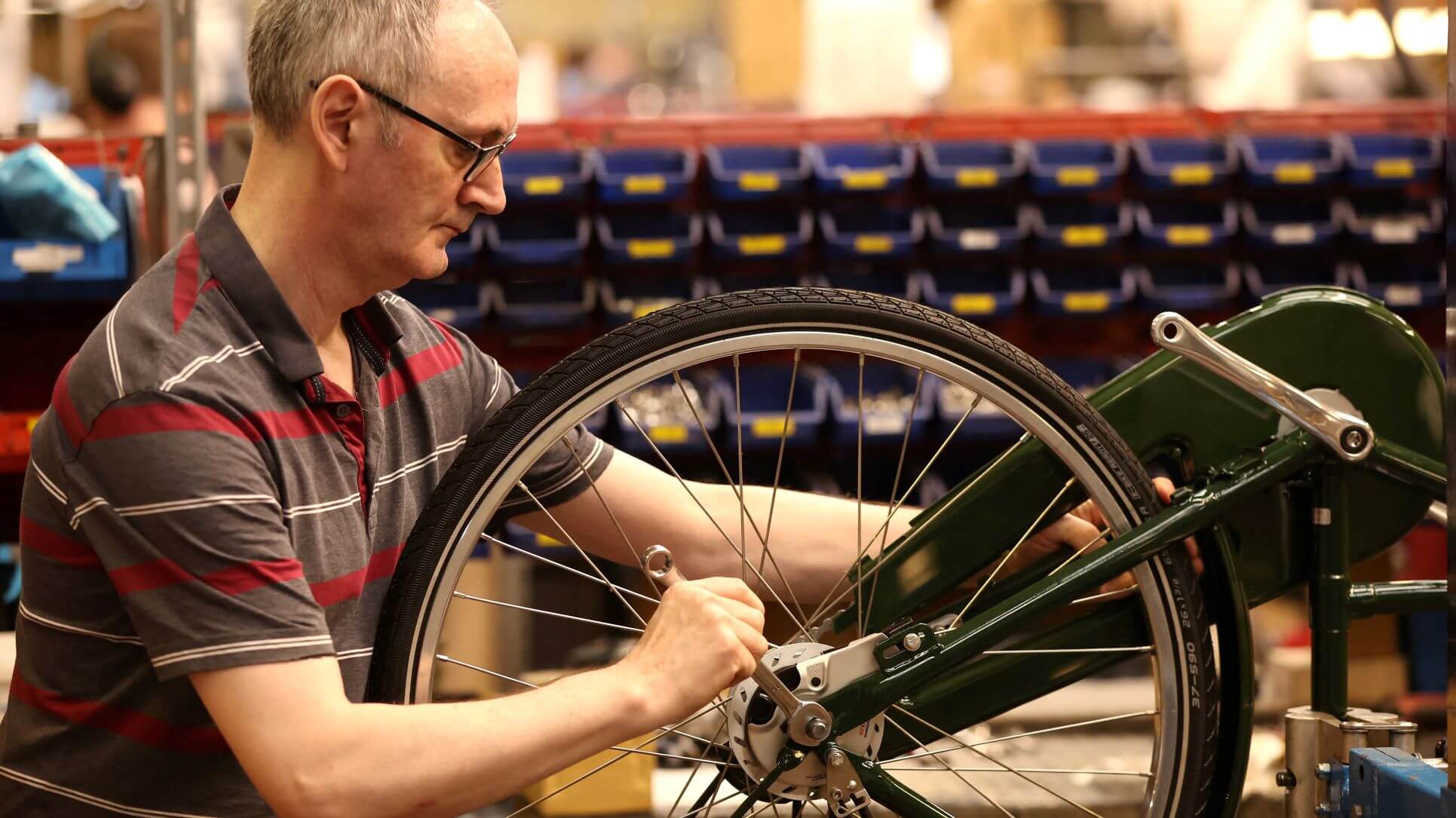
Confidence among UK businesses remained fragile at the start of 2026 despite tentative signs of recovery, with labour and energy costs continuing to weigh on firms, according to the latest Quarterly Economic Survey from the British Chambers of Commerce (BCC).
The survey, based on responses from more than 4,500 businesses — 91% of them SMEs — found that 49% expected turnover to improve over the next 12 months, up slightly from 46% in the previous quarter. However, 31% anticipated no change and 20% expected a decline, highlighting the cautious outlook among companies even before the escalation of conflict involving Iran and subsequent energy market volatility.
Cost pressures remain acute. Labour costs were cited by 73% of respondents as a concern, unchanged from the previous quarter and far exceeding other factors. The pressure was particularly pronounced in hospitality, where 85% of firms reported labour costs as a challenge, followed by transport and logistics at 84% and manufacturing at 78%.
Energy and utilities were the second-largest pressure, cited by 52% of businesses before the latest energy price shocks. The impact was most significant in hospitality, where three-quarters of firms reported utilities as a concern, and in manufacturing, where 60% did so.
Tax remained the biggest overall concern, although the proportion of firms citing it fell to 54% from 63% in the previous quarter. Half of respondents said inflation remained a worry. Meanwhile, concern over business rates rose to 41%, the highest level since 2017, ahead of revaluation changes.
Investment intentions remained subdued, with capital spending stuck in negative territory for a sixth consecutive quarter. Almost a quarter of firms said they had cut back investment plans, while 56% left plans unchanged and 21% increased spending. Hospitality and retail reported the sharpest pullback, with roughly a third of firms in each sector scaling back investment.
Sales indicators improved modestly following the Autumn Budget, with 32% of businesses reporting increased domestic sales, up from 29% previously. However, 26% reported a decline and 42% saw no change, suggesting demand remains uneven across sectors.
Price expectations also stayed elevated. Nearly half of firms said they expected to raise prices in the coming quarter, while only 3% anticipated cutting them.
Free-text responses highlighted concerns about the potential impact of Middle East tensions on inflation and energy costs, alongside domestic pressures such as minimum wage increases and employment legislation. Businesses warned that further rises in fuel and utilities could damp demand and add to existing cost burdens.


Most read in News
Trending articles on News
Top articles on Minutehack


 Share article via email
UK Business Confidence Fragile As Labour And Energy Costs Mount, Survey Finds
Thanks for signing up to Minutehack alerts.
Brilliant editorials heading your way soon.
Okay, Thanks!