
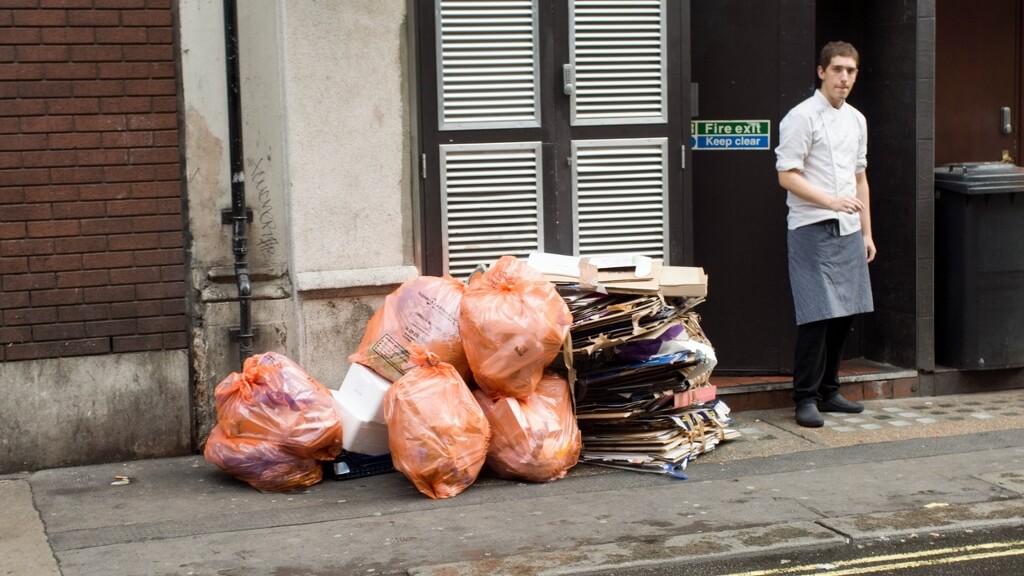
Waste management refers to the system used to collect, transport, process, recycle, and dispose of waste materials in a way that protects both the environment and public health. Its primary goal is to minimise the negative impact of waste on air, water, and soil while promoting responsible resource use.
The process includes several key stages: waste is first collected from households, businesses, and industrial sites, then transported to treatment facilities. At these facilities, waste is either recycled, treated, or sent to disposal sites like landfills or incinerators. A growing emphasis on material recovery and circular economy practices means more waste is now diverted from landfills than ever before.
Businesses in particular can benefit from adopting effective waste management strategies, which can reduce costs, ensure legal compliance, and improve sustainability efforts. Waste management is closely regulated by environmental authorities.
In the UK, the Environment Agency oversees compliance, ensuring waste handlers follow the legal obligations for storage, transport, and disposal. These laws are designed to promote sustainability and reduce environmental harm.
What Are the Types of Waste and Processing Methods?
What Are the Common Waste Types?
Waste isn’t all the same — different categories require different handling methods due to their composition and potential risk to people or the environment. In general, the most common waste types include:
- Hazardous waste: chemicals, batteries, solvents, or medical waste
- Organic waste: food scraps, green waste, and other biodegradable materials
- Non-hazardous waste: general household or commercial waste not considered dangerous
- Municipal waste: mixed domestic and public waste managed by local authorities
- Industrial waste: by-products from factories, construction sites, and manufacturing
Each type demands specific disposal or treatment techniques. For example, hazardous materials must be handled under licensed control, while organic waste can often be composted. Effective processing depends on correct categorisation at the point of disposal.
What Are the Key Waste Processing Methods?
Once sorted, waste undergoes treatment using different methods, depending on its type, volume, and environmental risk. The five main processing methods are:
- Landfilling: the most common disposal route but contributes to methane emissions
- Incineration: used for hazardous and municipal waste; may include energy recovery
- Composting: suitable for organic materials; converts waste into usable compost
- Recycling: materials like plastic, glass, and paper are reprocessed into new products
- Energy recovery: converts waste into electricity or heat, often via incineration or gasification
Each method carries different environmental implications. Landfills, for example, are regulated under strict environmental controls to manage leachate and gases, while incinerators must comply with emission standards under UK law. Understanding these processes highlights why segregation is such an essential part of the system.
Why Is Waste Segregation Important?
Why Waste Segregation is Important | Waste Management | The Planet Voice
What Is Source Segregation?
Source segregation means sorting waste where it's produced — in homes, offices, schools, or construction sites. By separating materials like glass, plastic, organic waste, and general rubbish at the source, we significantly improve the efficiency of recycling and reduce contamination.
When waste is mixed, it becomes harder to process and more expensive to sort later. Segregated waste, on the other hand, allows treatment facilities to maximise recovery rates and reduce what goes to landfill. For example, dry recyclables like paper and metal can’t be reused if they’ve been contaminated with food waste.
How Does Public Participation Improve Waste Outcomes?
Waste segregation only works if individuals actively participate. Public awareness and behaviour are key drivers of success in recycling and composting schemes. Governments and councils invest in educational campaigns to help people understand what goes in which bin, and how to avoid contamination.
Successful initiatives include:
- Clear bin labelling and colour coding
- School and community education programs
- Incentives and penalties to encourage proper sorting
What Are Sustainable Waste Management Practices?
What Is the 5 Rs Framework?
Sustainable waste management is guided by a hierarchy known as the 5 Rs. Each step reduces the volume of waste sent to landfill and promotes a more circular use of resources:
- Refuse: say no to unnecessary packaging and disposable items
- Reduce: cut back on consumption and waste generation
- Reuse: give items a second life before discarding
- Repurpose: adapt items for a new function
- Recycle: process used materials into new products
By following this sequence, individuals and businesses can cut emissions, conserve raw materials, and lower waste treatment costs.
What Role Do Infrastructure and Innovation Play?
To make sustainable waste management viable, investment in infrastructure and technology is essential. This includes:
- Materials Recovery Facilities (MRFs) to sort recyclable waste
- Composting plants and anaerobic digesters for food and organic waste
- Smart bins with fill sensors to optimise collection routes
- Waste tracking systems that monitor volumes and types of waste
Innovations like AI-based sorting, digital waste reporting, and energy-from-waste technologies are helping cities transition to a circular economy model, where waste becomes a resource, not a liability.
How Does Waste Management Apply to Business and Construction?
What Is Business Waste Compliance?
All UK businesses must comply with legal obligations when disposing of waste. Business waste, also called commercial or trade waste, must be stored, transported, and disposed of by registered carriers under a strict duty of care.
Key responsibilities include:
- Separating recyclable and hazardous materials
- Storing waste securely to avoid spills or contamination
- Using licensed waste carriers
- Keeping records, such as Waste Transfer Notes (WTNs)
Failure to comply with these rules can result in fines, prosecutions, and reputational damage. For many organisations, compliance forms part of a wider operational upkeep plan, where waste handling is managed alongside basic maintenance management to keep facilities safe, efficient, and fully operational.
What Is Construction Site Waste Management?
Construction projects generate large volumes of waste, much of which is recyclable if managed properly. A Site Waste Management Plan (SWMP) helps ensure that waste is handled legally and sustainably.
Best practices include:
- Segregating materials like concrete, metal, and wood
- Reusing offcuts and surplus materials on-site
- Placing skips strategically to reduce vehicle movement
- Safely handling hazardous materials like asbestos
A strong SWMP not only improves environmental outcomes but also helps projects meet BREEAM sustainability ratings and reduce disposal costs.
What Is the Role of Software in Modern Waste Management?
Software is playing a bigger role in improving the efficiency, traceability, and sustainability of waste management. Tools like commercial waste tracking software help local councils, private firms, and large sites monitor waste in real time, ensuring full compliance and better decision-making.
Common features in waste management software include:
- Route optimisation for waste collection vehicles
- Live tracking of bins and containers
- Compliance documentation and audit trails
- Data analytics to identify inefficiencies or rising waste volumes
For example, a logistics company might use software to analyse waste production by location, while a local authority could track recycling rates across neighbourhoods to inform public campaigns.
Who Is Responsible for Managing Waste?
Who Are the Key Stakeholders?
Waste management is a shared responsibility, involving several actors across the public and private sectors:
- Local councils: collect household waste and promote recycling
- Government bodies: set regulations and strategic targets
- Private waste contractors: manage transport, treatment, and disposal
- Businesses: comply with duty-of-care regulations for their own waste
- Citizens: participate through proper sorting and disposal habits
These stakeholders must coordinate effectively to ensure the system works efficiently and legally.
What Are the Legal and Regulatory Oversight Requirements?
The UK waste management system is governed by several laws and regulations, including:
- Environmental Protection Act 1990
- Waste Framework Directive (EU retained)
- Control of Waste (Duty of Care) Regulations 2011
Enforcement falls to the Environment Agency, local councils, and health and safety authorities. These bodies carry out inspections, issue permits, and fine companies or individuals for non-compliance.
Waste sites must also meet strict licensing conditions, especially when handling hazardous materials or operating energy-from-waste plants.
Most read in News
Trending articles on News
Top articles on Minutehack


 Share article via email
What Is Waste Management?
Thanks for signing up to Minutehack alerts.
Brilliant editorials heading your way soon.
Okay, Thanks!